This report assesses the impact of the livelihood restoration microcredit provided to the affected households after the earthquake in Nepal in April 2015. The assessment found that access to finance after a disaster has a critical positive impact on the affected households’ recovery. The report also provides recommendations on how MFIs can play a role in supporting rural communities’ disaster risk mitigation and preparedness efforts.
This Annual Report highlights the progress and results achieved during FY18. It provides an overview of grant making activities in six regions and across GFDRR’s eight targeted areas of engagement, and a section of Special Features explores various areas
Global Facility for Disaster Reduction and Recovery, the (GFDRR)
This paper discusses the opportunity to build government capacity to make use of various new financing instruments, such as reserve funds, contingent lines of credit, and insurance programs, for post-disaster recovery and reconstruction. By preparing
World Bank, the
Global Facility for Disaster Reduction and Recovery, the (GFDRR)
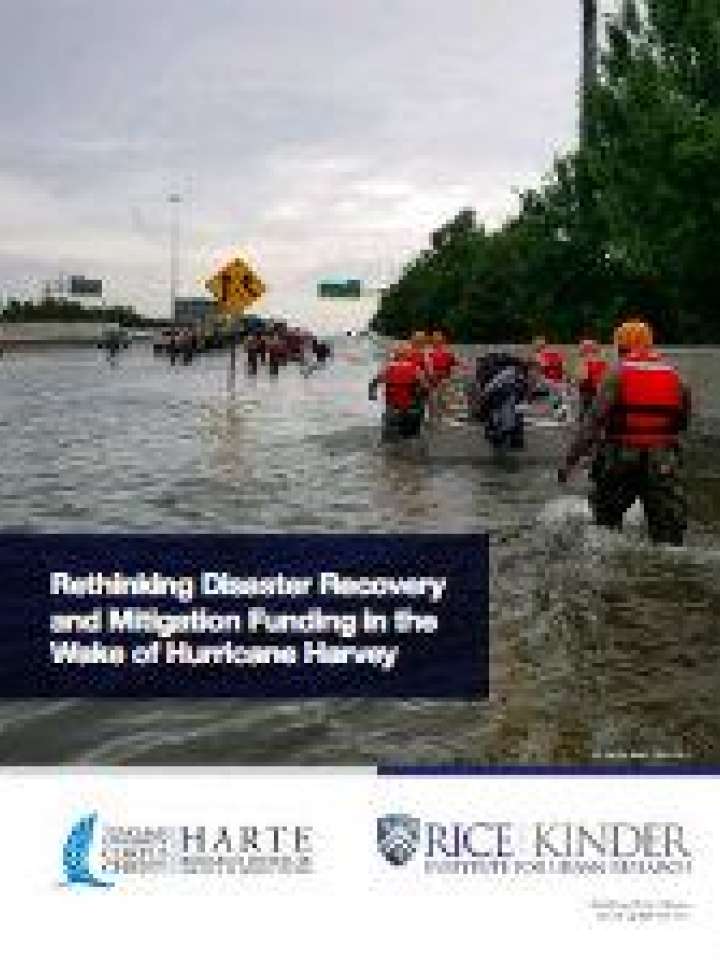
This research brief provides context about how the recovery process is unfolding in the Hurricane Harvey-affected region and how the area can prevent a similar situation from happening again. It examines how localities, states and the nation approach
This document describes the terms and conditions of a project that will support the efforts of the Government of Tonga to reconstruct and climate and disaster-proof the Nuku’alofa electricity network damaged by Tropical Cyclone Gita in February 2018.
This paper presents, explores, and tests a conceptual framework for analysing the trade-offs that underpin this relationship as evidenced through policy goals, initiatives, and decision-making processes.
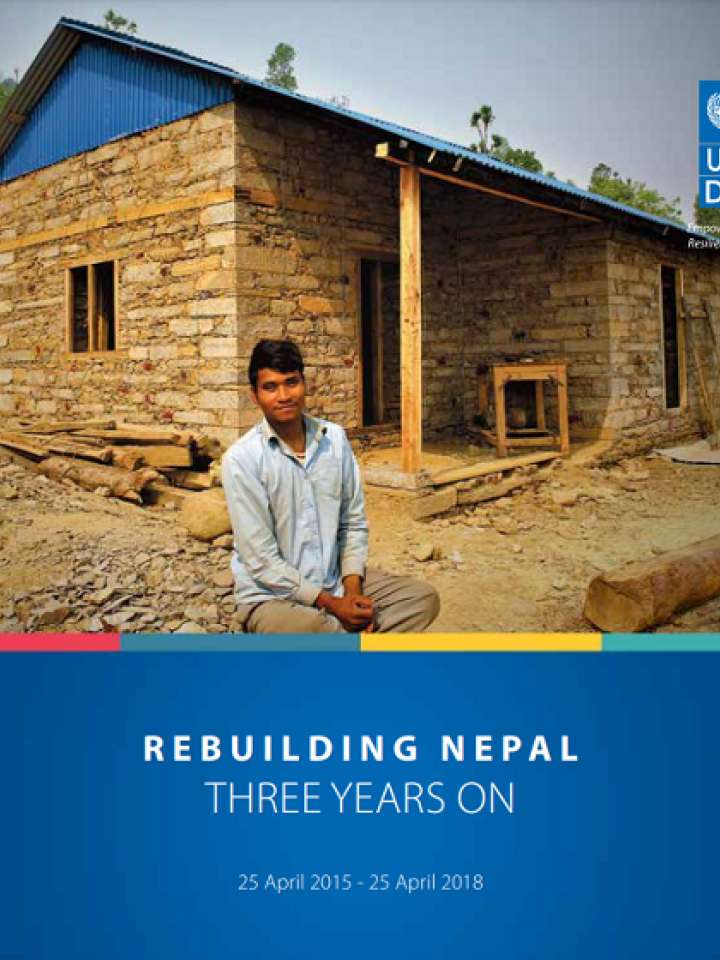
This booklet captures the key efforts undertaken and results achieved over the past three years by UNDP in line with the vision articulated in its Strategy for Earthquake Recovery Assistance for recovery from the 2015 Gorkha Earthquake in Nepal.
This paper aims to study whether natural disasters in the Philippines trigger subsequent economic growth or other socioeconomic or technological improvements.
This book provides an overview of the progress made in disaster risk management (DRM) in the ten years to 2017, highlighting the achievements of particular countries such as Indonesia, Turkey, India, Bangladesh, Mexico, Nepal and Ethiopia. Each chapter
Global Facility for Disaster Reduction and Recovery, the (GFDRR)
This paper describes aspects of planning long-term recovery using risk ownership and how it supports resilience building and recovery outcomes for the longer-term.
Australian Institute for Disaster Resilience (AIDR)