This guidance highlights key environmental issues throughout the recovery and reconstruction process and is designed for humanitarian agencies, government officials, and community groups involved in supporting affected populations for recovery and longer-term reconstruction.
World Wildlife Fund Environment and Disaster Management
This guide outlines ways in which adverse environmental impacts can be avoided after disasters, and good practices can be promoted. It covers sectors including settlements and land use planning; building construction; waste management; energy; infrastructure; water, sanitation and hygiene; agriculture and livelihoods; and education. It highlights the importance of flood risk management, landslide prevention and treatment, and management of forests after disasters.
This report of a Post-Incident Assessment provides a review of the Government of Alberta’s support to stakeholders, emergency social services, and community evacuations during the May 2016 Wood Buffalo Wildfire and its aftermath.
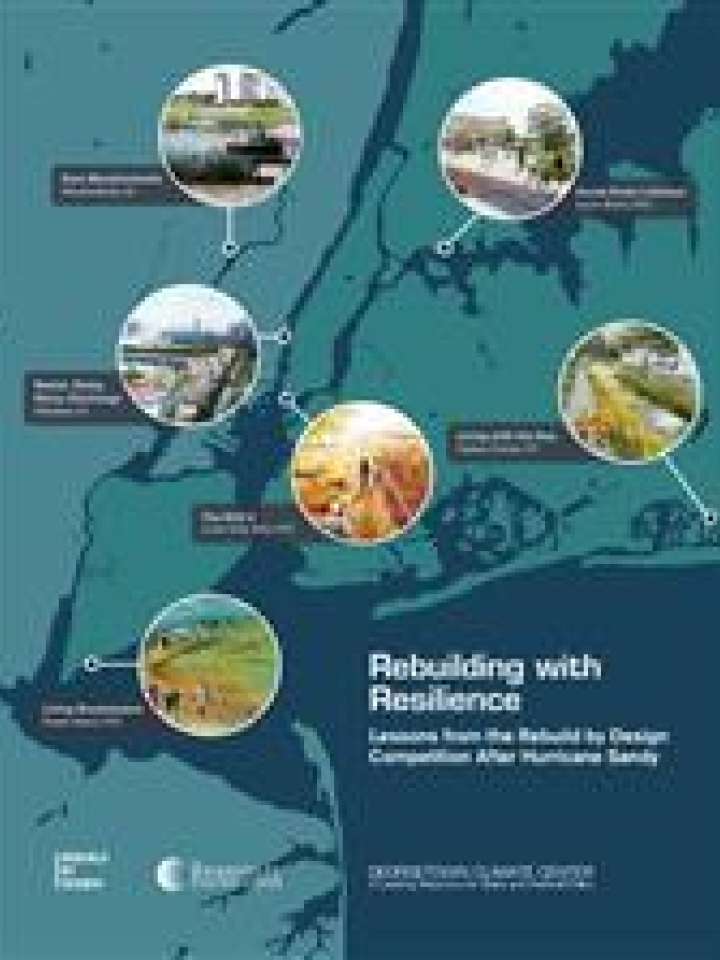
This study presents analysis of the six winning Hurricane Sandy Design Competition projects selected to demonstrate innovative approaches for rebuilding communities affected by Hurricane Sandy in ways that will enhance physical, social, economic, and
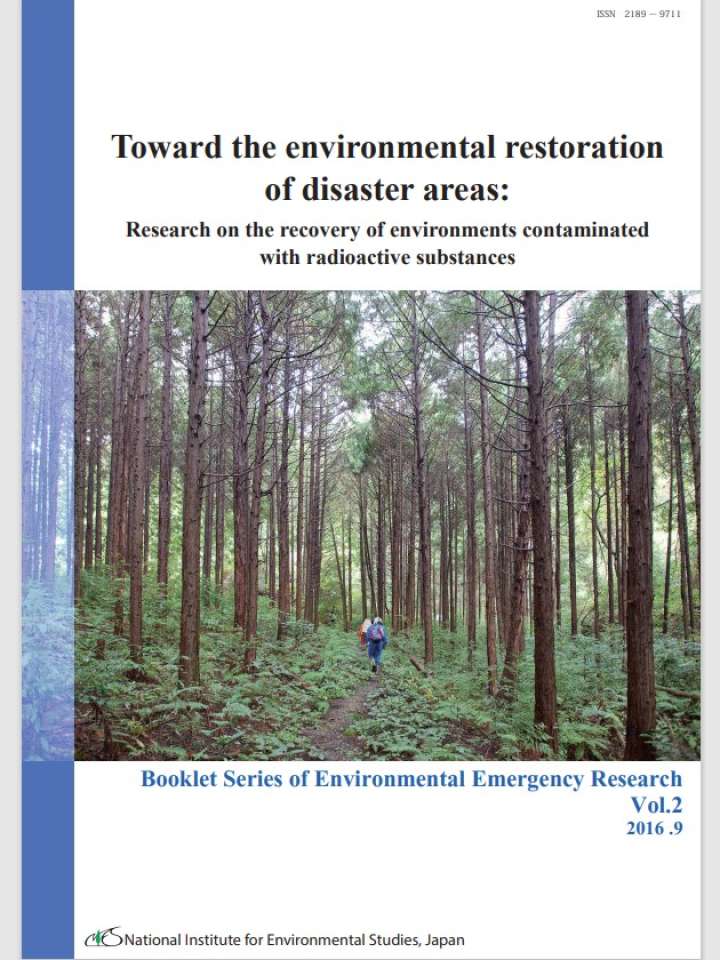
This publication introduces NIES' research on recovery efforts following the GEJE of environments contaminated with radioactive substances, as well as plans for further research in this area.
National Institute for Environmental Studies (NIES)-Japan
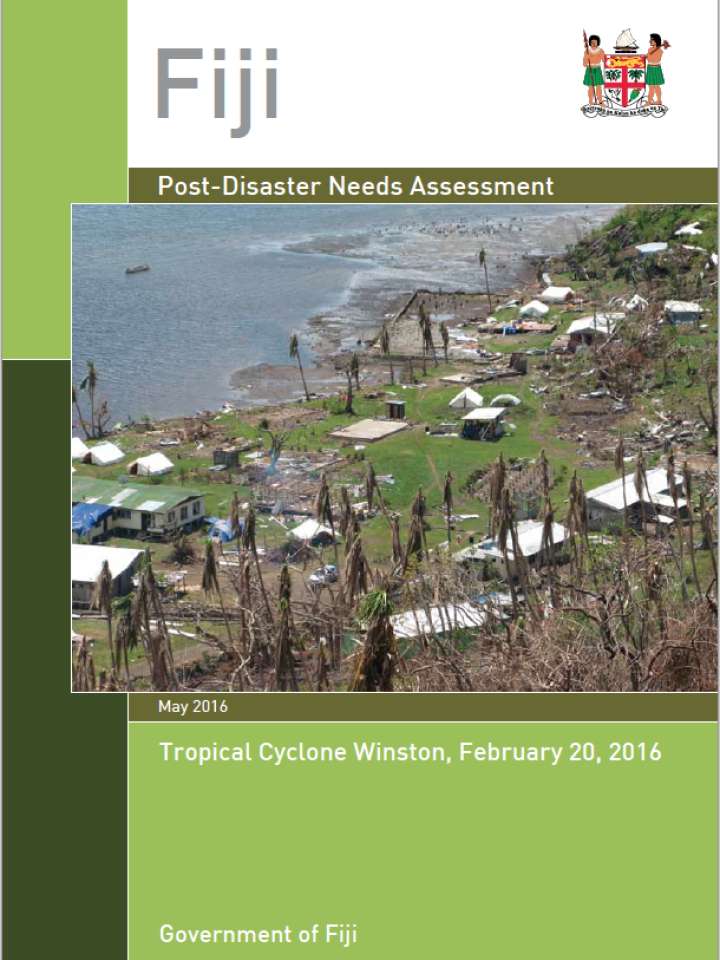
This PDNA covers the damage and losses across various sectors following Tropical Cyclone Winston that struck Fiji in 2016. A summary of recovery, reconstruction, and resilience needs are included in the report.
Fiji - government
Global Facility for Disaster Reduction and Recovery, the (GFDRR)
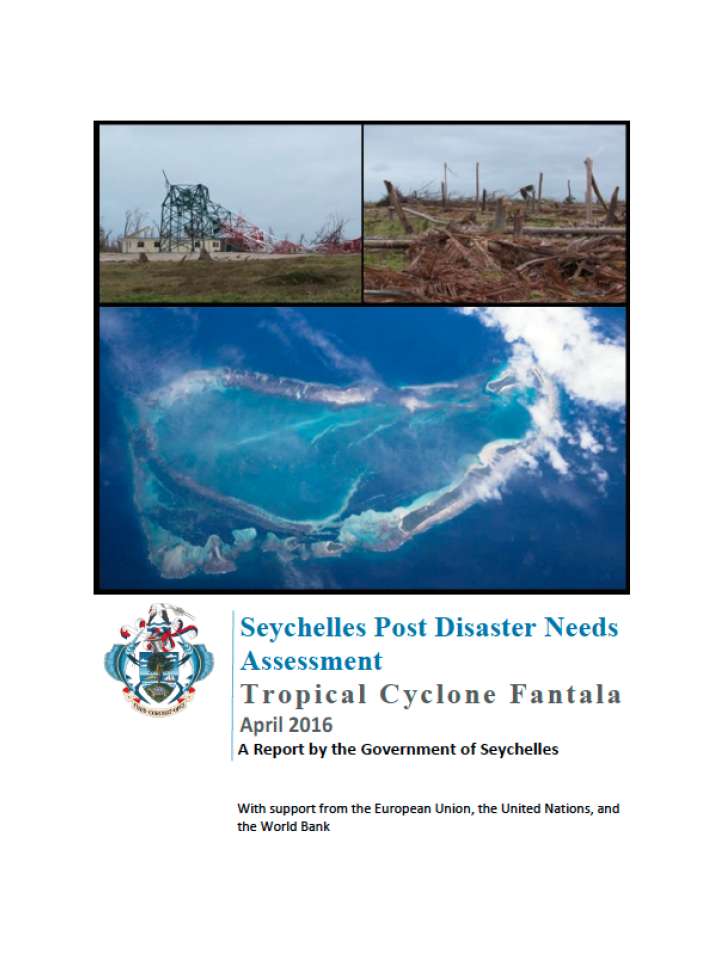
This PDNA provides a comprehensive assessment of the impact of Tropical Cyclone Fantala, which hit the Seychelles’ Outer Islands in 2016. A recovery strategy, which functions as an outline for a country-led recovery process, is included in this report.
Seychelles - government
Global Facility for Disaster Reduction and Recovery, the (GFDRR)
This plan was prepared in the aftermath of the Oct 26, 2015 earthquake which caused human losses and extensive damages to public infrastructure, houses and other buildings in various areas of the Khyber Pakhtunkhwa province in Pakistan.
The document contains a detailed damage assessment and lists priority interventions in areas of rehabilitation of physical infrastructure, housing, reactivation of local economy, and disaster risk reduction and environment recovery strategies. The plan also proposes management mechanisms for recovery and reconstruction.
This final report presents the outcomes of the Making Cities Resilient New Orleans-Gothenburg exchange. The exchange was part of the United Nation's Making Cities Resilient campaign and concerned with disaster resilience with particular focus on high
This report provides a description of the accident and its causes, evolution and consequences, based on the evaluation of data and information from a large number of sources available at the time of writing. It consists of a report by the IAEA Director