This document presents the functioning of Haiti’s government agencies responsible for disaster risk management and recovery. It describes the planning process and measures to be taken related to logistics, environment protection, security, evacuation, fire fighting, health services, reconstruction and rehabilitation.
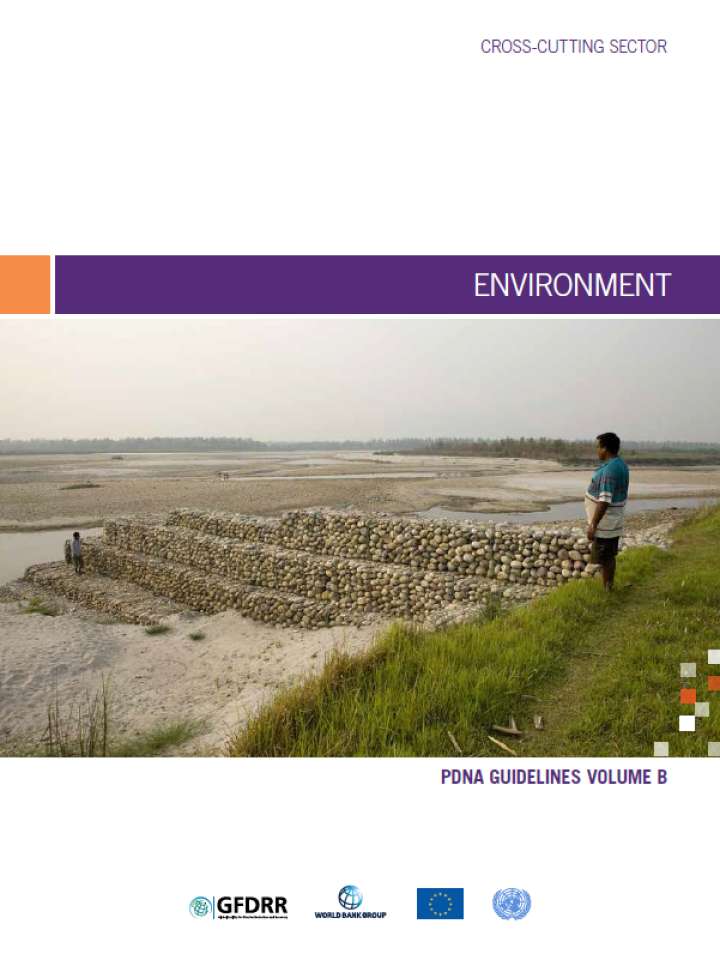
The main objective of PDNA–Environment is to prepare a recovery strategy that guides the restoration of environment and natural resources damaged due to a disaster.
United Nations Development Programme (UNDP)
Global Facility for Disaster Reduction and Recovery, the (GFDRR)
This paper reviews the causes of the "positive but limited impact" of the Hyogo Framework for Action 2005-2015 (HFA), as per BOND Disaster Risk Reduction Working Group, namely: its duration, lack of “ownership” outside the humanitarian sector, the lack of
The Plan prepared by the National Emergency Commission and the Dominican Civil Defense has its origin in Law 147-02 and the National Risk Management Plan and the National Plan for the Reduction of Seismic Risk.
This paper builds on the hypothesis that a successful post-2015 framework for disaster risk reduction (DRR) needs to better address underlying risk factors over a long timeframe and engage directly more pertinent actors such as local government leaders and the private sector. The paper explores the possible priority issues (the "substance") that should be highlighted in the post-2015 framework for DRR, setting the parameters for who (the "actors") and how (the "form") the substance should be included and the actors engaged.
United Nations Office for Disaster Risk Reduction (UNDRR)
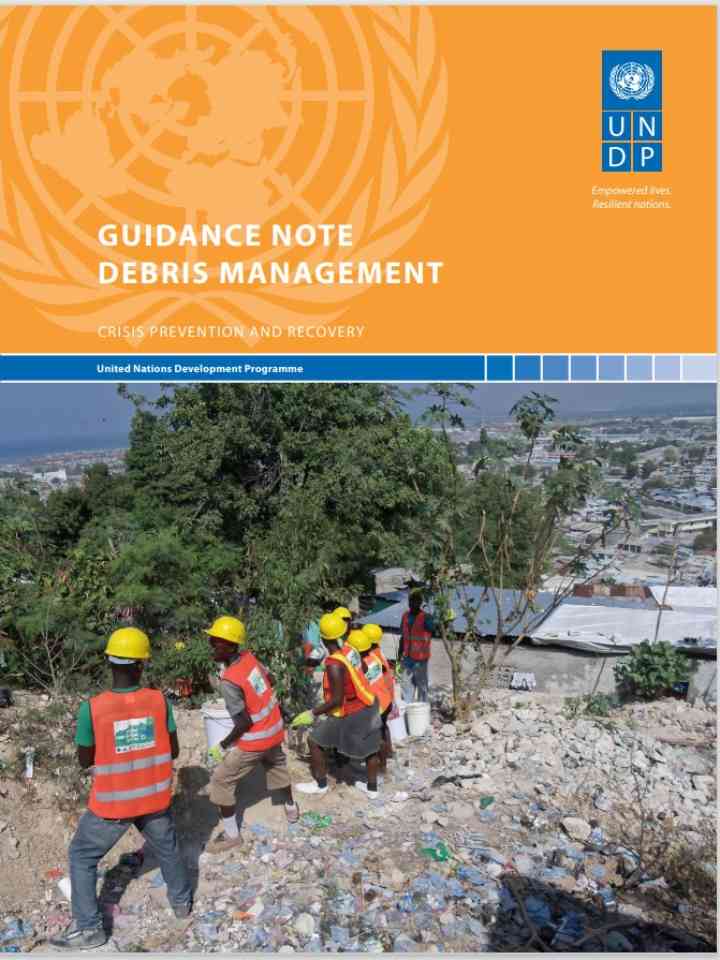
This guidance note provides practical advice on how to plan, design and implement a project that swiftly links governments and communities in the assessment, clearance, recycling and management of debris following a significant national catastrophe.
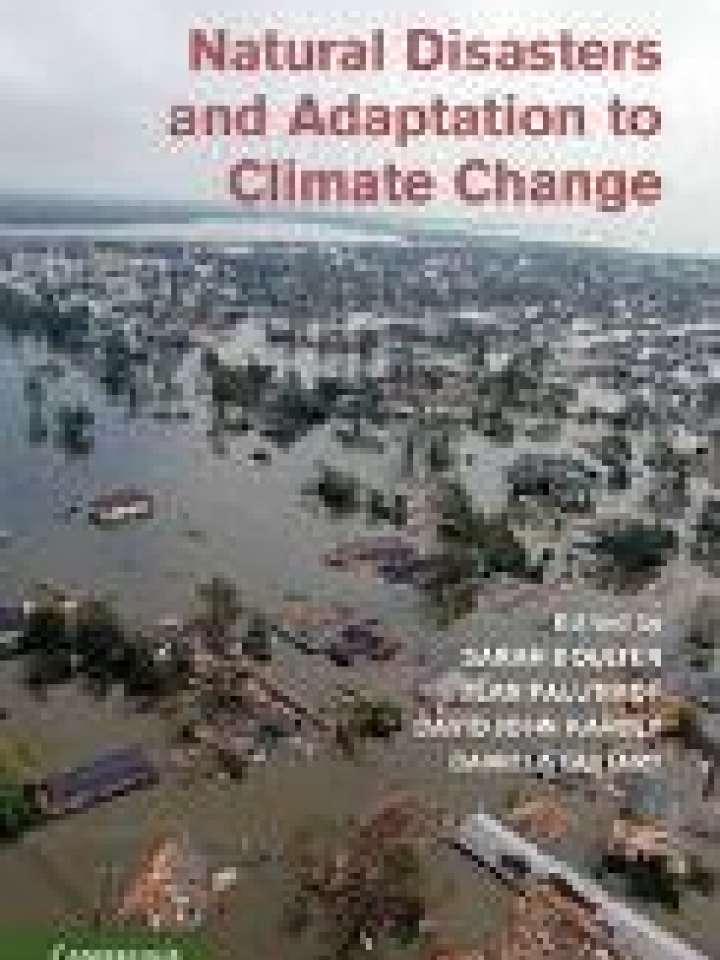
This volume presents eighteen case studies of natural disasters from Australia, Europe, North America and developing countries. By comparing the impacts, it seeks to identify what moves people to adapt, which adaptive activities succeed and which fail
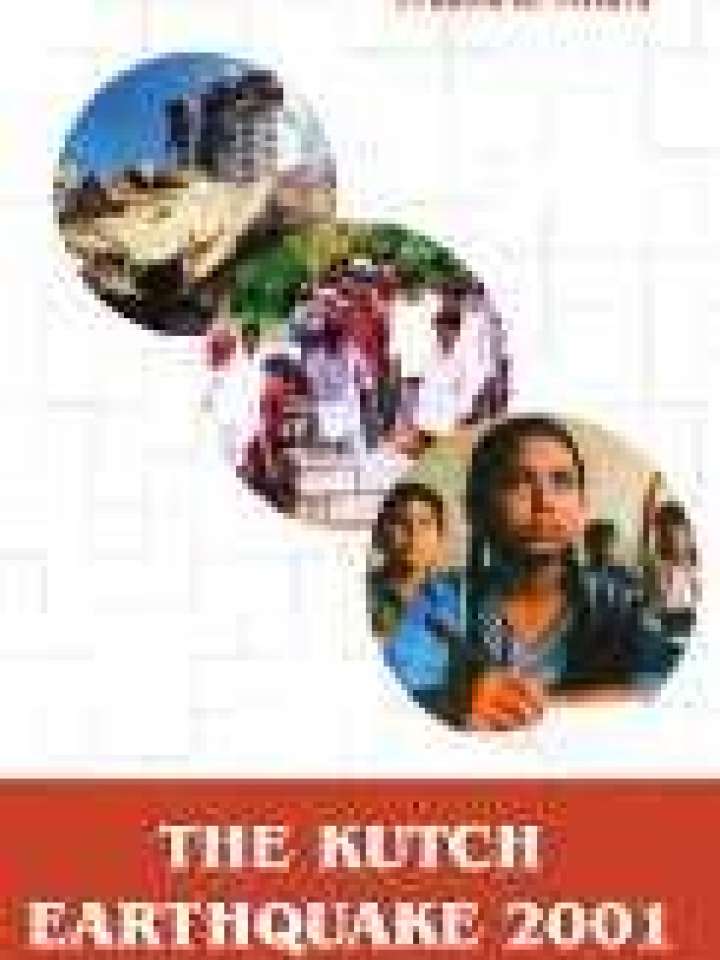
This book makes a thorough analysis of each and every aspect of the management of the Gujarat earthquake of 2001, starting from disaster response to reconstruction, rehabilitation and recovery, focusing on lessons learned and emphasizing on how to improve
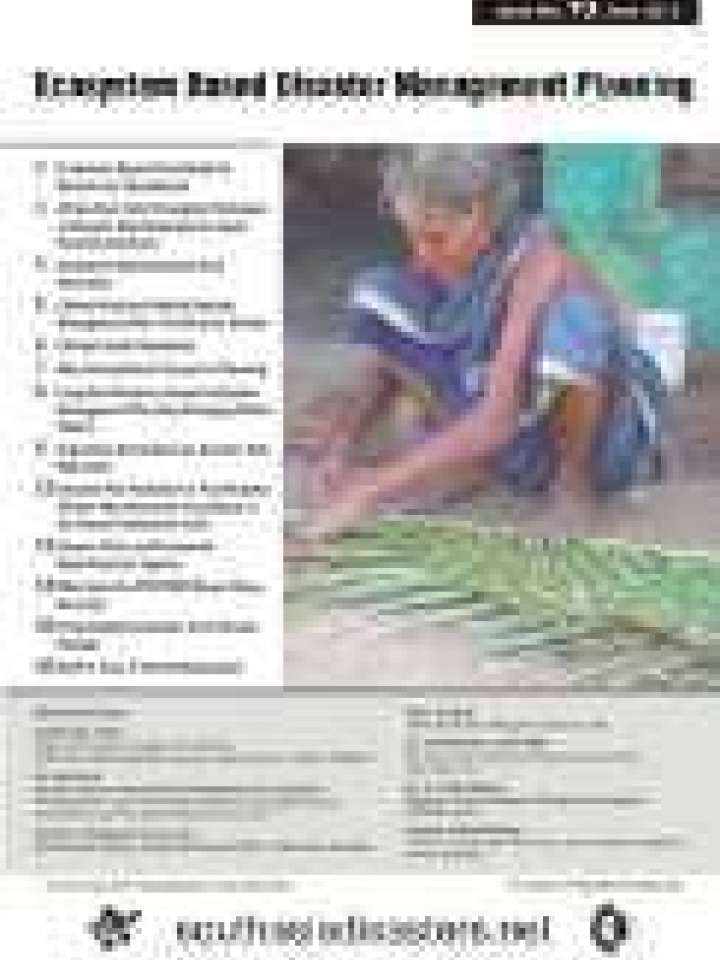
This issue presents articles related to ecosystem, climate change, recovery and gender, in relation to disaster management planning in India and beyond. The content includes: (i) ecosystem based flood relief to recovery in Uttarakhand; (ii) a view from Delhi - emerging challenges of disaster risk reduction for the Asian Development Bank; (iii) ecosystem based disaster risk reduction; (iv) climate risk and district disaster management plan of Puri district, Odisha; (v) climate-smart revolution; (vi) addressing natural hazards in planning; (vii) long-term recovery issues in disaster management planning - emerging global trends; (viii) Yogyakarta declaration on disaster risk reduction; (ix) disaster risk reduction in post disaster shelter reconstruction - case study in the Indian sunderbans delta; (xi) gender, risk, and community mobilization in Uganda; (xii) what does the IPCC SREX report mean for India?; (xiii) protecting communities from climate change; (xiv) IUCN in Asia, a note for exploration.