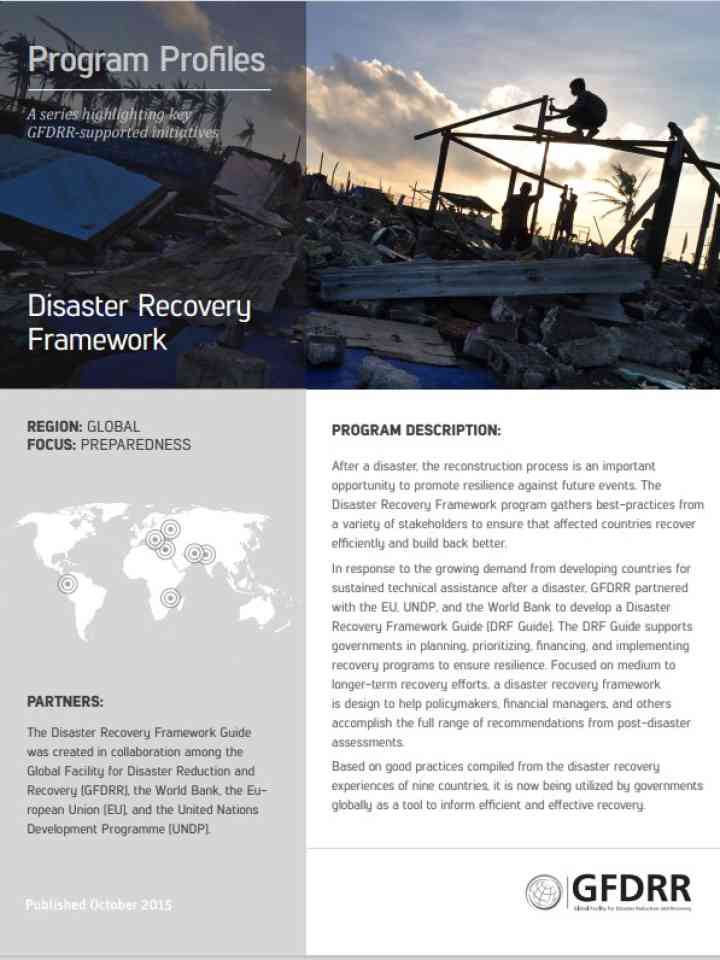
This is an overview of the Disaster Recovery Framework Programme, which collects best practices from various stakeholders to help affected countries recover efficiently and build back better after disasters.
World Bank, the
Global Facility for Disaster Reduction and Recovery, the (GFDRR)
This report summarises the discussions and outcomes from the national debriefing workshop to identify lessons learned following Tropical Cyclone Pam. It reviews key aspects of coordination, including preparation, response and recovery.
This final report presents the outcomes of the Making Cities Resilient New Orleans-Gothenburg exchange. The exchange was part of the United Nation's Making Cities Resilient campaign and concerned with disaster resilience with particular focus on high
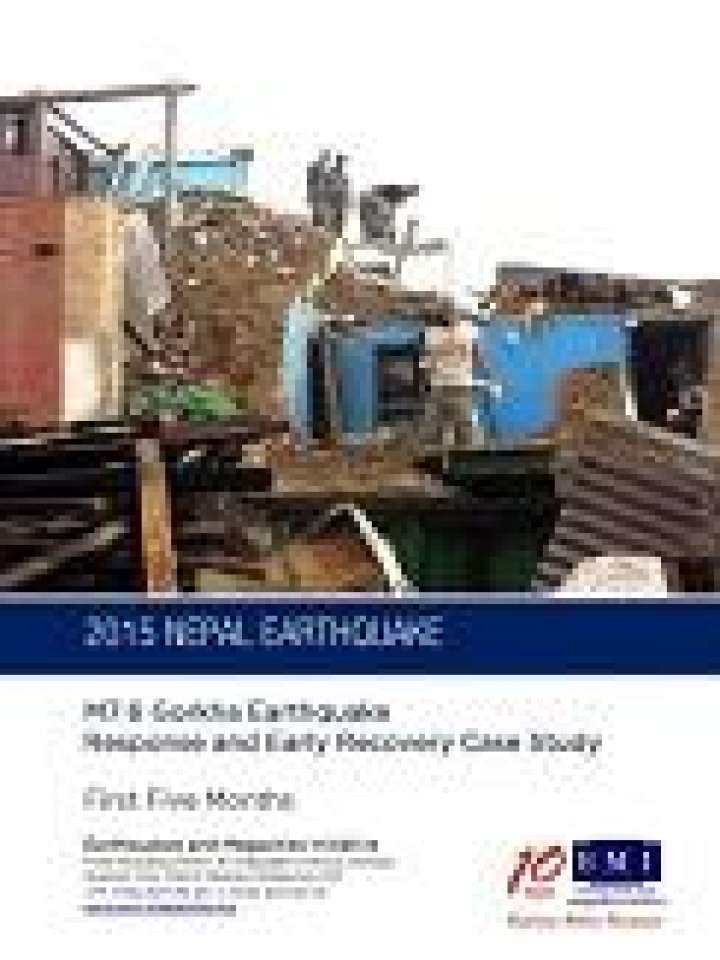
This report focuses on the first five months after the Nepal Earthquakes of 2015 and reviews the current legal and institutional framework for disaster risk management in Nepal and highlights its gaps and limitations in the context of the recent disaster.
This volume brings together submissions from the doctoral researchers covering a wide spectrum of topics including risk assessment and mitigation, post-disaster reconstruction, disaster governance, social/community resilience, and stakeholder engagement
This act sets out a comprehensive legal framework for disaster risk management. It provides for the establishment of the Disaster Management Agency, as well as for disaster risk management and the National Disaster Management Plan, coordination mechanism
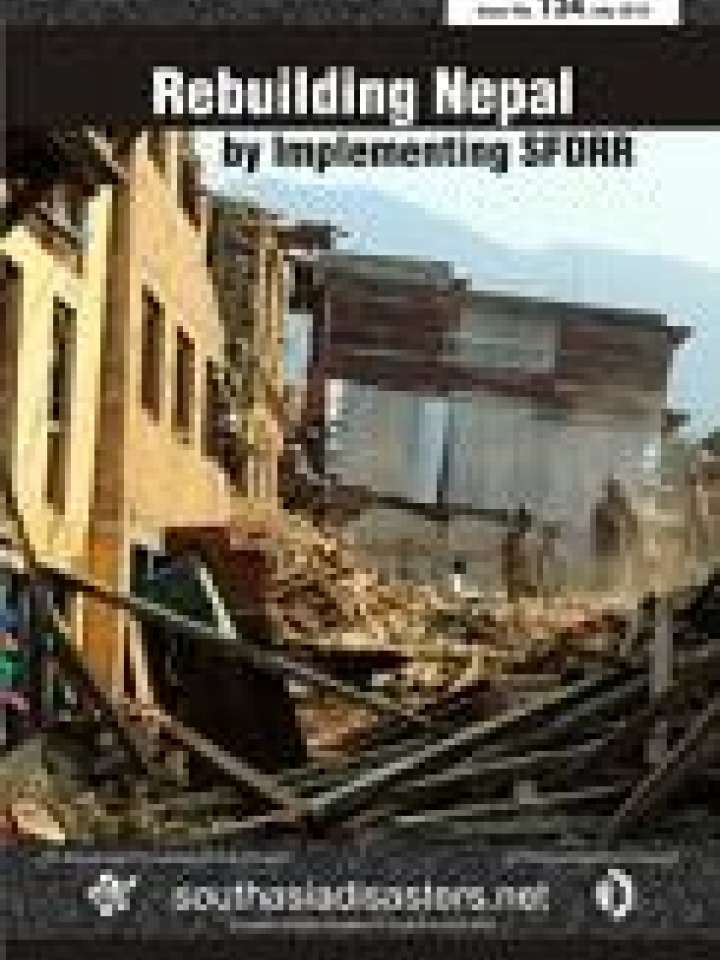
This issue of Southasiadisasters.net tries to highlight the different perspectives on what the nature of the recovery and reconstruction should be three months after the Nepal earthquake.
This document presents a strategy developed to respond to the urban challenges facing New Orleans, including the risks of climate change and the natural environment. Guided by 100 Resilient Cities, this document combines local expertise with global best