This study aimed to understand the impact of Typhoon Haiyan on health staff at a personal and work level when the storm hit the Philippines in 2013. The three main aspects reported as influencing staff were accessibility, safety and emotional aspects.
In August 2018, Kerala experienced severe flash floods with significant human and economic impacts. This publication highlights the global importance of flash floods and details a field mission to Kerala.
Centre for Research on the Epidemiology of Disasters (CRED)
World Rescue is a narrative, research-based mobile phone video-game inspired by the Sustainable Development Goals of the United Nations. Through fast-paced gameplay set in Kenya, Norway, Brazil, India, and China, the player will meet and help five young
UNESCO Mahatma Gandhi Institute of Education for Peace and Sustainable Development
This Resilience Scan summarises writing and debates in the field of resulience during the first quarter of 2017. It comprises an 'expert view' that examines post-disaster recovery. Based on literature that draws together academic and practice-based
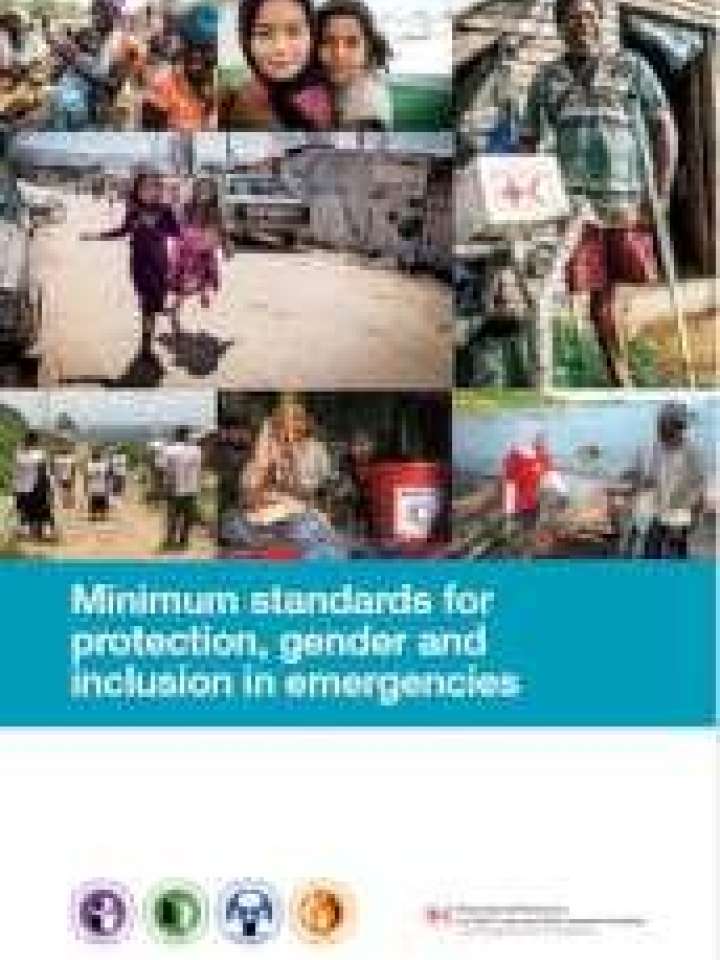
This guidance presents Red Cross and Red Crescent staff, members and volunteers with a set of minimum standards for protection, gender and inclusion (PGI) in emergencies. It aims to ensure that the emergency programming of the International Federation of
International Federation of Red Cross and Red Crescent Societies (IFRC)
Hurricane Maria was one of the most devastating storms in United States history. The tremendous force of the hurricane, along with the associated wind, rain, flooding, and critical infrastructure damage, caused incredible disruption to lives and
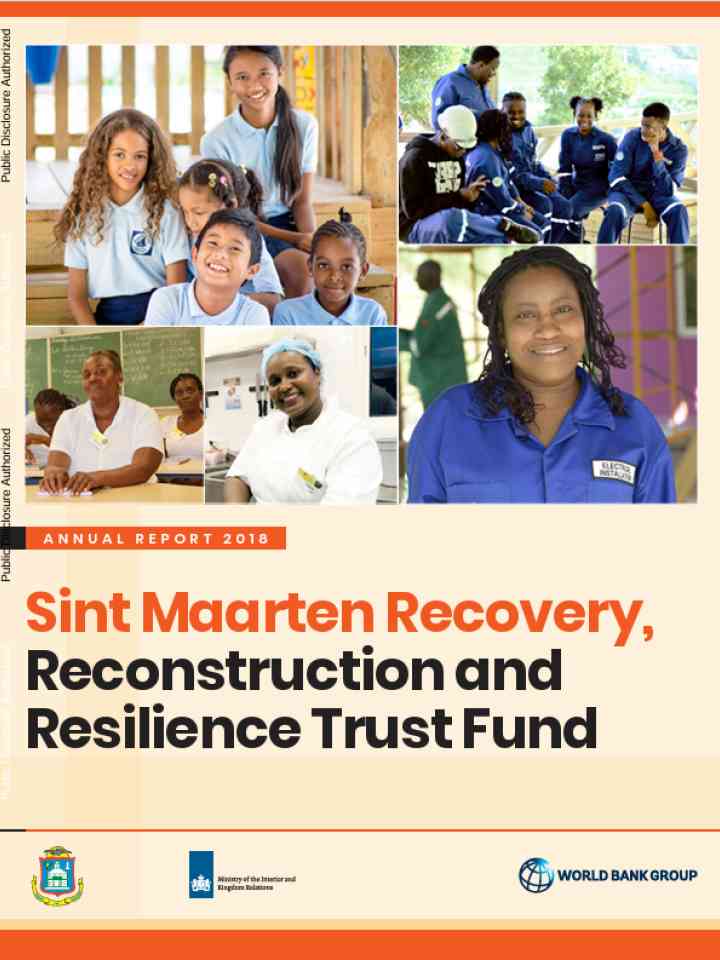
This report provides an overview of activities executed under the Sint Maarten Reconstruction, Recovery and Resilience Trust Fund, managed by the World Bank.
This report contains the findings of a study commissioned by agencies of the United Nations to obtain credible information on the conditions in which people affected by the Chernobyl accident are living fifteen years after the explosion, and to make recommendations as to how their needs can best be addressed in the light of this information.
World Health Organization (WHO)
United Nations Development Programme (UNDP)
United Nations Office for the Coordination of Humanitarian Affairs
In this article, the inverse care law is outlined, its application to medical treatment following disasters considered and an explanation of the inverse response law provided.