This ReImagina Puerto Rico main report highlights 17 of recommendations identified as high priority, actionable and address critical issues for the recovery and reconstruction of Puerto Rico.
Resilient Puerto Rico Advisory Commission (ReImagina Puerto Rico)
A report of the National Advisory Committee on Children and Disasters
Focusing exclusively on natural disasters, this report reviews the knowledge and practice gains that promote a more rapid and equitable recovery for children and youth through
United States Department of Health and Human Services
This book offers recommendations and guidance to enhance the disaster resilience of the academic biomedical research community in the United States of America, with a special focus on the potential actions researchers, academic research institutions, and
National Academies of Sciences, Engineering, and Medicine, The
The analysis of the health and sanitation aspects of Integrated Flood Management (IFM) carried out in this Tool outlines the main measures to be undertaken to minimize impacts on public health during the whole cycle of flood management (flood planning and preparedness, response, and post-flood relief and recovery).
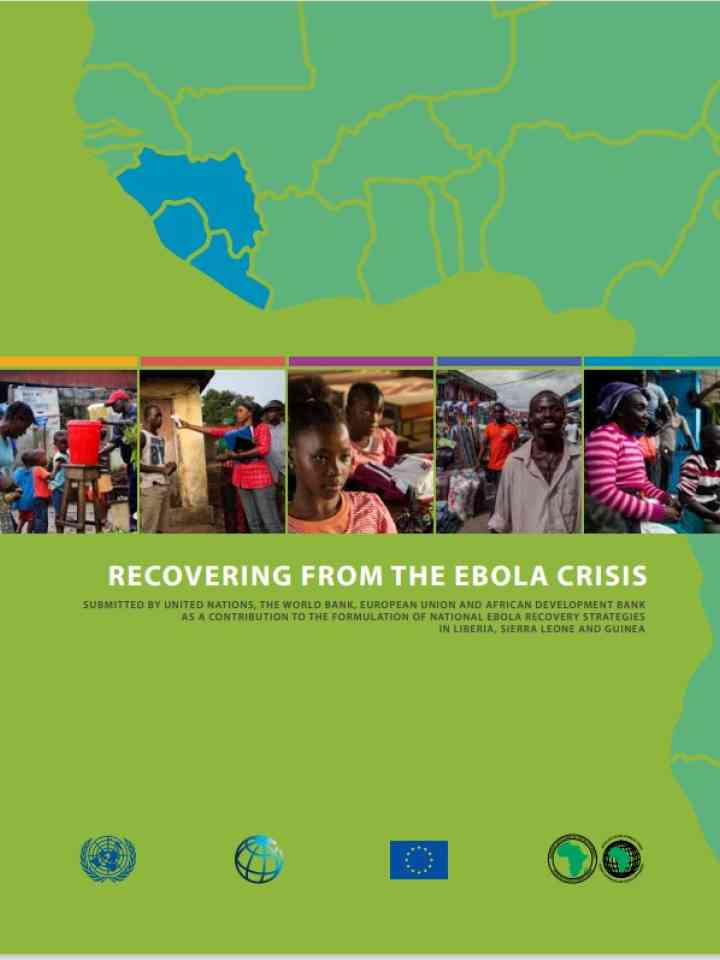
This report is a contribution to ongoing efforts by the Governments of Guinea, Liberia and Sierra Leone to design their national Ebola virus disease recovery strategies.
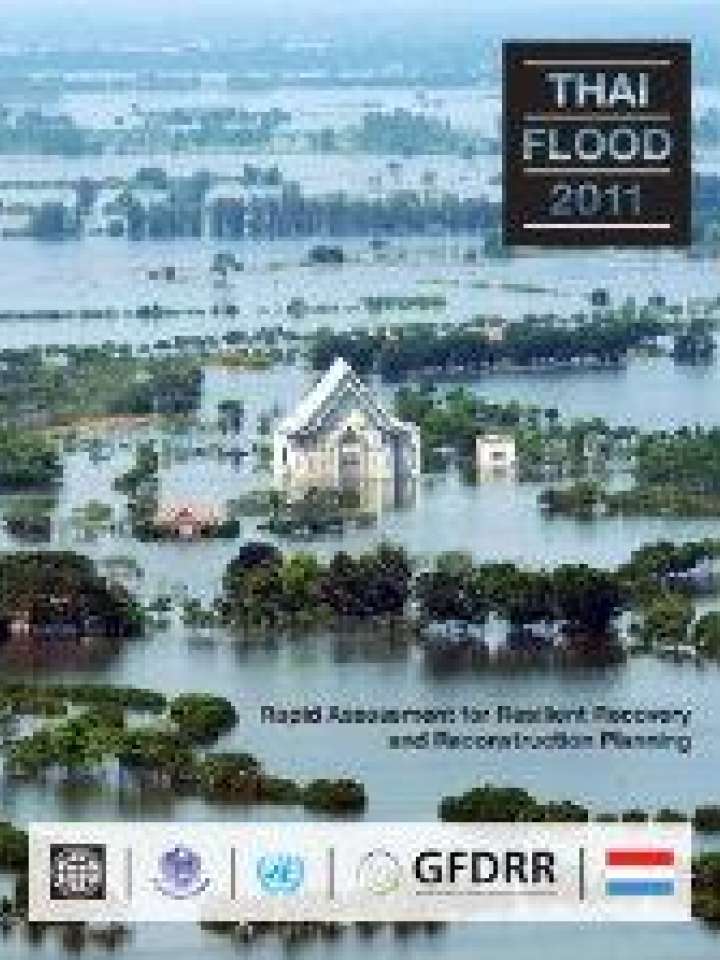
This Rapid Assessment for Resilient Recovery and Reconstruction Planning report is the result of an exercise initiated by the Royal Thai Government to assess the economic and social impact of the 2011 floods and prepare recovery and reconstruction plans.
Twenty-six of the country’s 66 affected provinces were included in the assessment, which examines 18 main sectors and used a comprehensive and internationally established methodology looking at damage and losses caused by the disaster. The report determines the country’s needs for post-disaster recovery and reconstruction and proposes short-, medium-, and long-term measures in each of the 18 sectors for a sustainable post-disaster reconstruction program. Drawing on global good practices for disaster risk management and building-back-better strategies, the report also gives suggestions on how to improve the resilience of the country’s infrastructure and its communities to the impacts of disasters.
World Bank, the
Global Facility for Disaster Reduction and Recovery, the (GFDRR)
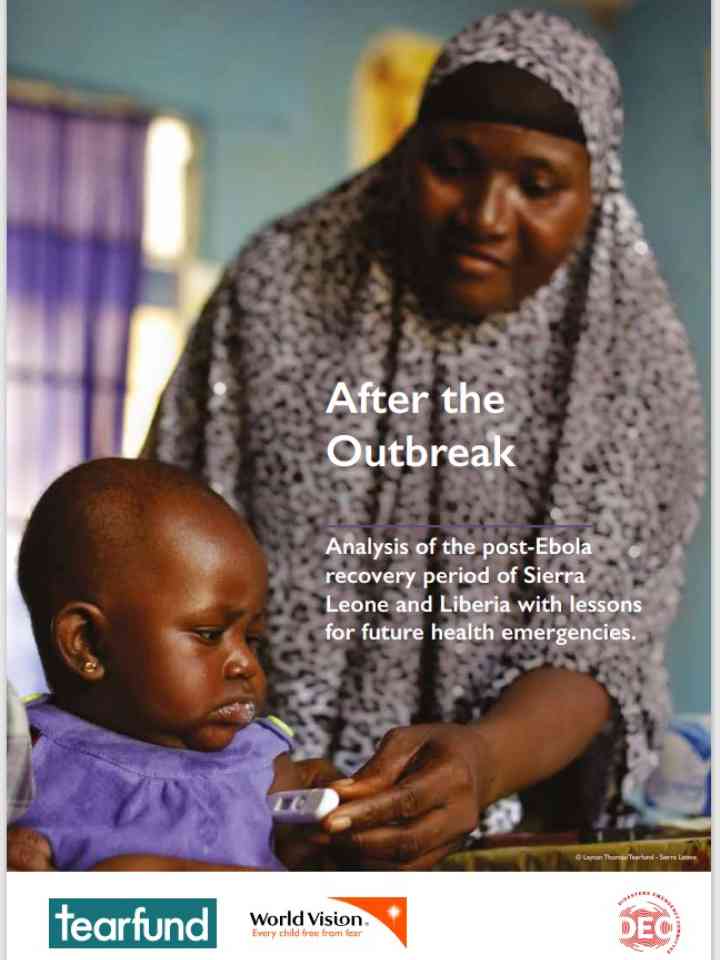
This study evaluates Sierra Leone and Liberia’s road to recovery by analysing their post-Ebola policies (particularly those for survivors and affected persons) and how these have been implemented in practice.
This is case study about mental health and psychosocial support after an earthquake of magnitude 7.8 struck Nepal, which killed 8897 people, injured 22 303 and left 2.8 million homeless.
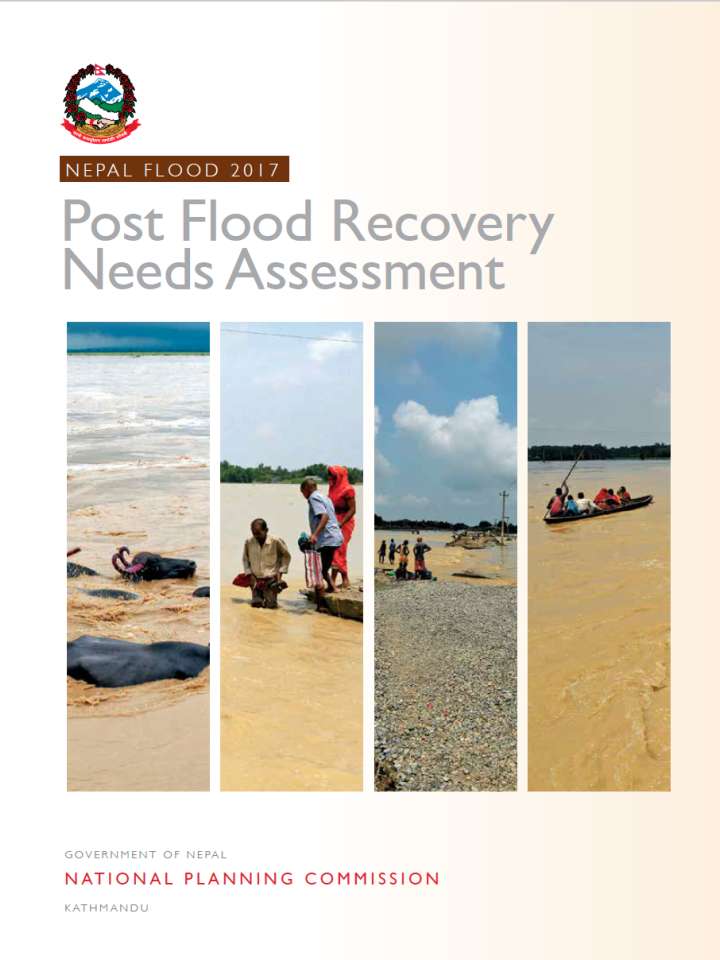
The Post Flood Recovery Needs Assessment offers an objective basis for recovery planning and measures for reducing future risks. It estimates the impact of the 2017 floods that affected the Terai region and to identify medium-term recovery needs.
Nepal - government
Global Facility for Disaster Reduction and Recovery, the (GFDRR)