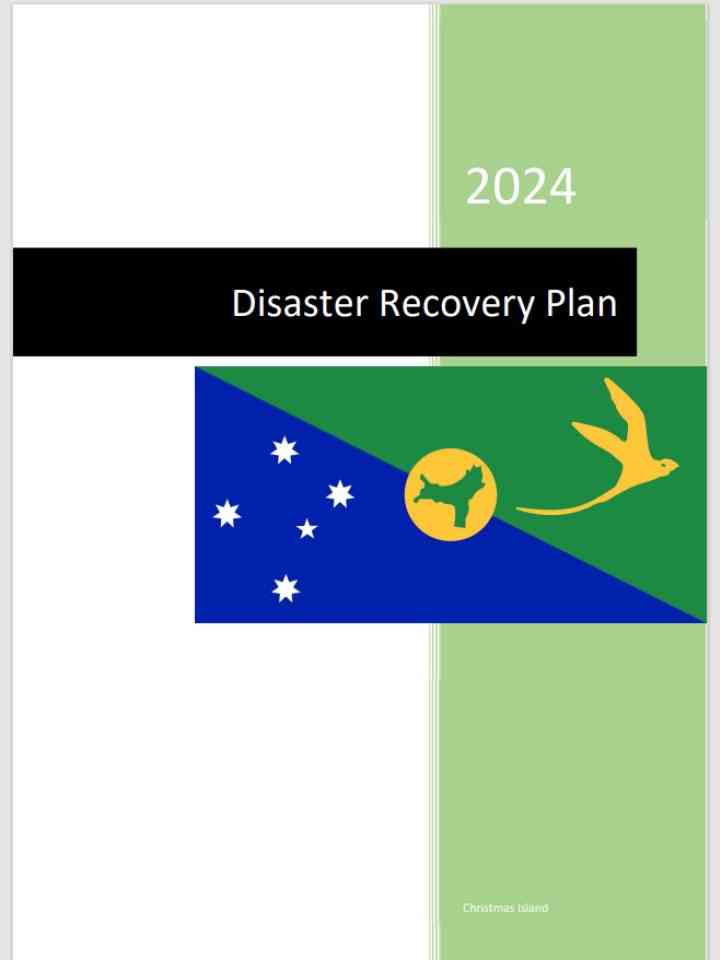
The aim of the DRP is to detail the emergency recovery arrangements for the Territory of Christmas Island. It is designed to guide key agencies and individuals in responding to a variety of emergencies throughout the Territory.
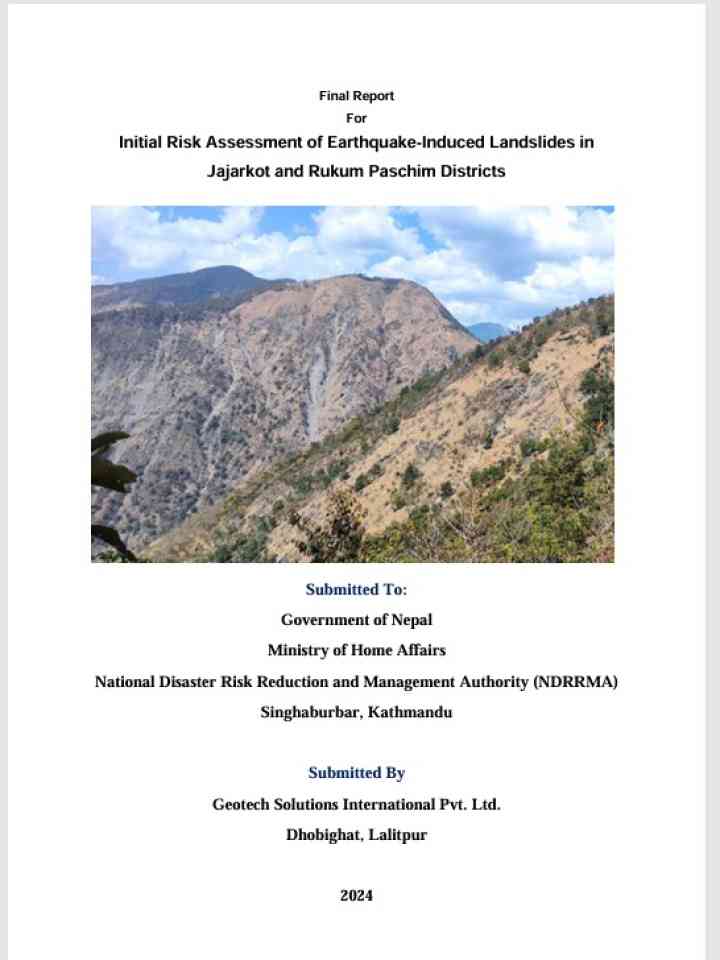
This report provides an overview of the scope and objectives of an initial risk assessment, highlighting the significance of early detection and mitigation strategies in reducing the potential impact of earthquake-induced landslides.
This study examines the economic challenges faced by the Larkana due to flooding, highlighting the importance of government intervention, community resilience, and strategic rehabilitation efforts to ensure equitable recovery and sustainable development.
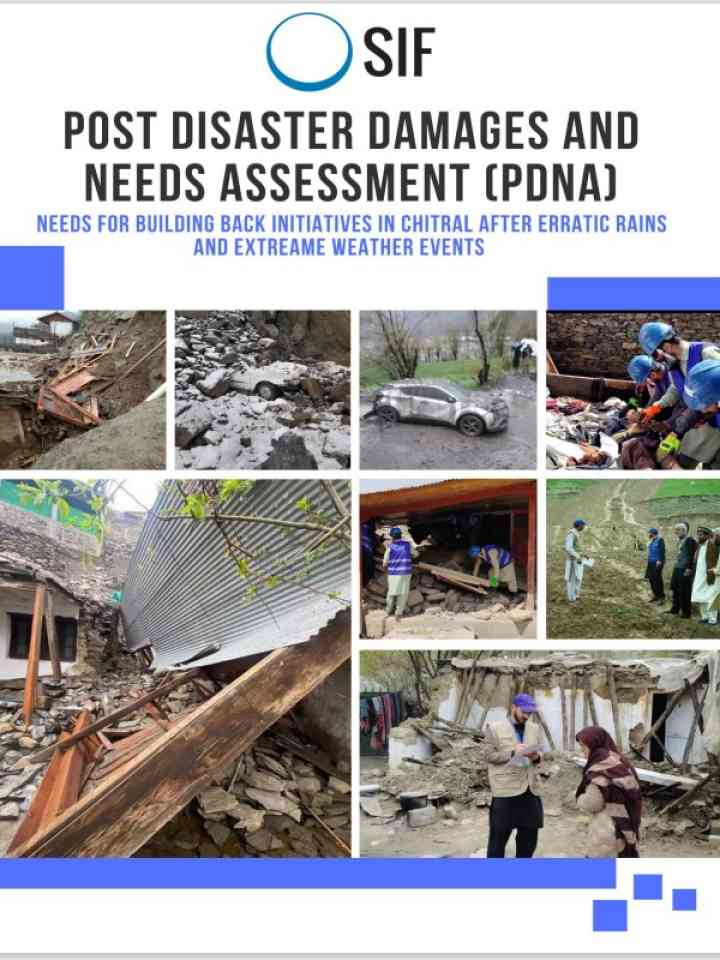
The post-disaster multisectoral needs assessment report presented here provides a crucial glimpse into the profound effects of climate change on the district of Chitral in 2024.
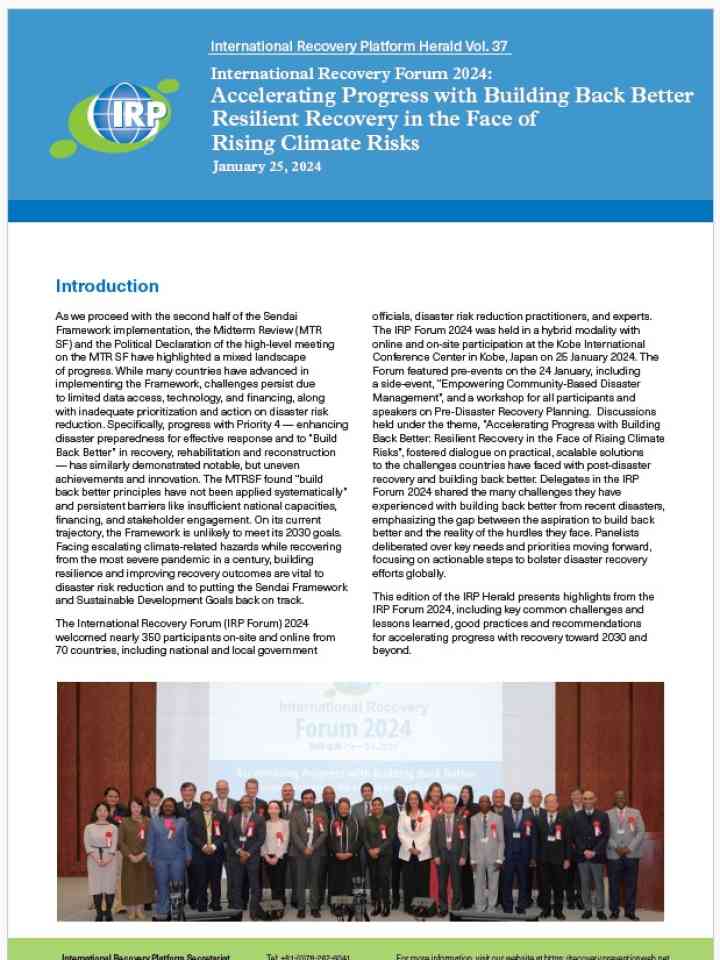
IRP Herald Volume 37 is the knowledge report for the International Recovery Forum 2024: Accelerating Progress with Building Back Better: Resilient Recovery in the Face of Rising Climate Risks
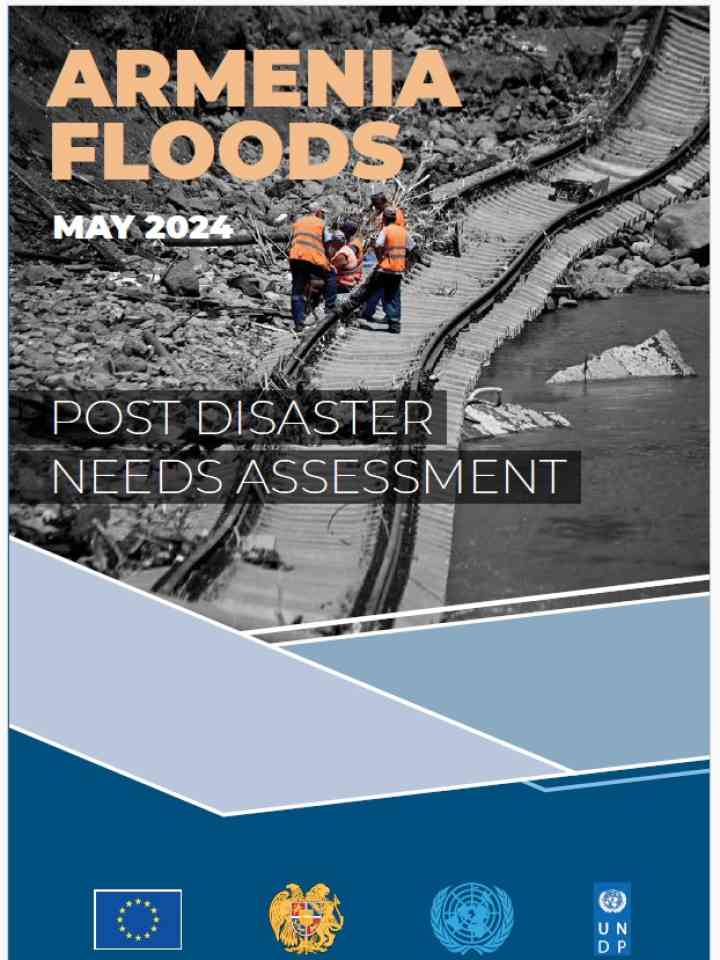
This PDNA provides assesses the damages and recovery needs in the Lori and Tavush regions, and proposes strategies to rebuild affected areas sustainably, integrating the Build Back Better principles and fostering resilience against future disasters.
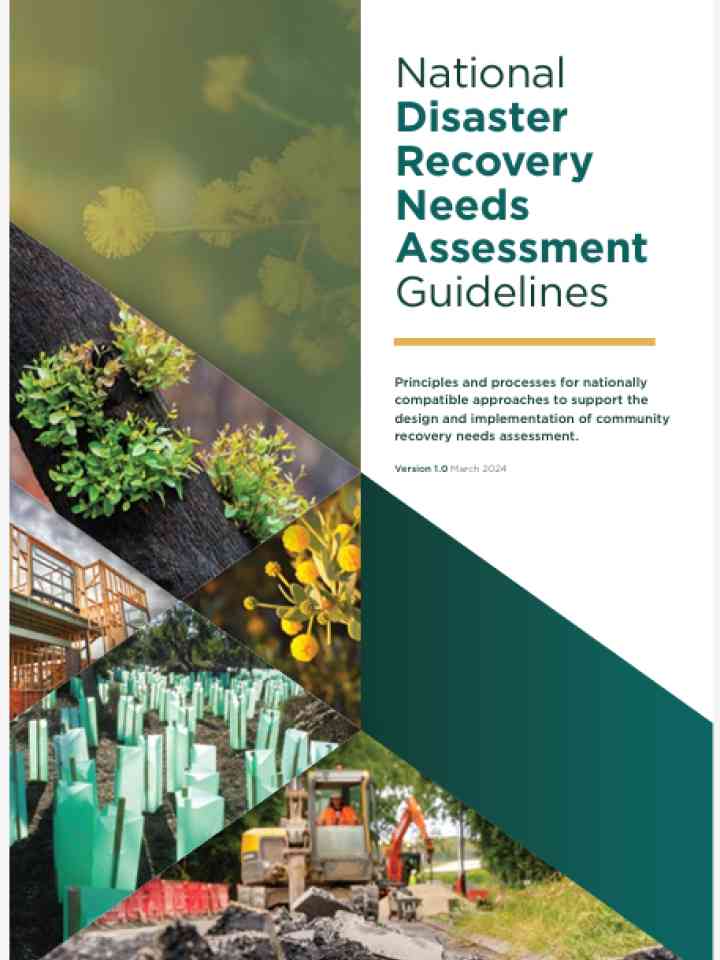
In partnership the Community Outcomes and Recovery Sub-committee, Queensland Reconstruction Authority and the National Emergency Management Agency developed the National Disaster Recovery Needs Assessment Guidelines.
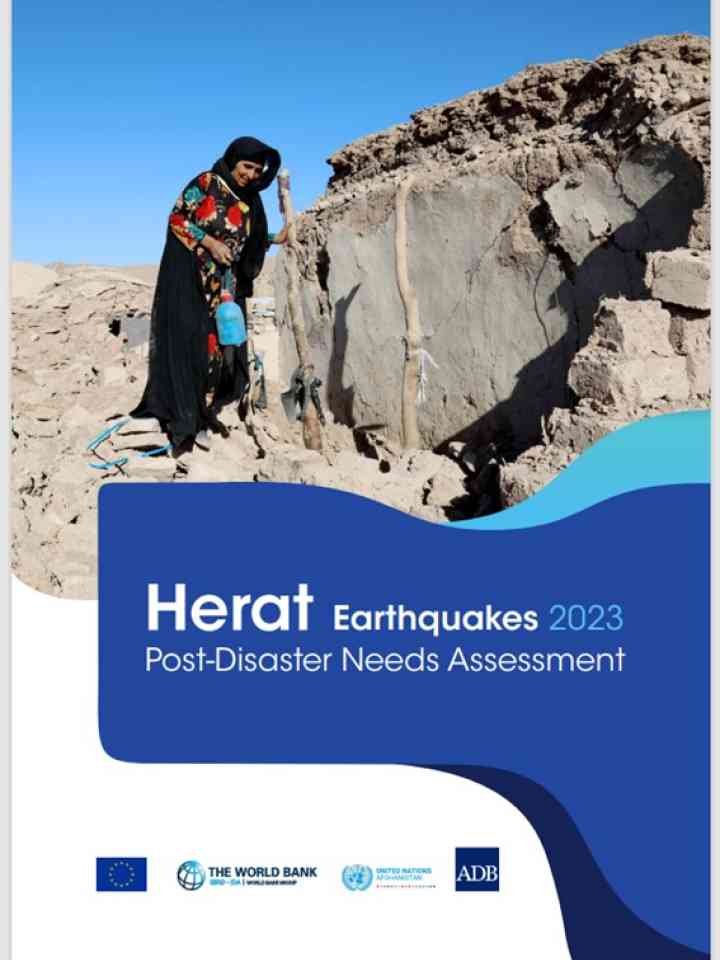
This PDNA report provides an assessment of the severe impacts of the earthquakes which struck Herat, Afghanistan in October 2023, and provides a vision and guiding principles for recovery.
Asian Development Bank (ADB)
European Union
World Bank, the
Global Facility for Disaster Reduction and Recovery, the (GFDRR)