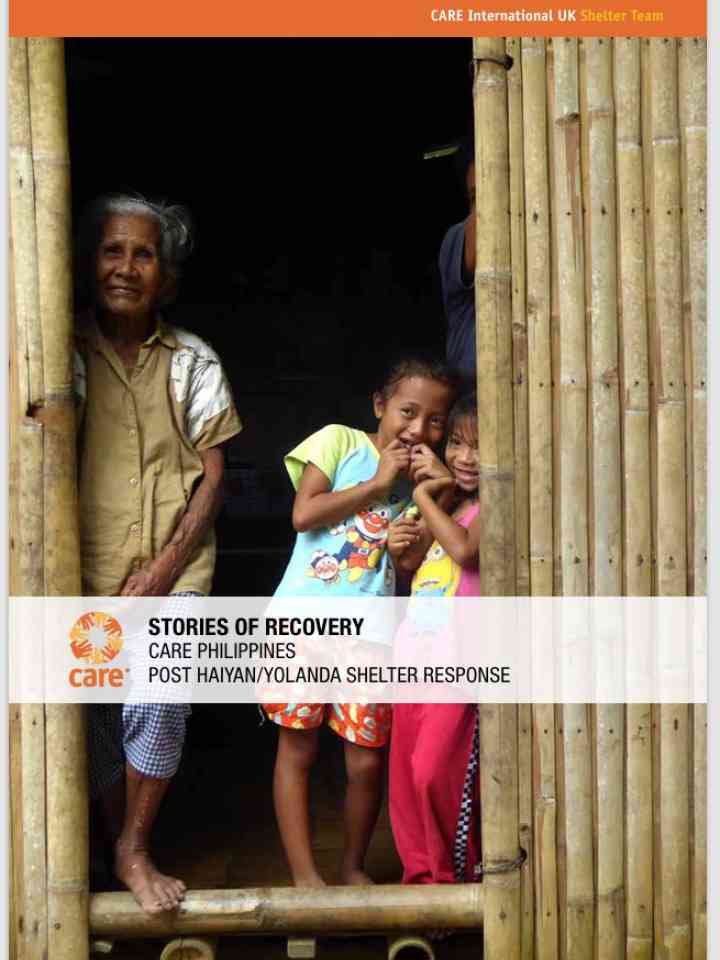
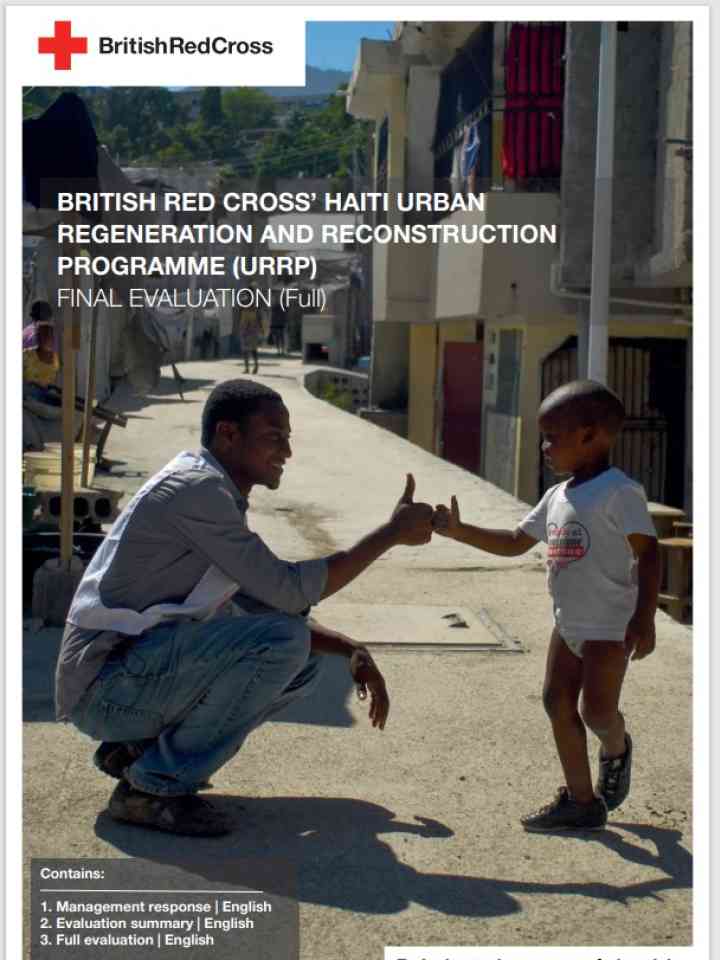
This report evaluates the shelter response which used a self-recovery approach, providing almost 16,000 families with cash, materials and tools and also analyses the relationship between shelter and livelihood programmes.
This issue of the newsletter is a compendium of perspectives and views by a group of students from Oxford Brookes University that visited 2 districts of Gujarat to study the long-term impacts of recovery from the 2001 earthquake. Contributions from John Twigg and other reputed academics are also included in this issue.
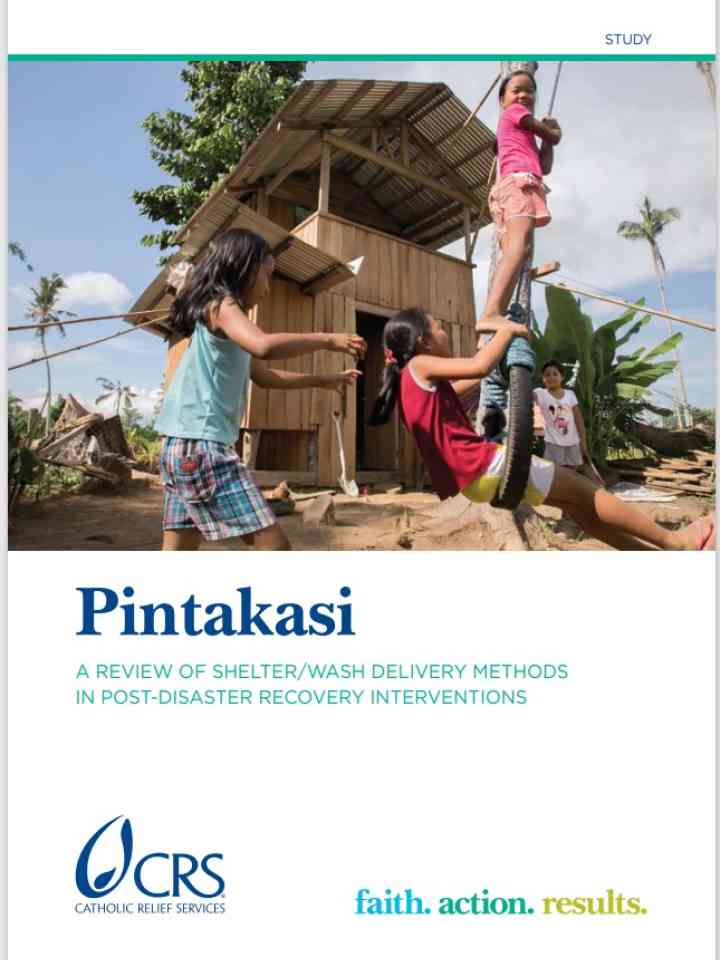
This study hopes to contribute valuable lessons learned and share best practices from the program to the shelter/WASH recovery communities of practice within the humanitarian sector as a whole.
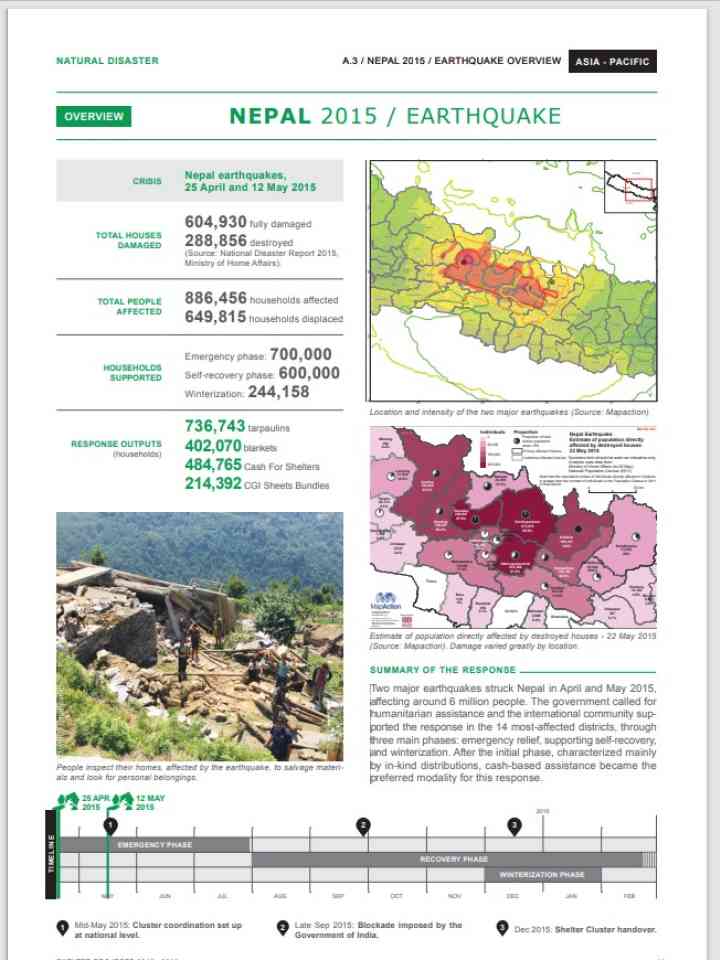
This report presents a detailed and qualitative assessment of housing, land and property (HLP) challenges and implications for the post-earthquake recovery in Nepal. It examines how right holders are identified in Nepal, how plots are registered and managed, and which laws are applicable (and applied in practice) in the country.
This PDNA covers the damage and losses across various sectors following heavy rainfall and flooding in Vietnam in 2016. A recovery strategy proposing a long-term plan to strengthen the country’s preparedness for future disasters.
Sri Lanka - government
Global Facility for Disaster Reduction and Recovery, the (GFDRR)
This report presents a summary of the main natural disasters that struck different parts of Khyber Pakhtunkhwa province in Pakistan, affecting a large number of people and causing substantial damage to public and private infrastructure. The Mini-Cyclone
This plan was prepared in the aftermath of the Oct 26, 2015 earthquake which caused human losses and extensive damages to public infrastructure, houses and other buildings in various areas of the Khyber Pakhtunkhwa province in Pakistan.
The document contains a detailed damage assessment and lists priority interventions in areas of rehabilitation of physical infrastructure, housing, reactivation of local economy, and disaster risk reduction and environment recovery strategies. The plan also proposes management mechanisms for recovery and reconstruction.