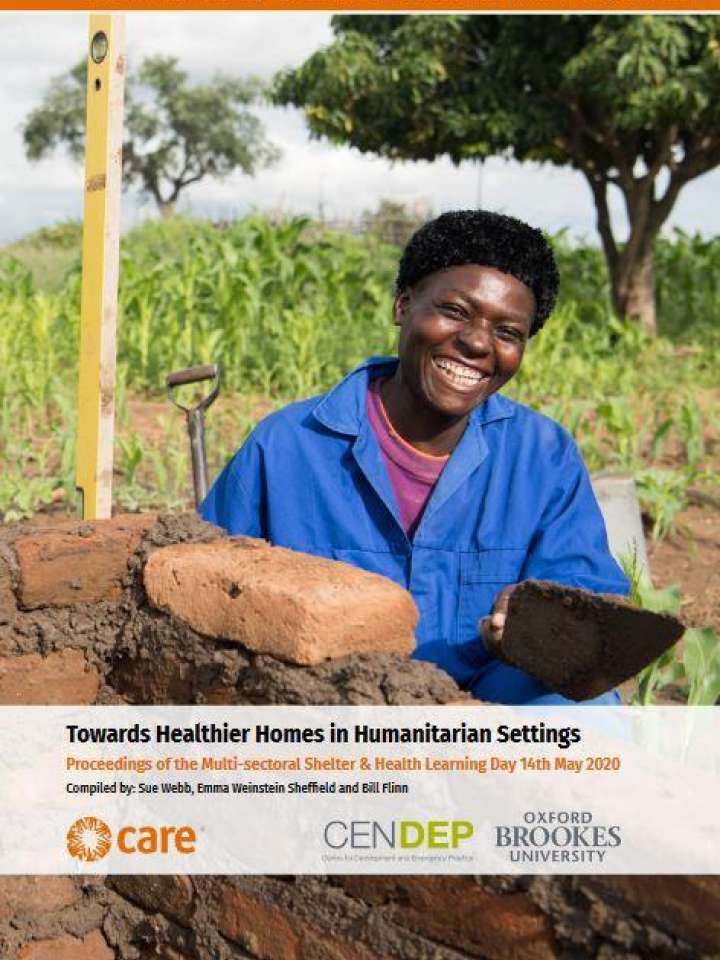
The report explores how shelter support for housing reconstruction, including through self-recovery, can contribute to physical and mental wellbeing in the short- and long-term for people recovering from disasters. The report aims to share knowledge about the connections between housing and mental and physical health and contains recommendations to inform humanitarian shelter responses and ensure wide co-benefits of post-crisis rebuilding, especially in self-recovery contexts.
This study examines people’s experiences in post-disaster resettlement in the Philippines, focusing on the 1991 eruption and subsequent lahars of Mt. Pinatubo, the 2006 Mt. Mayon eruption, Typhoon Sendong in 2011 and Typhoon Yolanda in 2013.
This study focuses on the April/May 2015 Nepal earthquakes to understand rural natural disaster recovery. Household surveys were conducted on critical earthquake impacts and recovery trajectories with 400 ran-domly selected households in four clusters of settlements in two districts with catastrophic impacts to all houses and infrastructure. The analysis explores relationships among critical recovery indicators, households, and clusters of settlements.
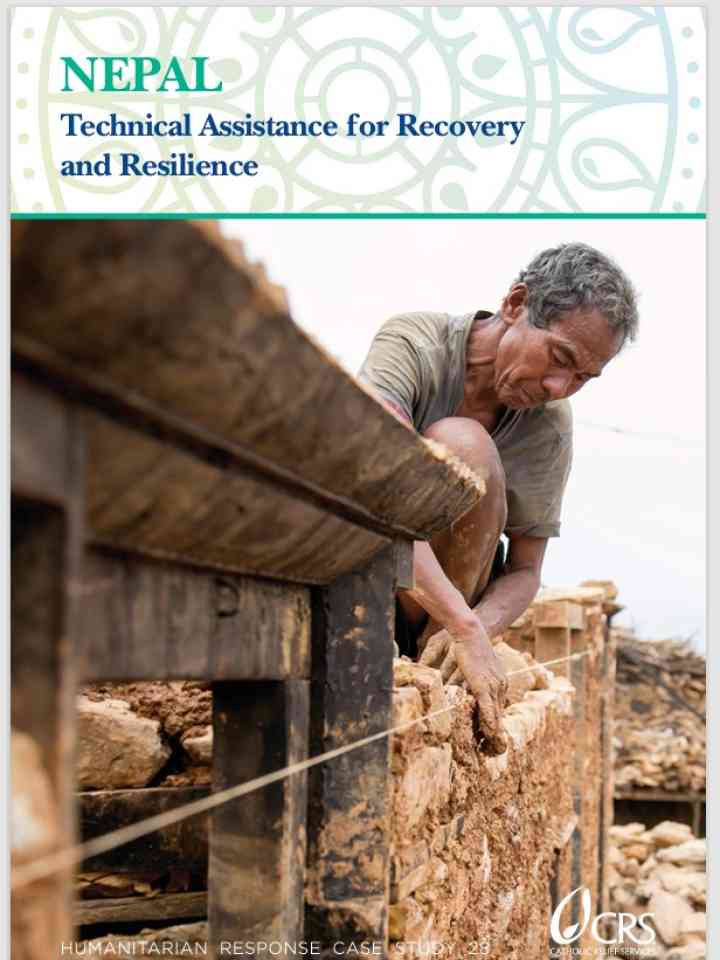
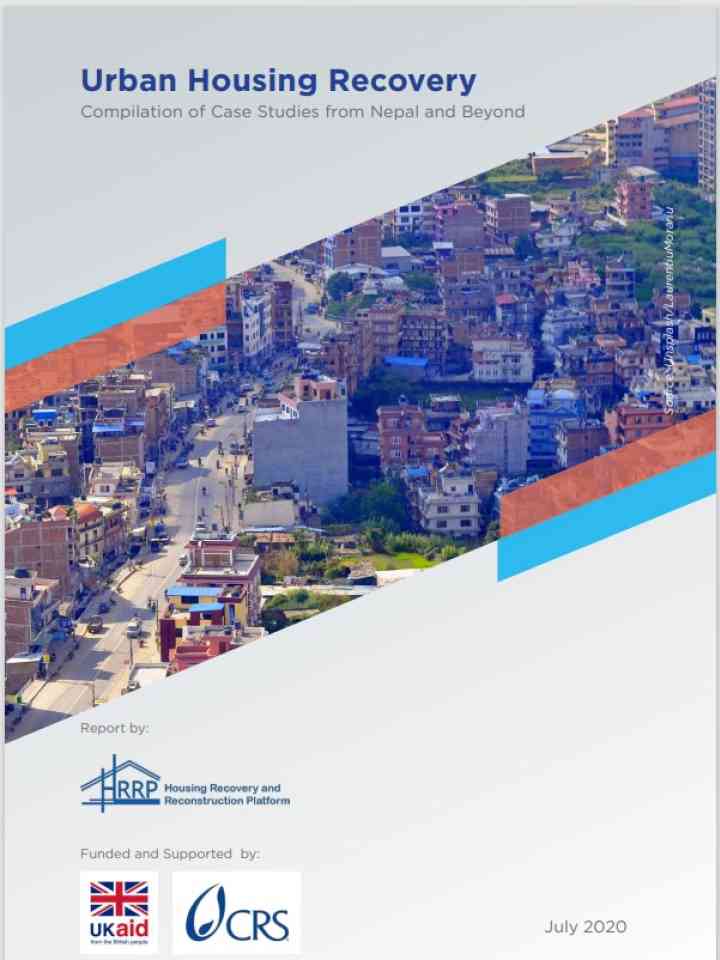
This is a report on the Gorkha Recovery and Resilience Program (GRRP), implemented by the CRS to rebuild lives and livelihoods of families affected by Nepal's devastating 2015 earthquake.
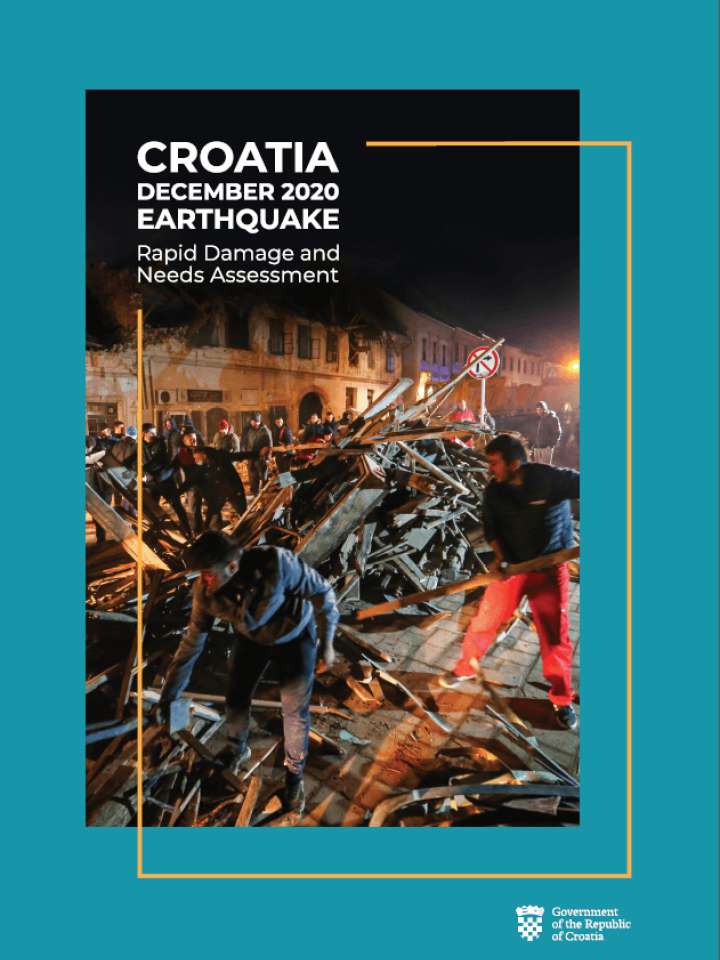
This report provides a structured account of the sectoral, economic, and social impact of the earthquakes which struck Croatia between December 2020 and January 2021. It highlights key findings and provides recommendations for recovery and reconstruction.
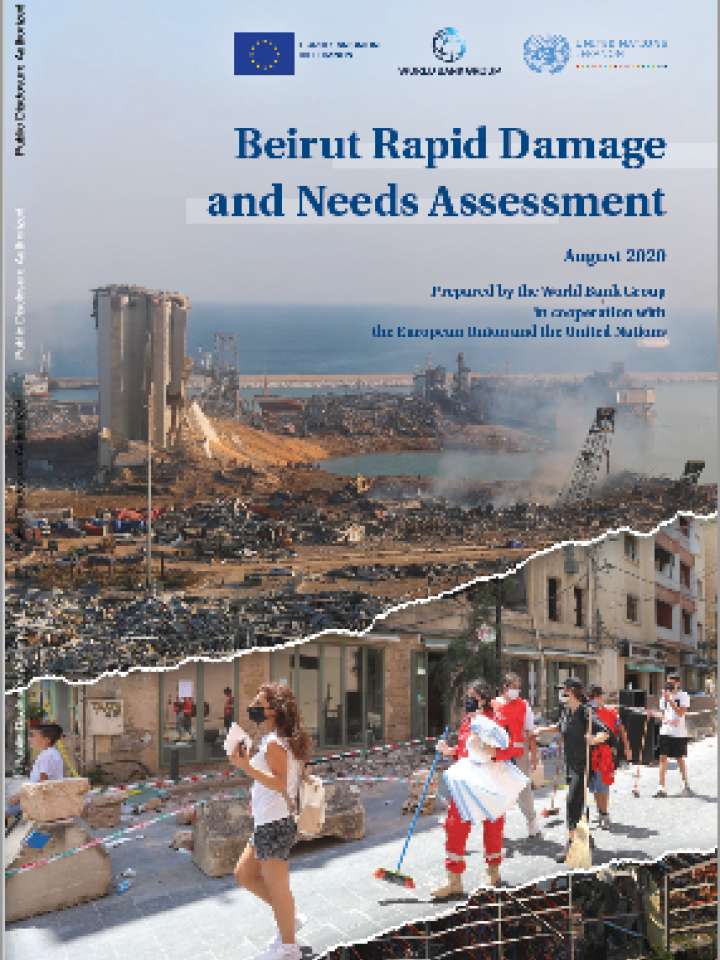
This Rapid Damage and Needs Assessment (RDNA) estimates the impact on the population, physical assets, infrastructure and service delivery, following the explosions in the Port of Beirut in August 2020.
World Bank, the
Global Facility for Disaster Reduction and Recovery, the (GFDRR)
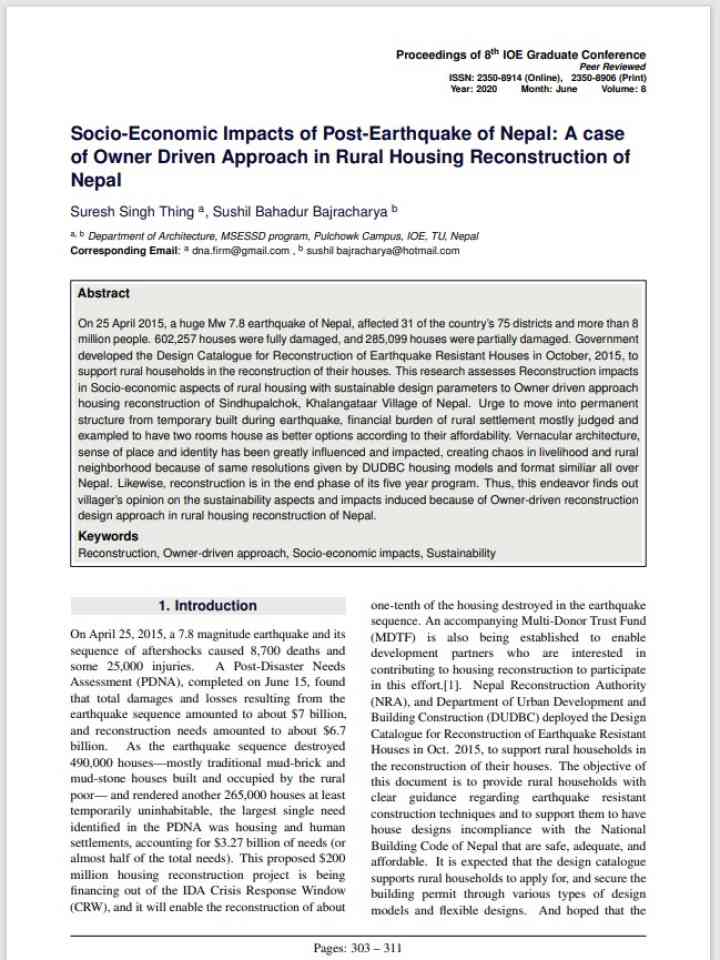
This research assesses reconstruction impacts in socio-economic aspects of rural housing with sustainable design parameters to Owner driven approach housing reconstruction after huge Mw 7.8 earthquake of Nepal in 2015.
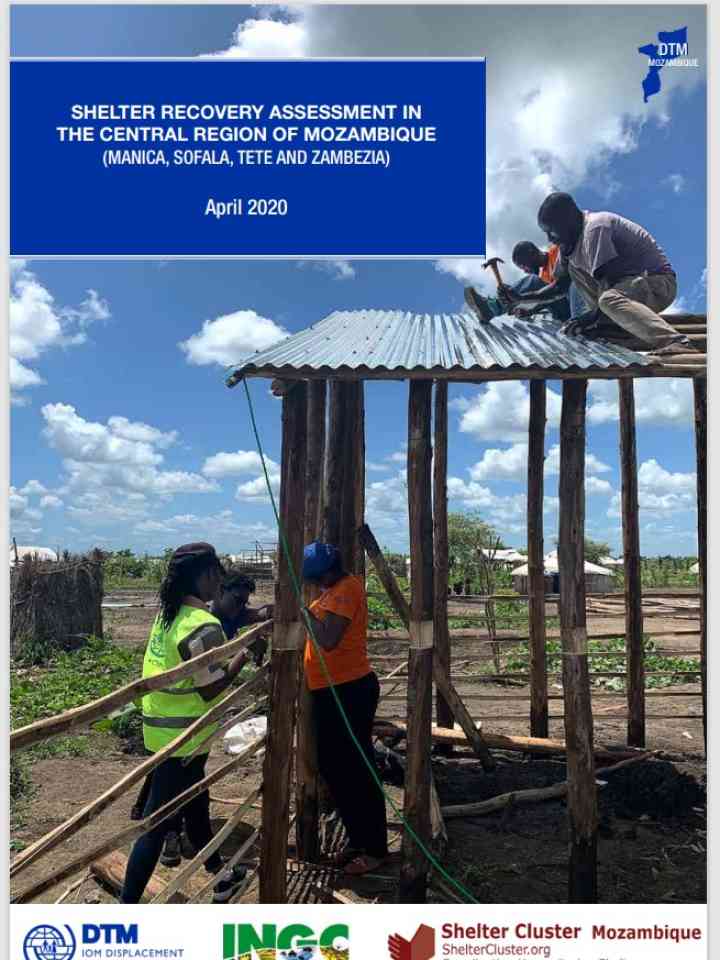
This assessment based on the guidance outlined in the Post-Cyclone Reconstruction Programme (PALPOC) developed by GREPOC, to guide the reconstruction efforts after Cyclone Idai in March 2019.
Global Shelter Cluster
European Commission’s Directorate-General for European Civil Protection and Humanitarian Aid Operations (DG ECHO)
United States Agency for International Development (USAID)
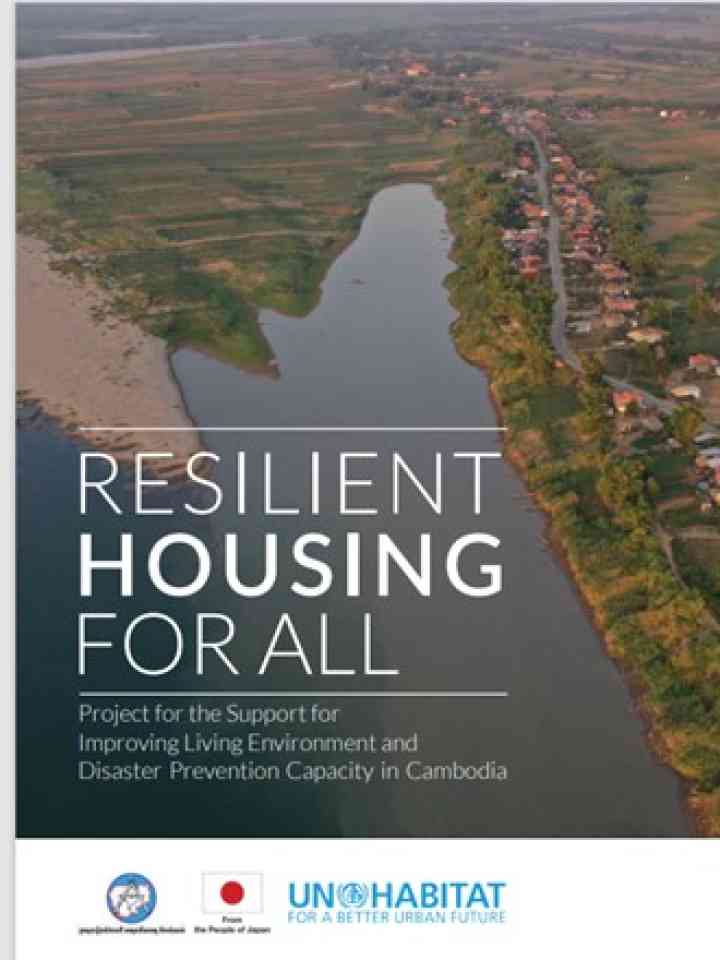
This is a project report conducted by UN-Habitat in collaboration with the Royal Government of Cambodia, on the implementation of the “Project for Improving Living Environment and Disaster Prevention Capacity in Cambodia” (April 2019 – March 2020)
United Nations Human Settlements Programme (UN-HABITAT)