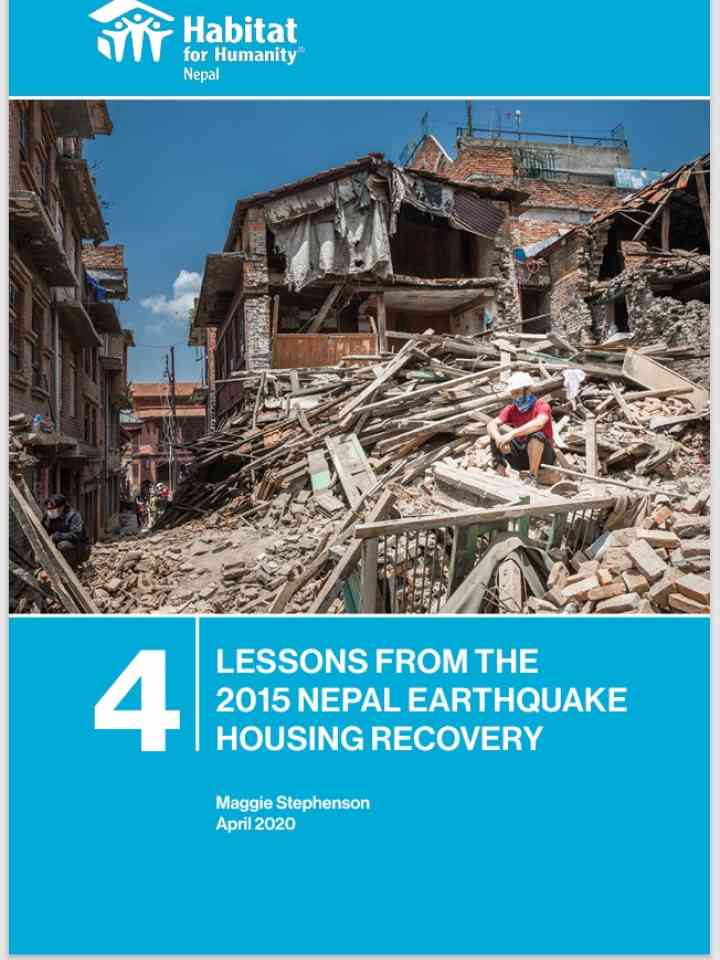
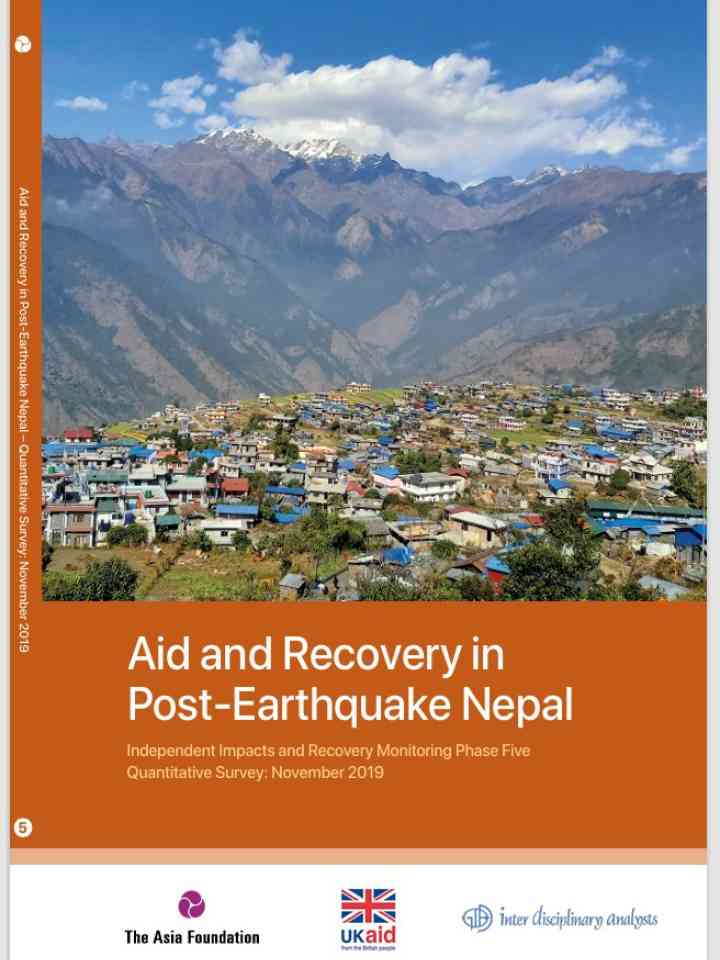
The report is intended as an initial contribution to discussions with Government, development partners, civil society and affected communities, learn from and communicate about the Nepal housing recovery experience.
The paper compares disaster response and recovery strategies in Japan and New Zealand, highlighting differences in governance, community participation, land use, and housing.
On 6th December, the Government of Albania requested support from the European Union, the United Nations, and the World Bank to undertake a full and comprehensive PDNA to identify the damage, losses, and recovery needs arising from the earthquake.
The Great East Japan Earthquake and Tsunami catastrophically struck the eastern part of Japan on March 11, 2011. Fire and Disaster Management Agency reported that the number of deaths was 19,667 and the number of missing persons was 2566 as of September 7
The aim of this paper is (1) to explain the transition of the residential status (i.e., type of places or houses in which affected households stay) after the disaster event and (2) to reveal the factors affecting the housing decisions.
This paper is a systematic study on the reconstruction planning and policy implementation of the Wenchuan earthquake, mainly summarizing the whole process of reconstruction from the perspective of post-disaster housing reconstruction.
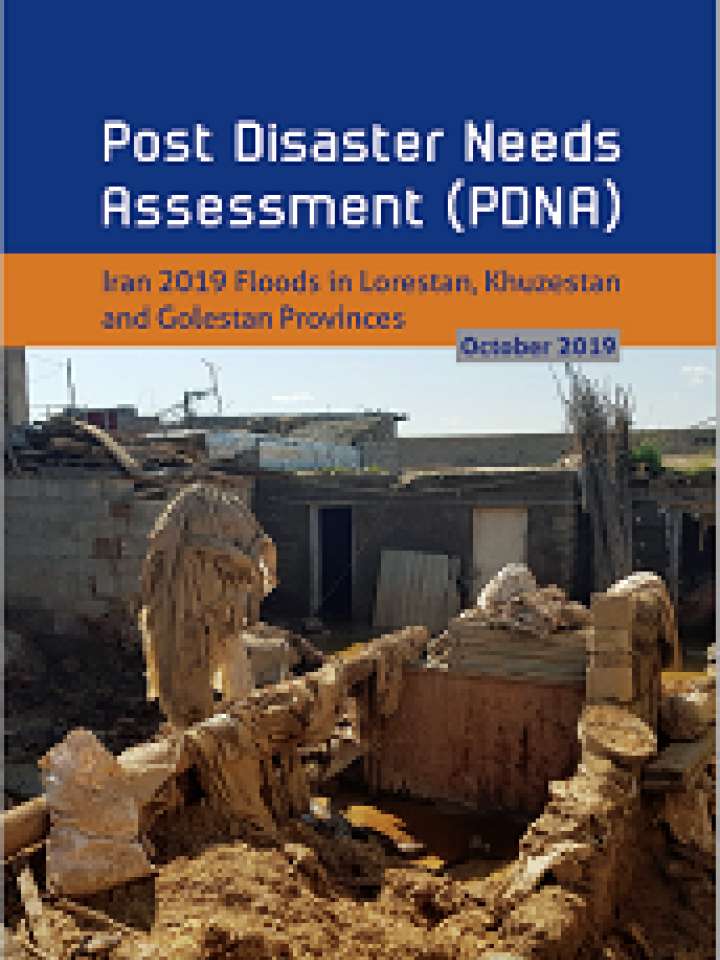
This report presents a consolidated view of damage, loss and recovery needs estimates from the 2019 floods in Iran, based on data received from various line departments and the expertise of a multi institutional and interdisciplinary assessment team.
This report provides findings from a large-scale survey conducted in 11 earthquake-affected districts in September and October 2019, four and a half years after two devastating earthquakes hit Nepal in April and May 2015.
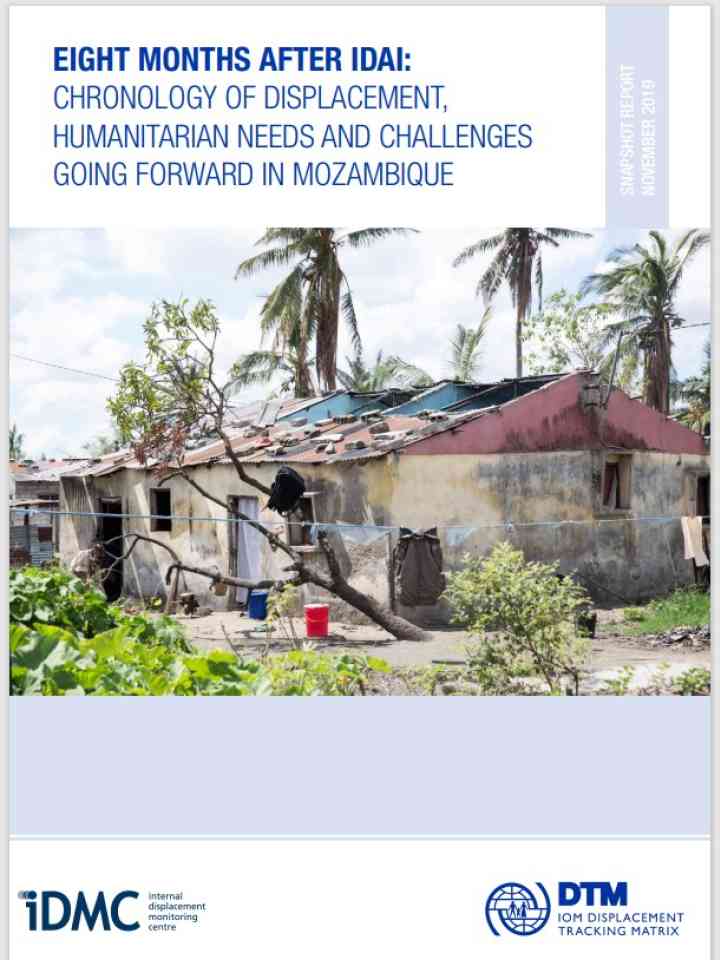
This report looks at the patterns, trends and impacts of internal displacement eight months after the passage of Cyclone Idai in Mozambique between the 4th and the 15th of March, from the initial emergency response phase to a longer-term recovery phase.
This study examined life in disaster reconstruction public housing and clarified how residents’ impressions of reconstruction relate to their sense of recovery and internal satisfaction.