This guidance presents people-centred circular approaches to rubble management and reconstruction after disasters and conflicts. It outlines practical measures to reuse and recycle rubble while supporting recovery, livelihoods and sustainable rebuilding.
United Nations Office for Project Services (UNOPS)
This report presents an analysis of the long-term impacts of the 1985 Nevado del Ruiz volcanic eruption on wellbeing and livelihoods. It investigates how social differentiation influences recovery processes and vulnerability to volcanic hazards.
This policy paper analyzes the socio-economic pressures facing Afghan returnees and host communities amid large-scale returns, climate shocks, and earthquakes, and proposes area-based recovery solutions to strengthen resilience and social cohesion.
The study advocates for a more tailored approach to disaster restoration and recovery that not only prioritizes technical and infrastructural restoration but also aligns with the specific needs and preferences of the affected populations.
International Journal of Disaster Risk Reduction (Elsevier)
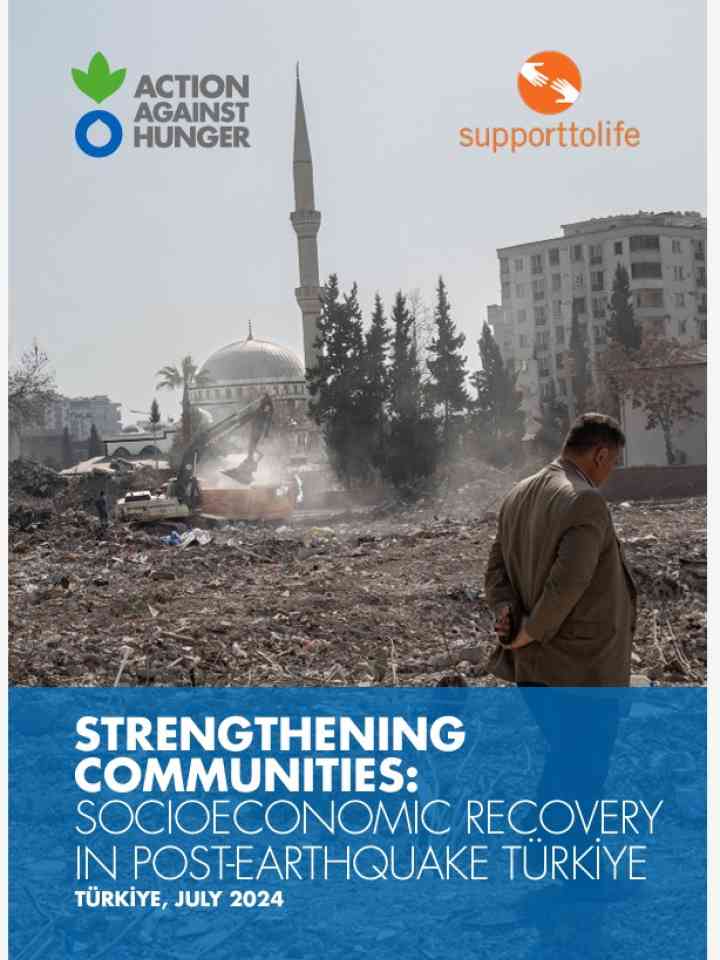
By providing a comprehensive assessment of the current socioeconomic conditions, this document aims in their efforts to contribute to the economic recovery of the areas affected by the 2023 earthquakes and support affected populations.
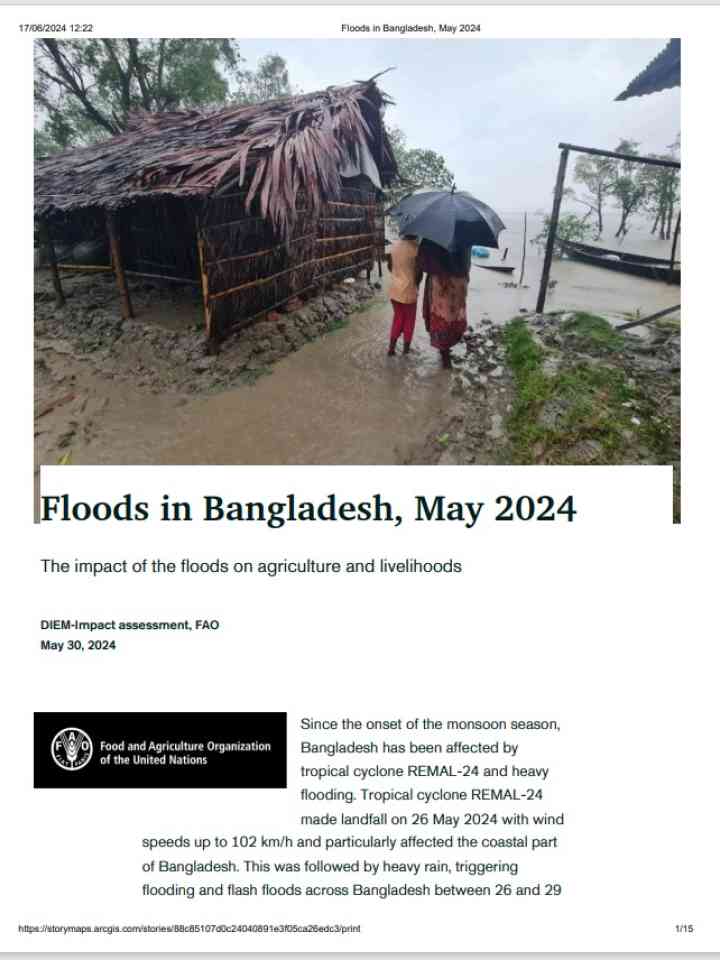
In May 2024, Bangladesh experienced severe flooding due to tropical cyclone REMAL-24 and heavy rains, affecting over 768,000 hectares of land, damaging significant agricultural areas and impacting livelihoods across the country.
Food and Agriculture Organization of the United Nations (FAO)
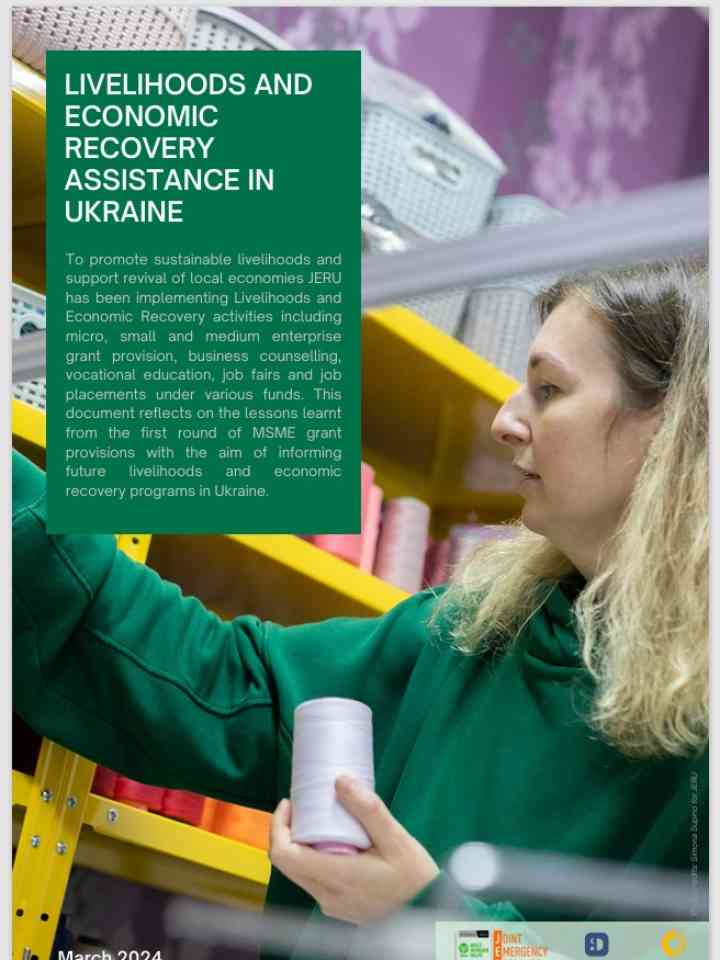
This document reflects on the lessons learnt from the first round of MSME grant provisions with the aim of informing future livelihoods and economic recovery programs in Ukraine
This learning brief focuses specifically on lessons pertaining to CORE’s small business recovery support to 58 business owners located in the Hassa business park and includes recommendations for scaling in this context.
This HEA study investigated the extent of post-earthquake recovery in the disaster zone by measuring the basic components of household livelihoods and by assessing gaps between income earned and income needed to meet basic needs.