The Handbook for Disaster Recovery Practitioners has derived learnings and good practices in the form of 'key considerations' from large-scale R&R programmes undertaken in the aft ermath of disasters from Asia and other regions.
This handbook provides a framework to identify an effective recovery strategy following a biological incident, as well as a compendium of practical, evidence-based recovery options to assist with the remediation of environmental biological contamination.
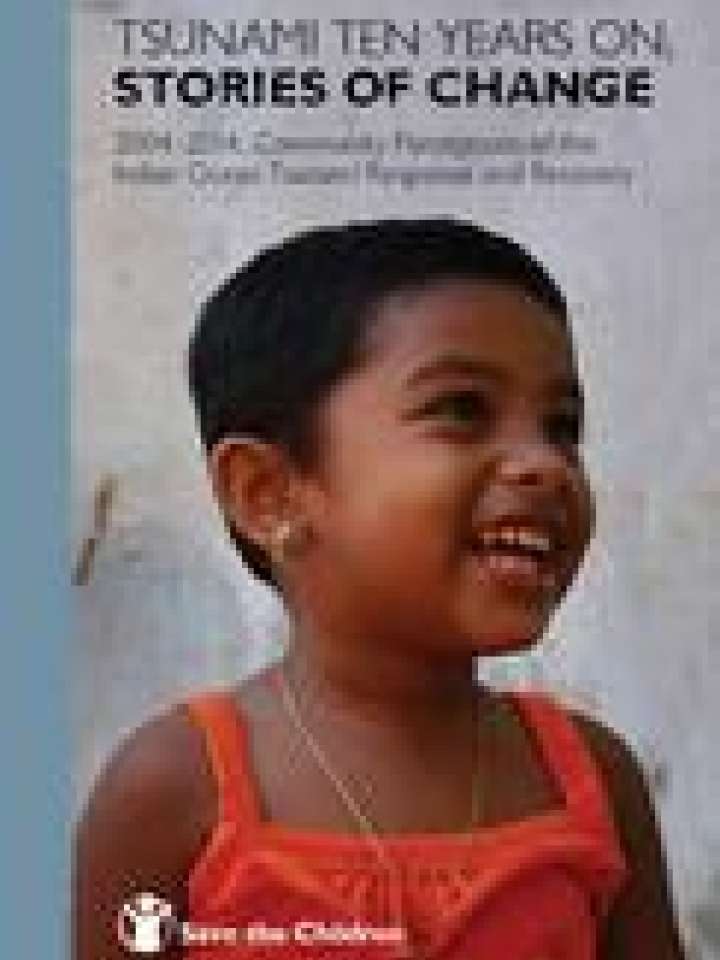
The objective of this study is to analyse the strengths, weaknesses, sustainability and impact of the 26th of December 2004 tsunami response in 2 countries, Sri Lanka and Indonesia (Aceh Province). Cutting across these themes is an assessment of whether communities are now better prepared to respond to and cope with disaster.
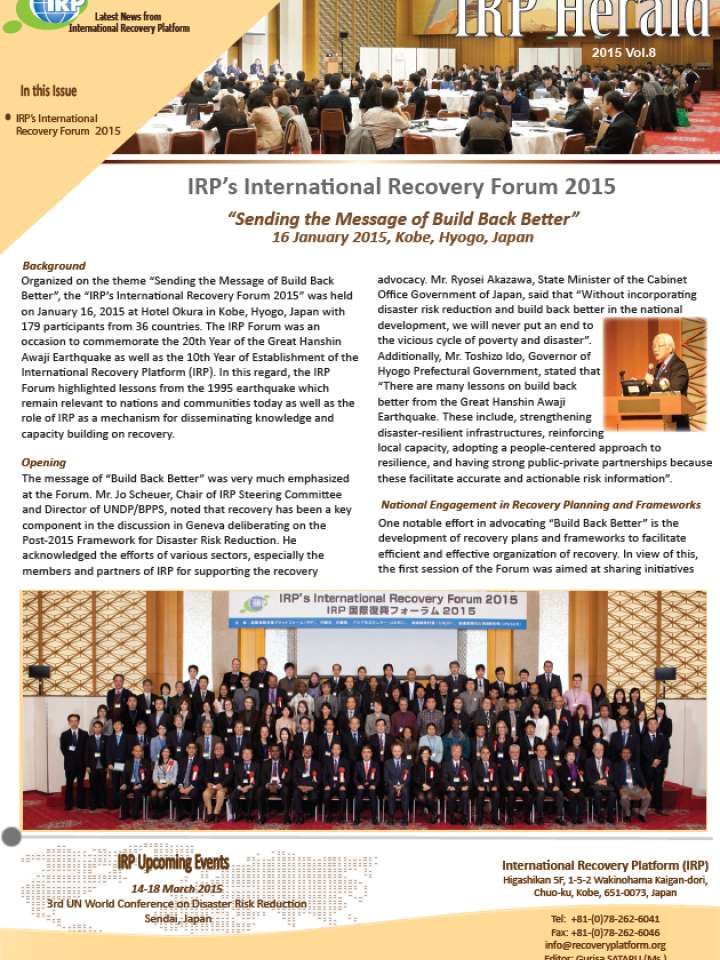
This paper reports progress and documents good practices from around the world both towards the integration of DRR in disaster recovery as well as the crucial role of recovery in promoting and institutionalising longer term DRR in government systems.
World Bank, the
Centro de Coordinación para la Prevención de los Desastres en América Central
ODI Global
United Nations Development Programme (UNDP)
International Recovery Platform
Global Facility for Disaster Reduction and Recovery, the (GFDRR)