The Fiji Shelter Handbook focuses on shelter coordination and response in Fiji. The handbook holistically supports the shelter sector’s preparedness for and response to disasters such as cyclones, floods, droughts, earthquakes and tsunamis. This support
This study aims to document evidence on the need to advance gender- and disability-inclusion in disaster recovery and also to use such evidence in mapping out pathways and entry points to make inclusion work in post-disaster contexts. Moreover, it aims to highlight the particular circumstances of women with disabilities, a “sector within a sector” that largely remains invisible in disaster risk management and development programming.
This graphic novella provides ethical representations of developing country contexts through Natalia, the novella's protagonist, whose story is about how low-income Puerto Rican families recovered from the impacts of 2017's Hurricane Maria.
Humanitarian and Conflict Response Institute, University of Manchester
The publication provides insights into the challenges and lessons of disaster recovery, emphasizing the importance of planned recovery efforts in building resilience.
Using the disaster risk reduction paradigm and United Nations principles for post-disaster interventions, this report analyses the actions of the Italian civil protection agency following the April 2009 earthquake in L'Aquila (Abruzzo, Italy), especially
This report assesses the status of IMD rain gauge stations in Kerala and identifies suitable sites for installing Automatic Weather Stations to strengthen rainfall monitoring and disaster preparedness following recent floods.
In this issue of Disaster Recovery Today focuses on strategies to support whole-community pre-disaster recovery planning, as well as obstacles and best practices to plan for such recovery.
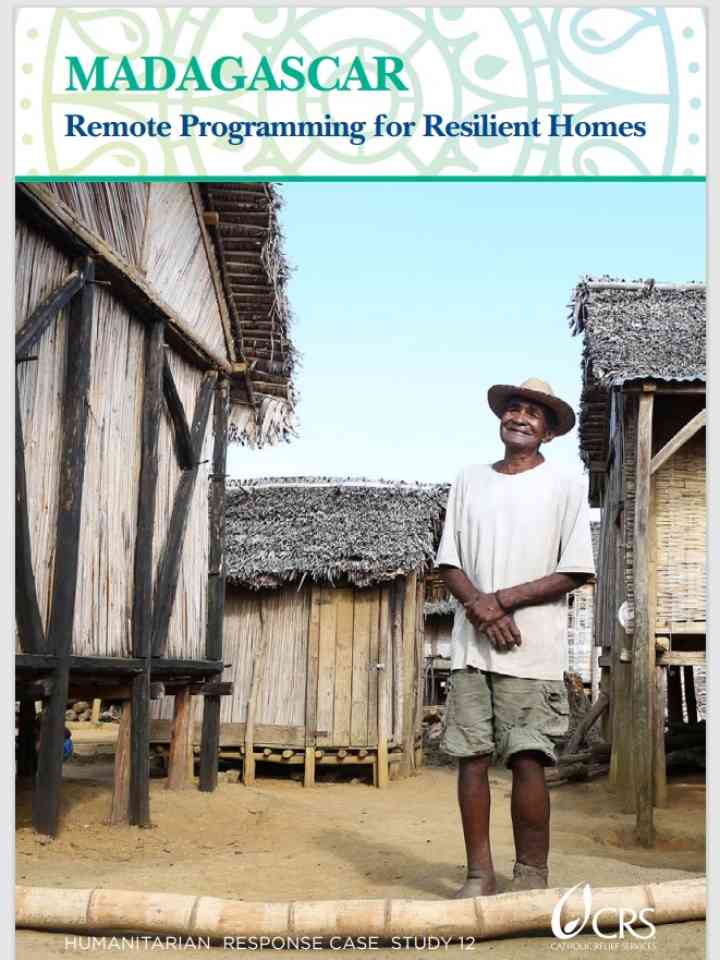
This is a report from a shelter project that built houses with strong integration of DRR for community-led recovery after two cyclones hit Madagascar in February 2012.
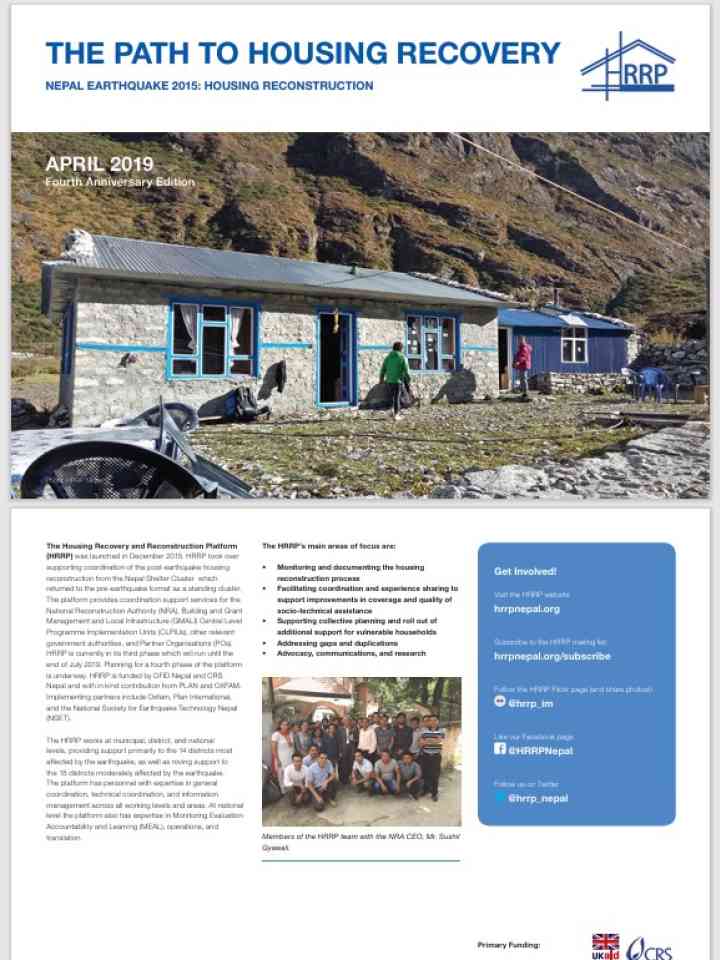
This document presents a timeline of key points so far in the housing recovery, as well as including a pre-earthquake section in an attempt to highlight the decades of work on earthquake preparedness and response in Nepal.