This report provides estimates of the potential benefits from risk reduction, risk management and recovery policies in 117 countries. These estimates provide insight into promising courses of action, but do not indicate whether or what measures need to be
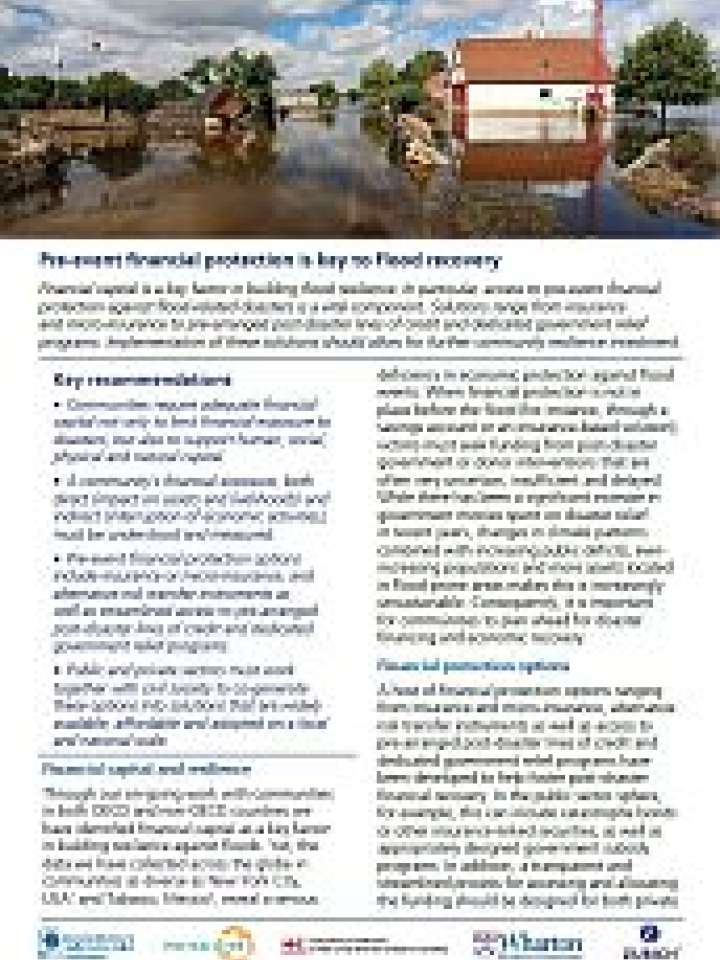
This policy brief highlights financial capital as a key factor in building flood resilience. In particular, access to pre-event financial protection against flood-related disasters is a vital component. Solutions range from insurance and micro-insurance
International Institute for Applied Systems Analysis
International Federation of Red Cross and Red Crescent Societies (IFRC)
Practical Action
Wharton Risk Management and Decision Processes Center
This publication compiles a series of impact stories and best practices on livelihoods recovery, skills development and business development in the midst of continuous eruption of Mt. Sinabung in Karo District, North Sumatra, Indonesia, since 2010.
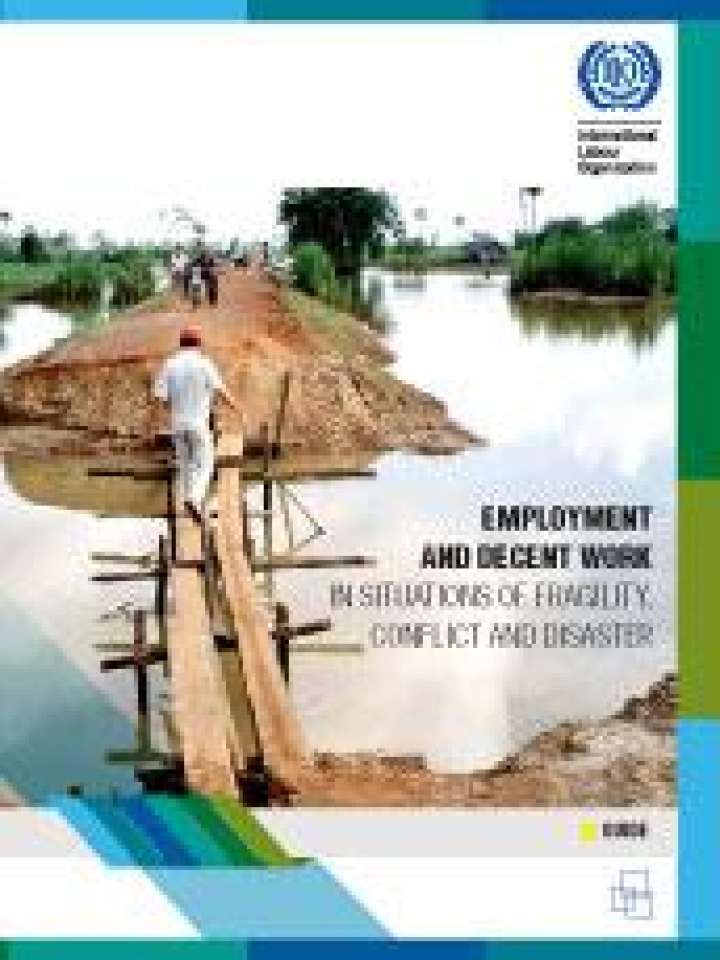
This Guide was developed to support the implementation of the Decent Work Agenda in fragile, conflict and disaster contexts in response to numerous requests from ILO officials and constituents that wished to be better informed about ILO’s capacity, added
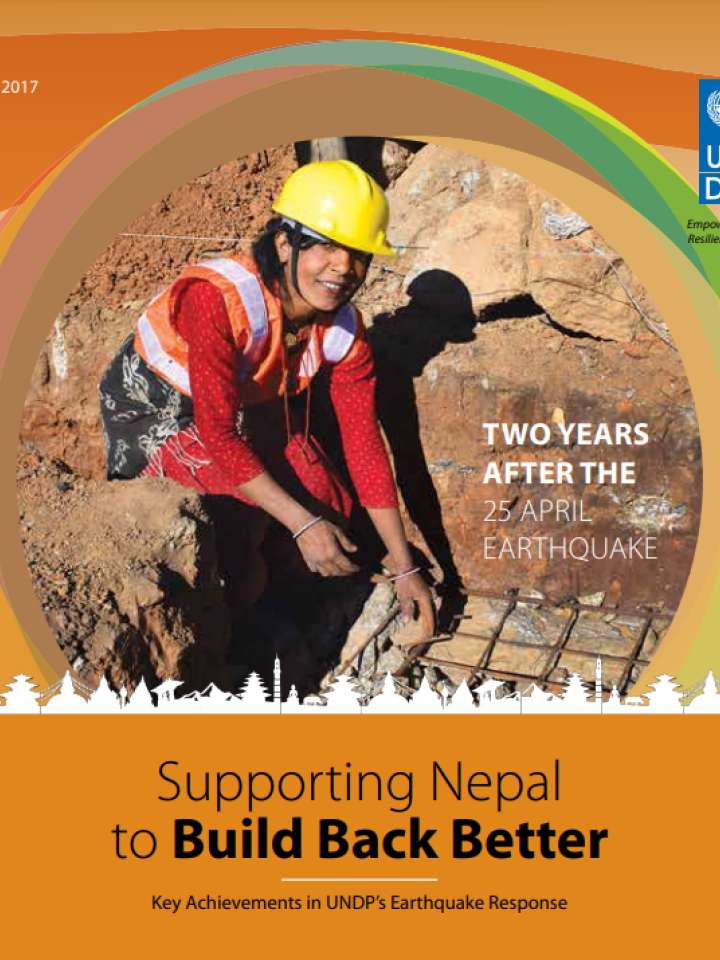
This brochure offers a succinct look at UNDP’s key contributions to Nepal’s recovery and the efforts to Build Back Better and Stronger over the past two years.
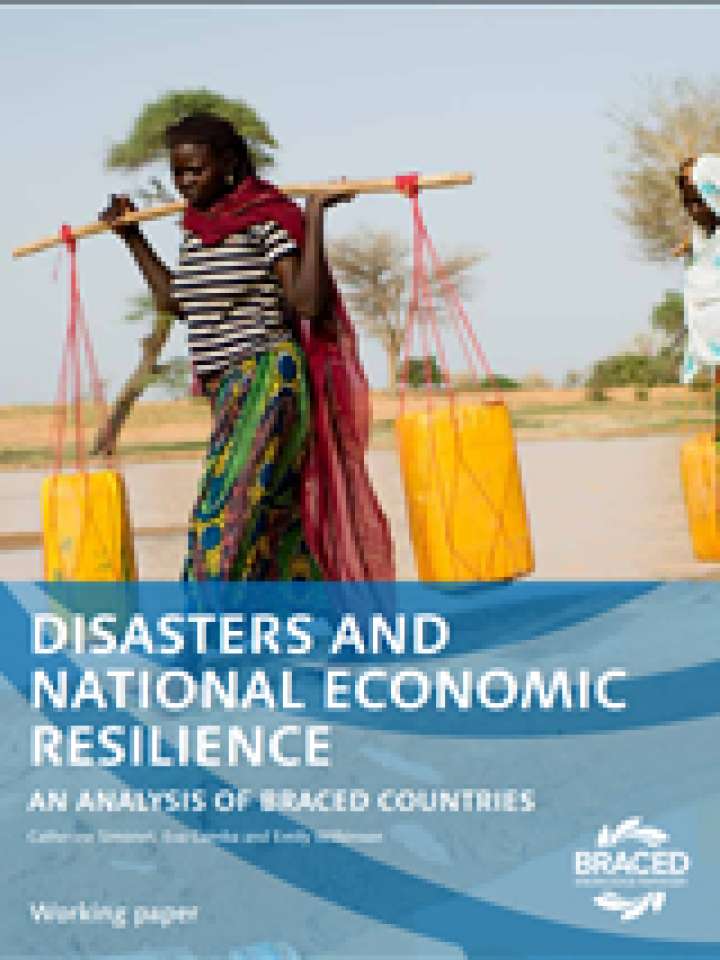
This paper provides an analysis of economic resilience at the national level, presenting a broad picture of changes in resilience to climate extremes over a 42 year period. It focuses on 12 countries in the Sahel, East Africa and Asia that are part of the
Building Resilience and Adaptation to Climate Extremes and Disasters
FEMA's Damage Assessment Operations Manual expedites decision-making and delivery of assistance by defining national standards for assessing damage and clearly outlining the information considered when evaluating requests for a major disaster declaration.
This regional framework has been developed to provide an integrated approach to address climate and disaster risks. The framework recognises the clear overlaps between climate change adaptation and disaster risk management, and the similar tools and