This knowledge report highlights the key lessons and recommendations emerging from the discussions during the 15 sessions of the 5th World Reconstruction Conference.
United Nations Office for Disaster Risk Reduction (UNDRR)
United Nations Development Programme (UNDP)
Global Facility for Disaster Reduction and Recovery, the (GFDRR)
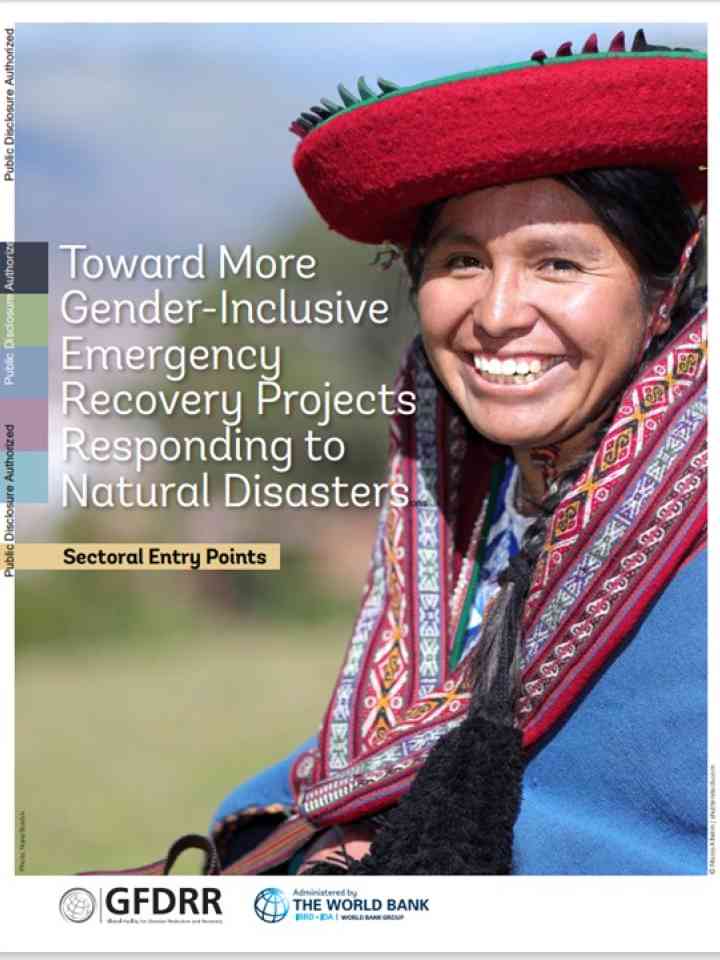
The objective of this guidance note is to identify entry points for gender considerations in sectors typically financed by Emergency Recovery Projects.
World Bank, the
Global Facility for Disaster Reduction and Recovery, the (GFDRR)
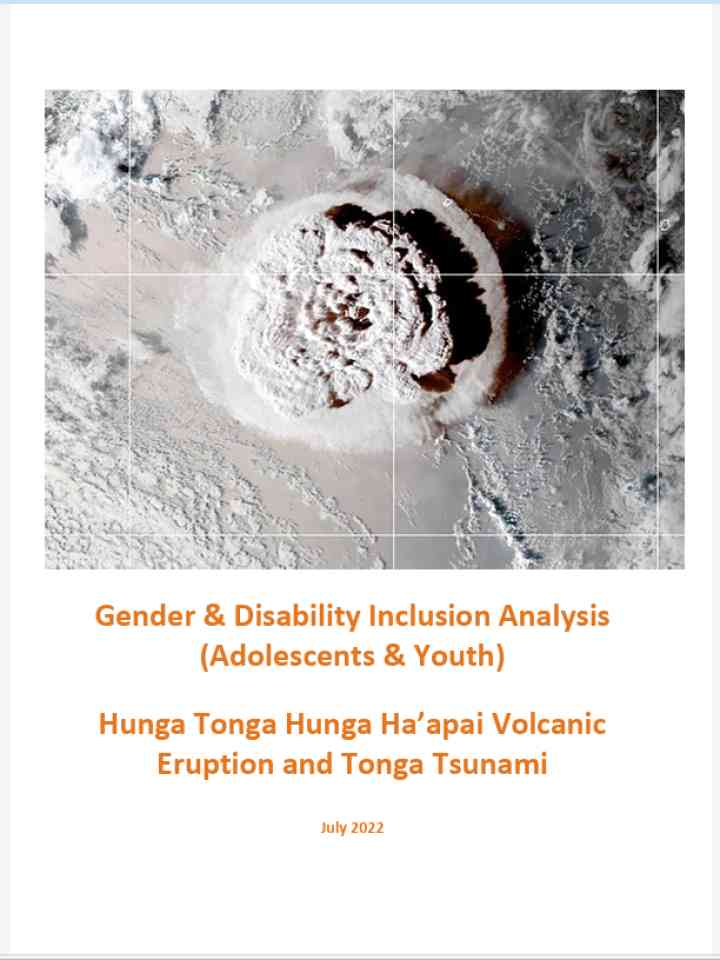
This analysis examines how the Hunga Tonga–Hunga Haʻapai volcanic eruption and tsunami affected adolescents and youth, including those with disabilities, highlighting gendered impacts, protection risks, and inclusion gaps in response and recovery.
The Joint Communique sets out the agreements reached at the conclusion of the 5th Edition of the World Reconstruction Conference on 23-25 May 2022 in Bali, Indonesia.
World Bank, the
Global Facility for Disaster Reduction and Recovery, the (GFDRR)
United Nations Development Programme (UNDP)
United Nations Development Programme (UNDP)
United Nations Office for Disaster Risk Reduction (UNDRR)
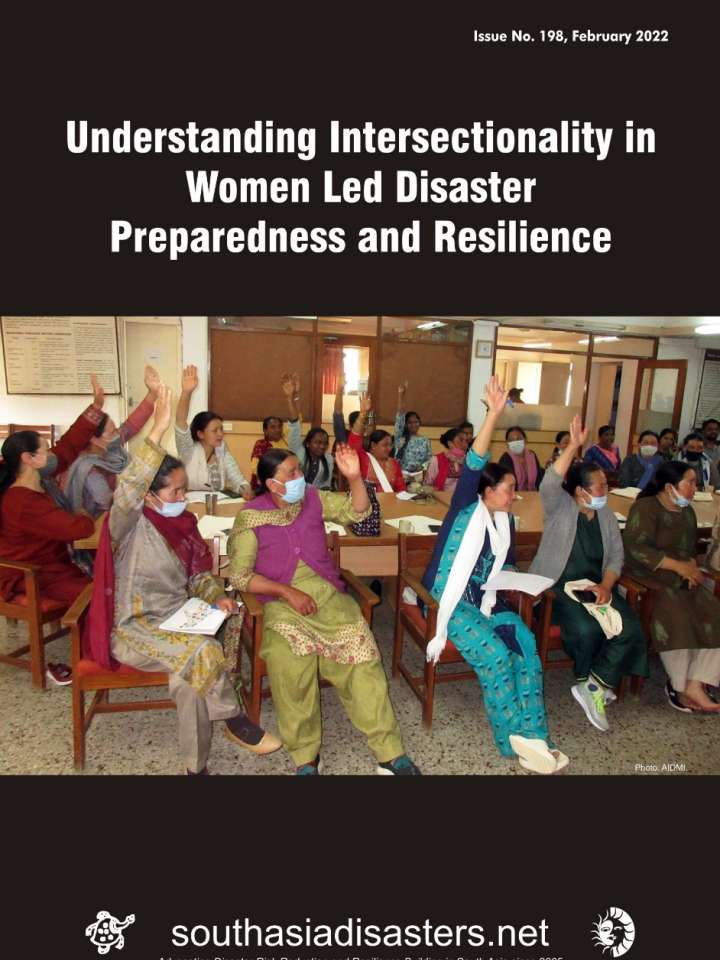
This issue highlights the interplay of risk, resilience and gender. It seeks to highlight the concept of ‘differentiated vulnerability’ to disasters and extreme events as experienced by women and girls as compared to boys and men.
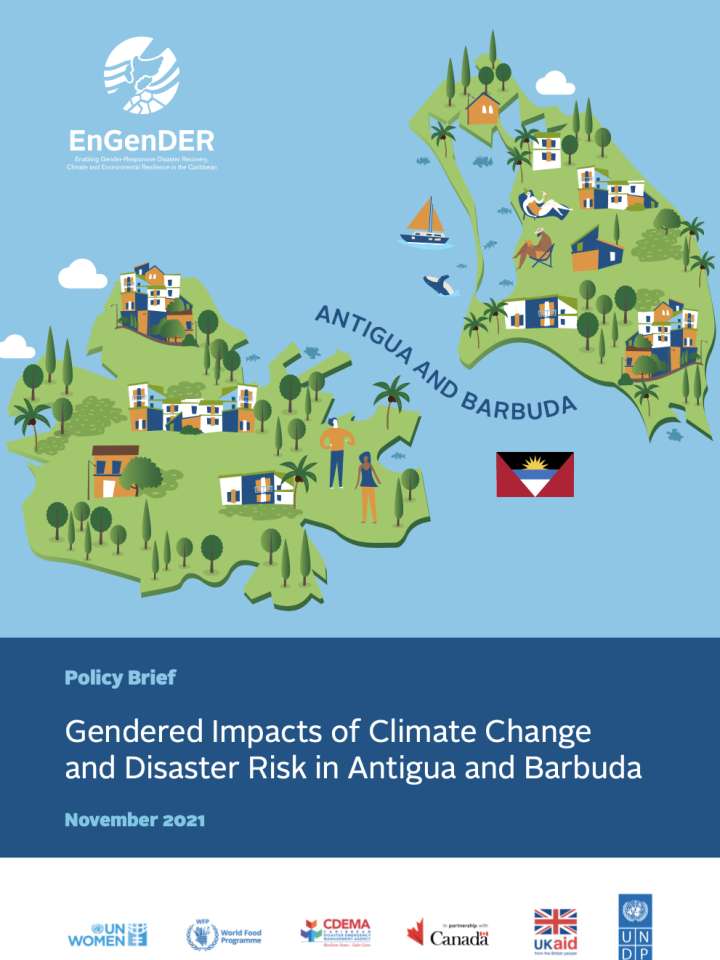
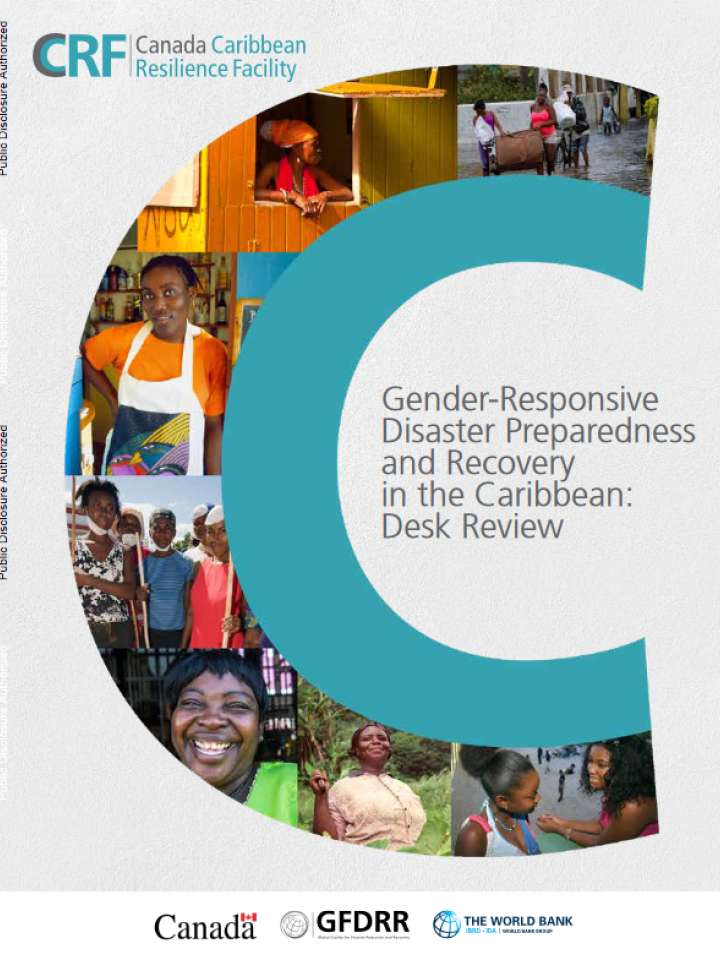
The aim of the Enabling Gender-Responsive Disaster Recovery, Climate and Environmental Resilience in the Caribbean (EnGenDER) Project is to identify and address any gaps to ensure equal access to resilience, climate change and environment solutions.
United Nations Entity for Gender Equality and the Empowerment of Women (UN WOMEN)
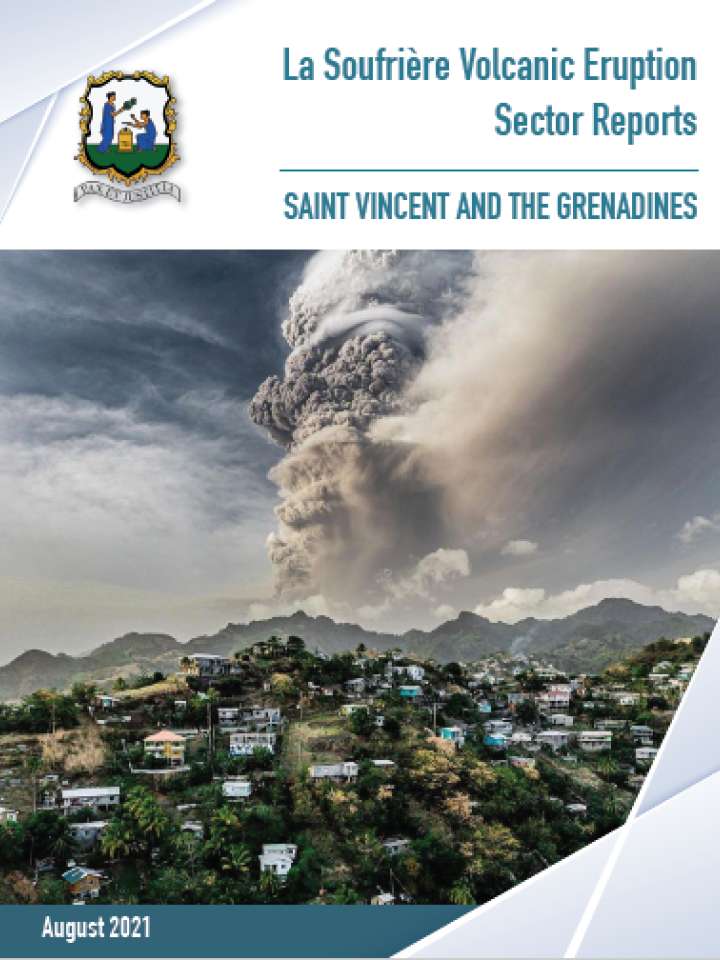
These documents present the background, context, effects, impact, recovery needs and recovery strategy of the devastation of the La Soufrière Volcanic Eruption on St. Vincent and the Grenadines within the context of a PDNA.
This evaluation is intended to provide reliable and timely information to guide the formulation of short and long- term recovery strategies from the impacts of the COVID-19 pandemic.
This Handbook highlights the importance of localization of the SDGs, helps assess the impact of COVID-19 on women’s economic security and recovery, and offers tools to develop feasible solutions for economic recovery and gender equality.