The Middle East & North Africa Climate Roadmap will bring climate and development together by adopting an economy-wide, whole of government approach to strengthen institutions, overcome barriers to private sector engagement, foster regional integration.
This Missouri Disaster Recovery Framework a guide designed to ensure better recovery planning, effective communication and coordination, and strategic collaboration at all levels of government and with whole community partners.
The Planning Guide provides the rehabilitation and recovery framework, the rehabilitation planning process and plan structure, institutional arrangements for plan coordination, implementation mechanisms, and proposed monitoring and evaluation arrangements
Office of Civil Defense (Philippines)
National Disaster Risk Reduction and Management Council (Philippines)
This document integrates the Sustainable Development Goals (SDGs) as a monitoring tool for area-based recovery interventions, proving insights into the future of cities based on existing trends, challenges, and opportunities in Syria.
United Nations Human Settlements Programme (UN-HABITAT)
The Asia-Pacific Disaster Report 2021 addresses the complexity of these converging and cascading risks by analysing natural and biological hazards simultaneously.
United Nations Economic and Social Commission for Asia and the Pacific (UN-ESCAP)
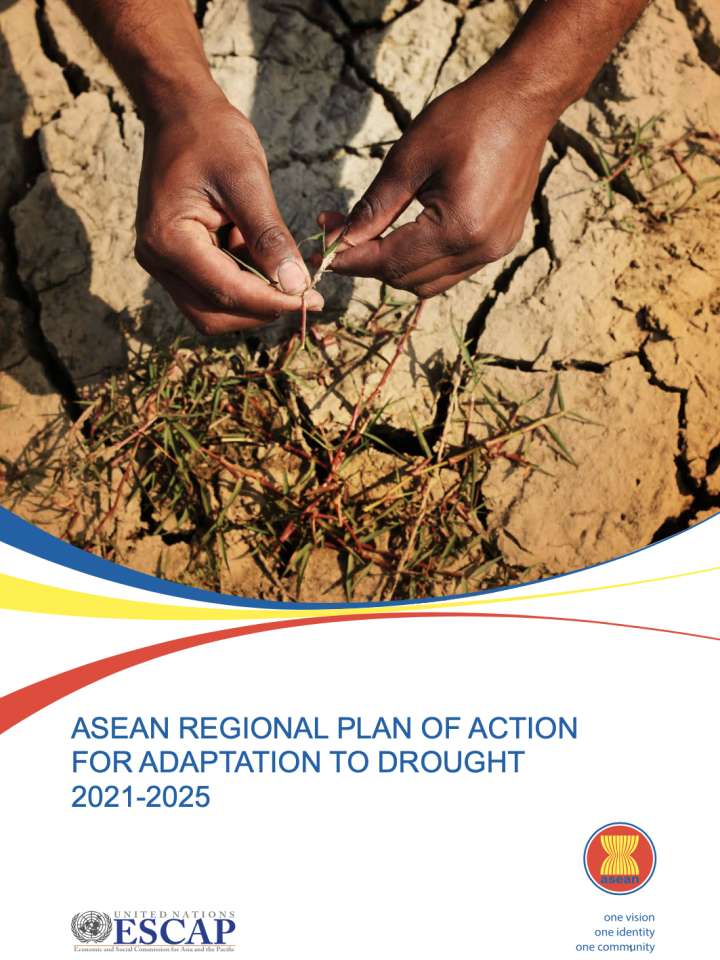
This report aims to enhance coordination at the regional and national (international) level for achieving sustainable management of drought by considering the impact of drought on the livelihood of people, natural resources and ecosystem.
United Nations Economic and Social Commission for Asia and the Pacific (UN-ESCAP)
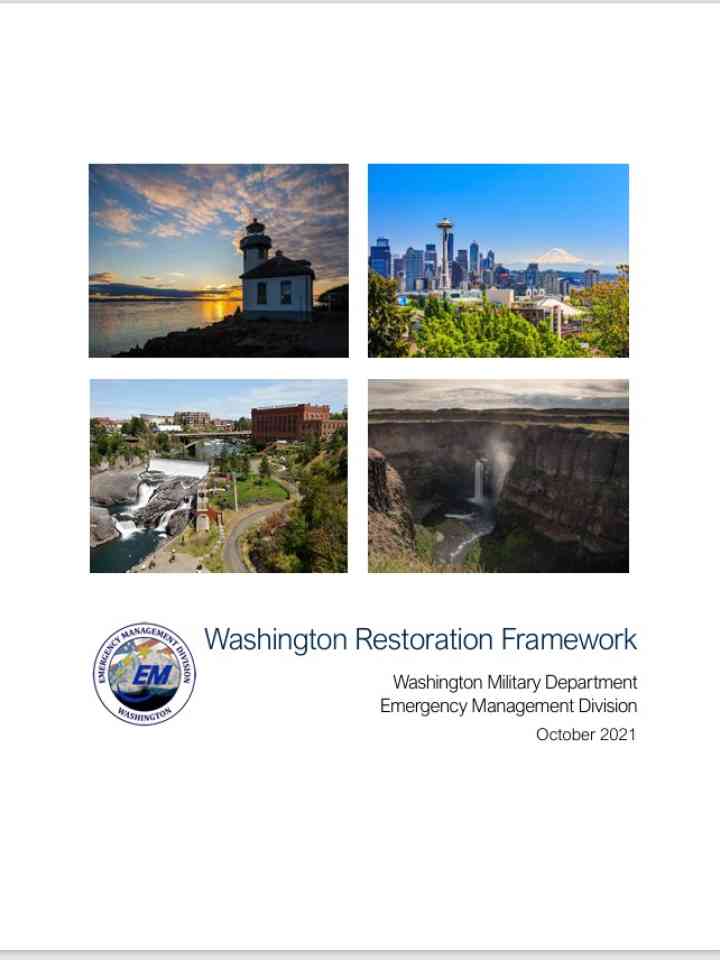
The Washington Restoration Framework (WRF) outlines the partnerships and organizational structures necessary to successfully manage a flexible and scalable recovery.
Washington State Military Department - Emergency Management Division
The rapid needs assessment for Kerala following flooding/landslides, emphasising Water, Sanitation and Hygiene (WASH), Education (Schools), Food and Nutrition (Anganwadi centres, etc.), Protection, Health, etc in the most affected four districts.
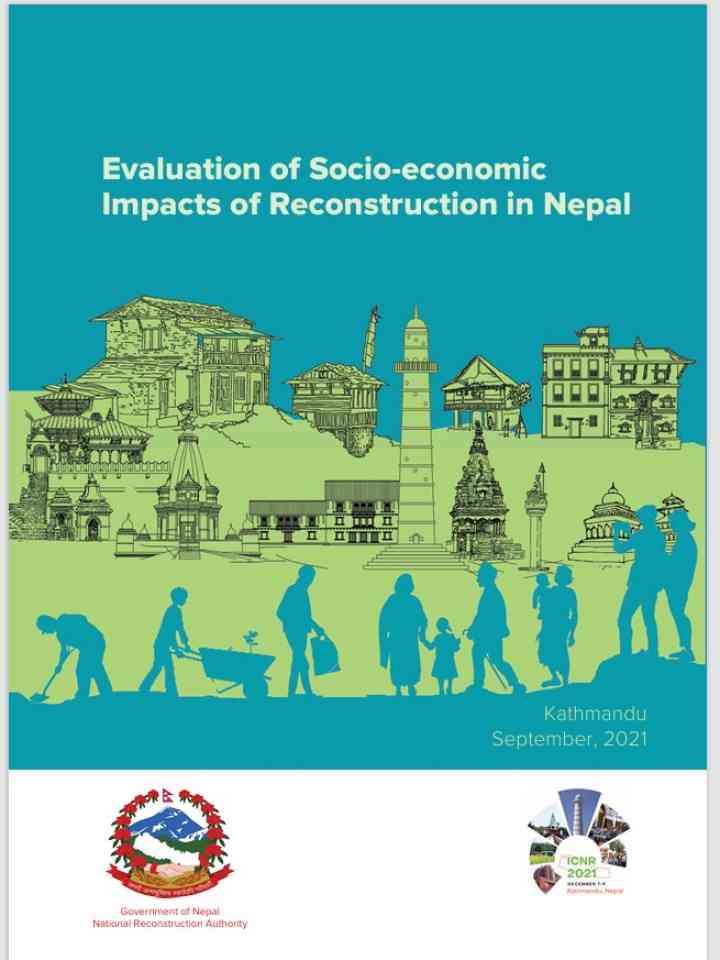
The objective of this study is to evaluate the socio-economic impact of post-earthquake reconstruction and recommend institutional frameworks to sustain and build on the gains of reconstruction after the closure of the National Reconstruction Authority.