This book, consisting of two parts, the theory of Total Disaster Risk Management (TDRM) and good practices for disaster risk management, was compiled for the purpose of promoting TDRM as a comprehensive approach to disaster risk reduction worldwide.
In this report, the Secretaries-General of the Commonwealth resolves to:
(a) develop inventories of the advance warning resources and systems available in each of the Caribbean, Indian and Pacific Ocean regions; and through this, to
(b) identify aspects
The document addresses the problems faced by Haiti, a country with an agro-based economy whose general livelihood systems have been seriously affected by recurrent onslaught of weather-related disasters.
Food and Agriculture Organization of the United Nations (FAO)
This is a summary report of the International Symposium which was held on January 15 to share information and exchange knowledge to build up disaster-resilient countries using the recovery processes developed on the basis of the experience and lessons learned from natural disasters. At the same time, the Symposium discussed international cooperation for further promotion of the HFA.
World Bank, the
International Federation of Red Cross and Red Crescent Societies (IFRC)
United Nations Human Settlements Programme (UN-HABITAT)
兵庫県 Hyogo Prefectural Government
International Labour Organization (ILO)
International Recovery Platform
Ministry of Foreign Affairs of Japan
United Nations Office for the Coordination of Humanitarian Affairs
United Nations Office for Disaster Risk Reduction - Kobe Office
This book is the latest in a series of volumes addressing natural disasters, and how their impact can be reduced by effective capacity building and prevention strategies.
A fully illustrated, 200-page book, Risk Wise offers perspectives, case studies and
This book seeks to provide the analytical tools needed to enhance national capacity for disaster response. The editors and authors begin with an overview that summarizes key lessons learned form the six country case studies in the volume. Next, they
This policy aims to guide government objectives and strategies in order to guarantee the security and safety of Timor-Leste's citizens and their property and to safeguard its natural resources against natural or human-induced disasters.
This report, from the Office of the Secretary-General’s Special Envoy for Tsunami Recovery, former U.S. President Bill Clinton, documents the status of the recovery effort at two years after the occurrence of the earthquake off the coast of Sumatra on December 26, 2004 and the tsunami it triggered.
Office of the Secretary-General's Special Envoy for Tsunami Recovery
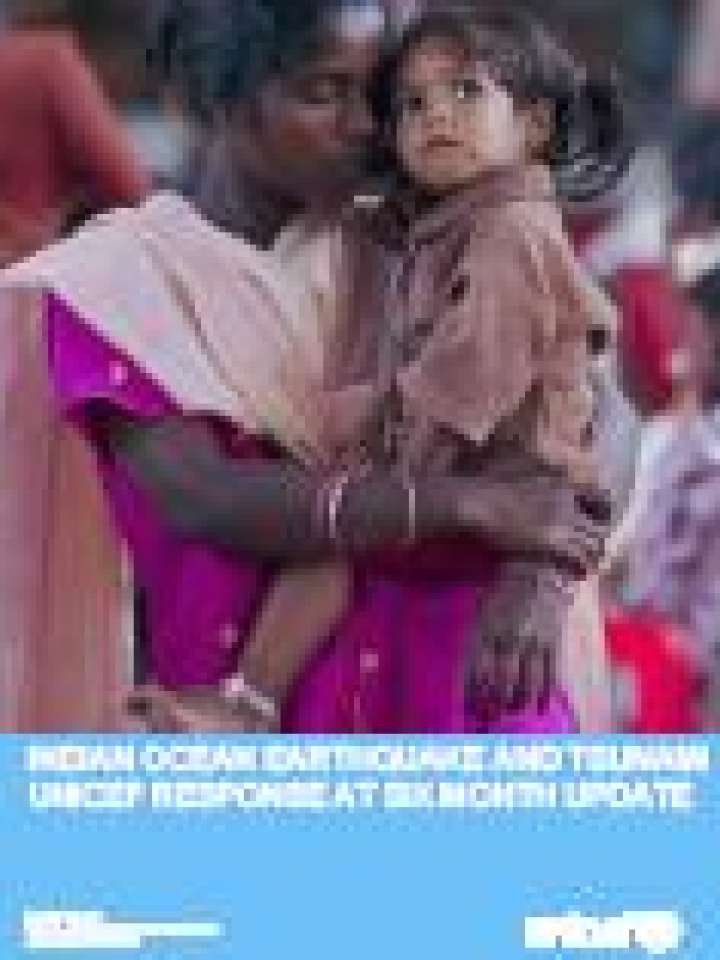
This update marks six months since a massive earthquake off the coast of Sumatra triggered the worst natural catastrophe in living memory. Within this relatively short period of time, a great deal has changed: the dead have been buried, the homeless have