This study finds that frequency of previous disasters and emergency period plays a huge role in disaster management, especially in government commitment, and risk management in general. Disasters with shorter emergency period tend to be better at task
n additional to a case study on recovery in Nepal, this report presents the GFDRR approach including Strengthen recovery systems; Assessing needs and planning recovery; Ensuring coordination; Leverage financing for recovery; Resilience through recovery.
Global Facility for Disaster Reduction and Recovery, the (GFDRR)
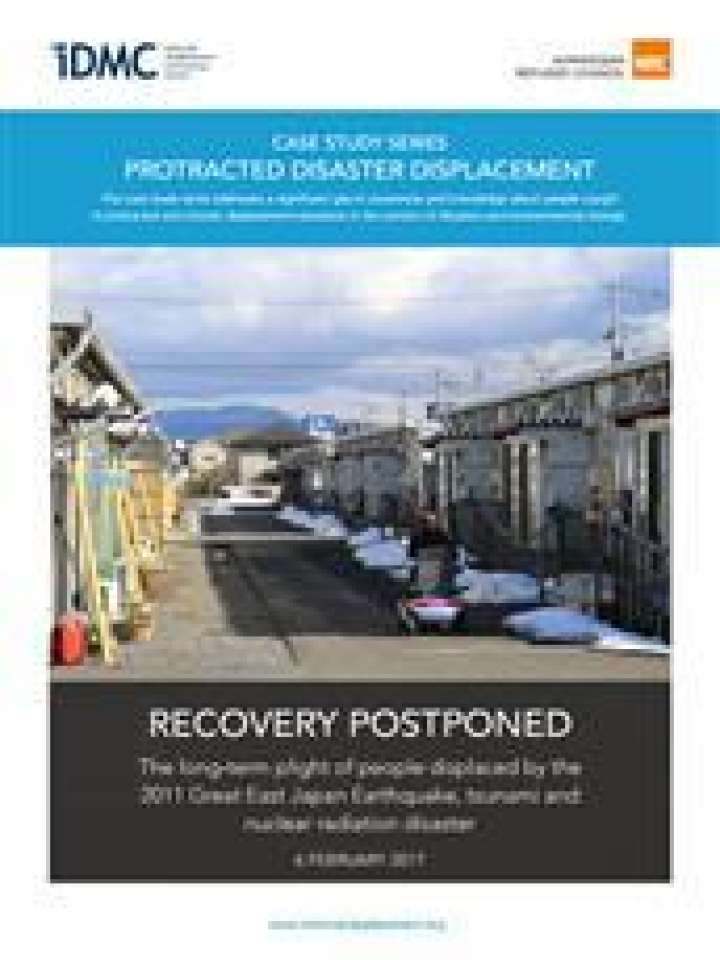
This document discusses how almost six years after the 2011 Great East Japan Earthquake, despite the overall good recovery progress, some areas have lagged behind and 134,000 evacuees continue to live in displacement. Prolonged and protracted displacement has had profound and disproportionate impacts on the more vulnerable members of society, particularly older people.
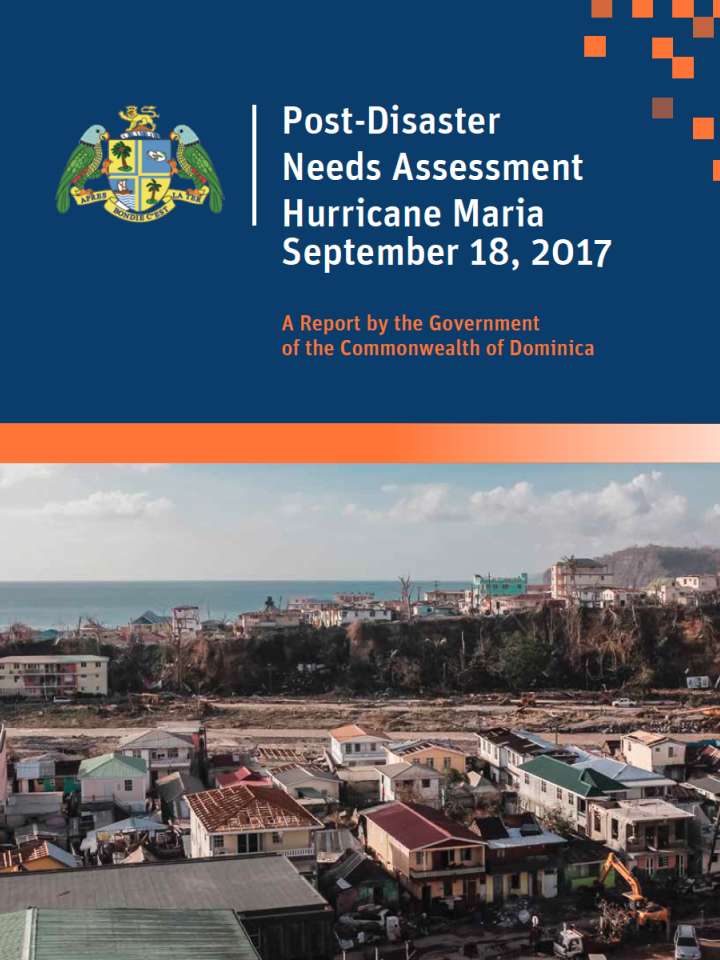
The PDNA report covers the damage, losses, and recovery needs across various sectors following Hurricane Maria in 2017. A recovery strategy and summary of identified priority actions for recovery is included in the report.
Dominica - government
Global Facility for Disaster Reduction and Recovery, the (GFDRR)
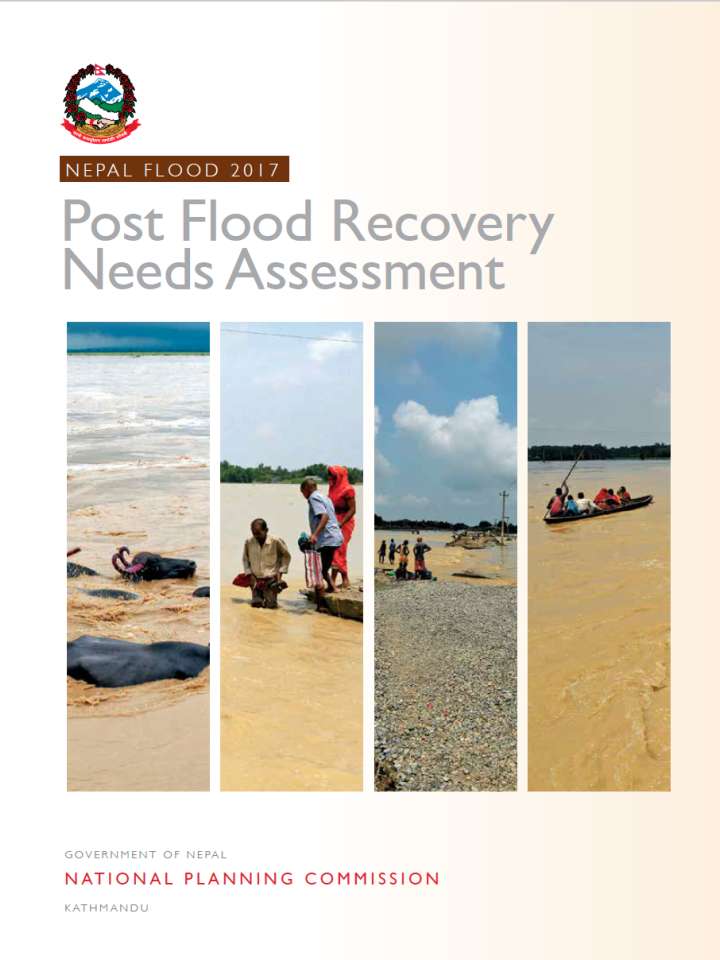
The Post Flood Recovery Needs Assessment offers an objective basis for recovery planning and measures for reducing future risks. It estimates the impact of the 2017 floods that affected the Terai region and to identify medium-term recovery needs.
Nepal - government
Global Facility for Disaster Reduction and Recovery, the (GFDRR)
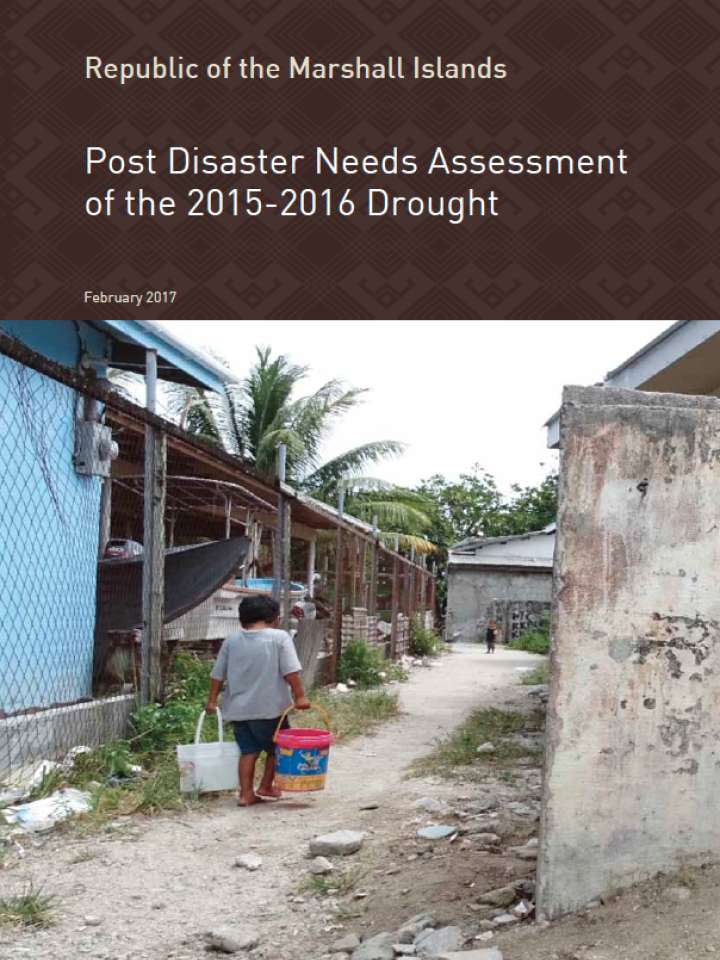
This report is a rapid socio-economic assessment of the sectors impacted by the 2015-2016 drought in the Republic of the Marshall Islands. This assessment is the first PDNA of a drought in the Pacific.
Marshall Islands - government
Global Facility for Disaster Reduction and Recovery, the (GFDRR)
This paper discusses the post-conflict health system recovery process, including integration of disaster risk reduction (DRR) into health recovery interventions, its strengths, challenges and lessons learnt. It seeks to inform the post-2015 Hyogo Framework for Action (HFA) post-conflict/disaster health system recovery agenda in Africa.
United Nations Office for Disaster Risk Reduction (UNDRR)
This report outlines and examines the changes made to Humanitarian Assistance and Disaster Relief (HADR) in the Philippines based on lessons from Super Typhoon Haiyan.
This study looks in detail at two very different floods: Columbia and Charleston floods, which occurred due to the October 2015 torrential rainfall and flooding in South Carolina. Based on interviews with impacted households and people involved in risk
Institute for Social and Environmental Transition - International (ISET)