This document summarizes the proceedings of the symposium on “Reconstruction and Invigoration of Disaster-hit Areas – Viewpoints from Rikuzentakata”. It describes the reconstruction process, highlighting the communities and business role played on it. It also includes a chapter on challenges and future perspectives towards building a sustainable society, highlighting good practices and success factors.
This document presents the outcomes of a survey conducted by the Calgary Chamber of Commerce with the aim to better understand the full impacts of the flood that occurred in 2013, and to assess both disaster mitigation efforts and flood recovery programs
This report analyses the indirect, economic costs and in particular the effects on economic output in 2015 due to the Ebola epidemic. The results underscore the importance of Ebola and broader pandemic preparedness towards disaster risk reduction in
This paper reports progress and documents good practices from around the world both towards the integration of DRR in disaster recovery as well as the crucial role of recovery in promoting and institutionalising longer term DRR in government systems.
World Bank, the
Centro de Coordinación para la Prevención de los Desastres en América Central
ODI Global
United Nations Development Programme (UNDP)
International Recovery Platform
Global Facility for Disaster Reduction and Recovery, the (GFDRR)
The Women's Resilience Index (WRI) assesses countries capacity for risk reduction in disaster and recovery, and the extent to which women are considered in national efforts. It measures and compares the disaster resilience of South Asian countries
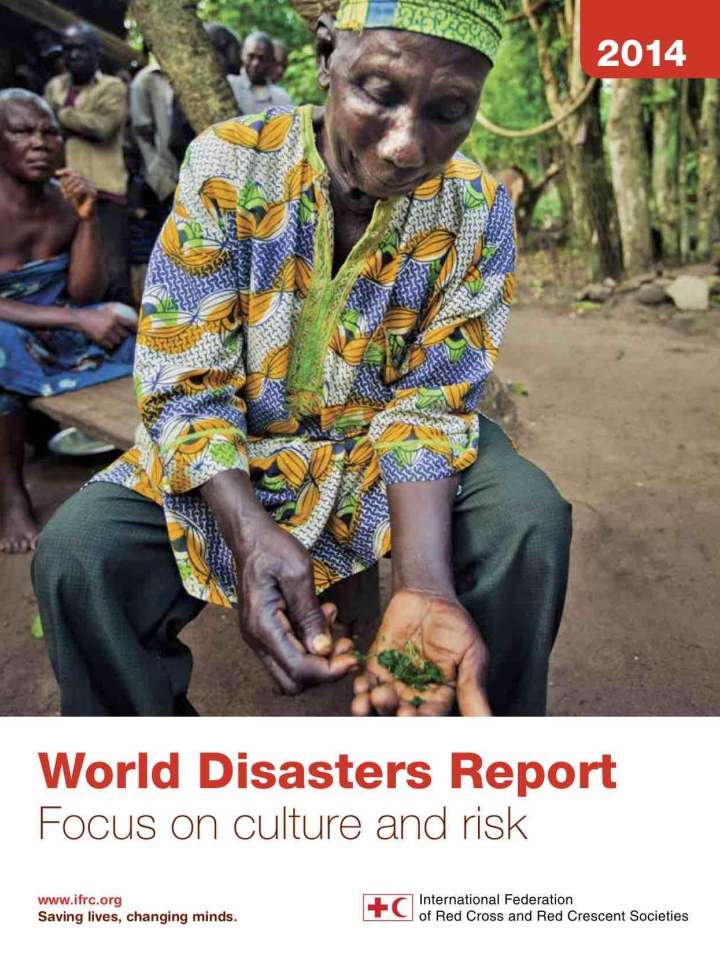
This year’s World Disasters Report focuses on culture and risk. It explores the different ways in which culture affects disaster risk reduction and climate change adaptation and how disasters and risk influence culture. It examines why people choose to
International Federation of Red Cross and Red Crescent Societies (IFRC)
An official document formally adopted by UN Member States as the outcome of the Third International Conference on Small Island Developing States, in which countries recognize the need to support and invest in these nations so they can achieve sustainable
United Nations Department of Economic and Social Affairs (UN DESA)
This study analyses the post-disaster recovery planning policy following the eruption of Mount Merapi in 2010 in Indonesia and the extent to which it has been facilitating the socio-economic recovery efforts of communities in an effective, efficient and sustainable way in order to reduce the socio-economic vulnerabilities that exist. The study uses a qualitative analysis of in-depth interviews of vulnerable groups that may be affected by the disaster and the actors involved in the recovery process.
A sectoral assistance policy under the Official Development Assistance (ODA) Charter and the medium-term policy on ODA, intended to strengthen appropriate measures against tsunami and other various natural disasters, launched on the occasion of the World