The study advocates for a more tailored approach to disaster restoration and recovery that not only prioritizes technical and infrastructural restoration but also aligns with the specific needs and preferences of the affected populations.
International Journal of Disaster Risk Reduction (Elsevier)
The study analyzes how the COVID-19 pandemic affected student learning in rural Pakistan by analysing test scores across more than 100 villages in Punjab to understand how school closures, health shocks, and income losses influenced learning outcomes.
This academic study explores how rural communities in Western Australia rely on self-reliance to recover from extreme weather, while facing growing limits to long-term resilience under climate change.
International Journal of Disaster Risk Reduction (Elsevier)
This study investigates the role of Child-Friendly Green Spaces (CFGS) in supporting children's psychological, physical, and educational recovery in the wake of disasters.
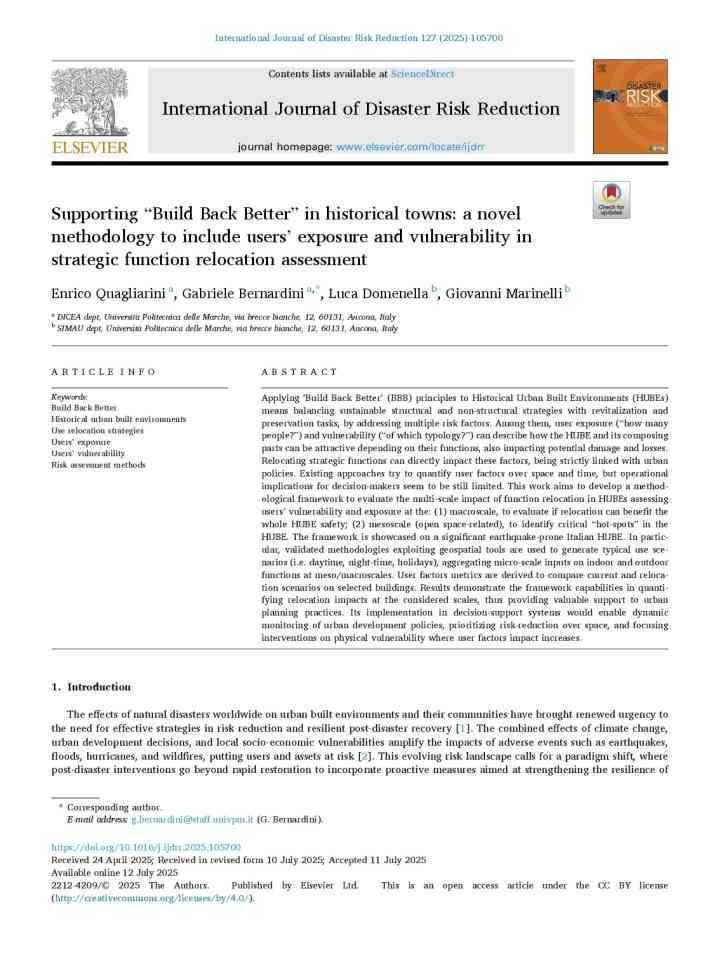
This work aims to develop a methodological framework to evaluate the multi-scale impact of function relocation in Historical Urban Built Environments (HUBEs) assessing users' vulnerability and exposure.
International Journal of Disaster Risk Reduction (Elsevier)
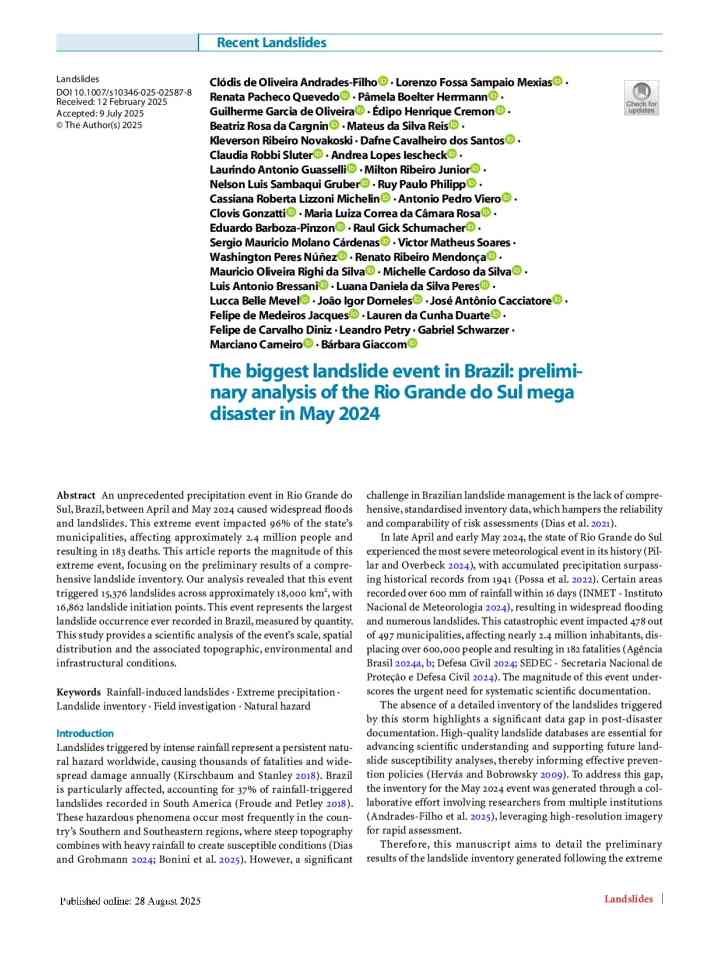
This paper provides the preliminary results of an inventory of the landslides triggered by the late April and early May 2024 storm, in which the state of Rio Grande do Sul in Brazil experienced the most severe meteorological event in its history.
This paper quantifies the short-run economic impact of 21 Atlantic hurricanes on U.S. local business activity from 2017 to 2024 using anonymized Mastercard transaction data aggregated by ZIP code.
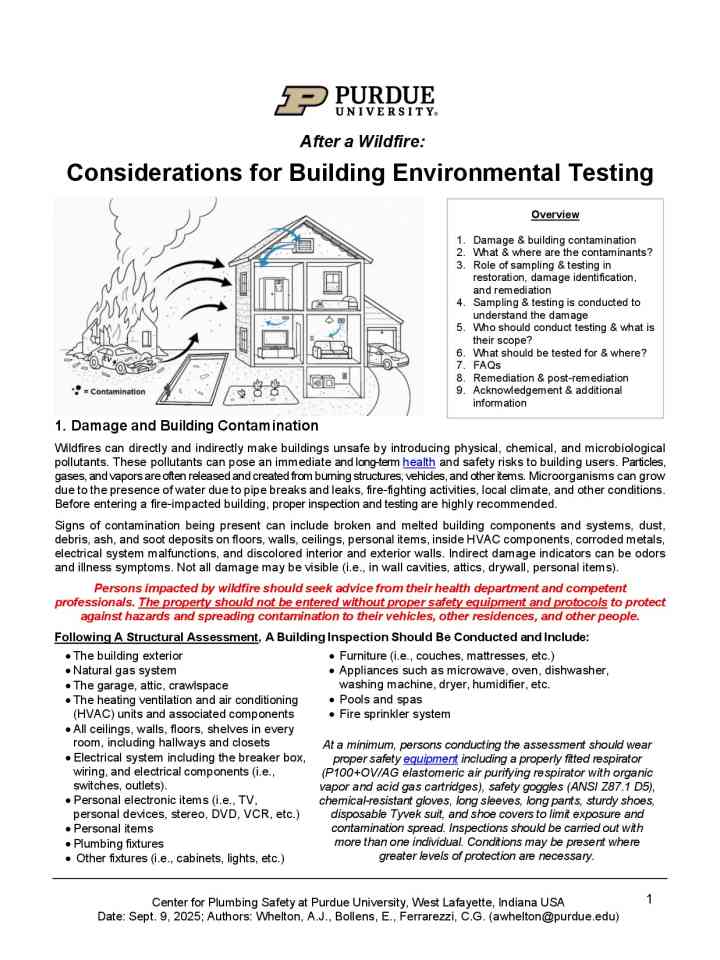
This resource, made accessible for property owners and health officials, is designed to help people better understand and resolve building safety questions in recovery after wildfires.
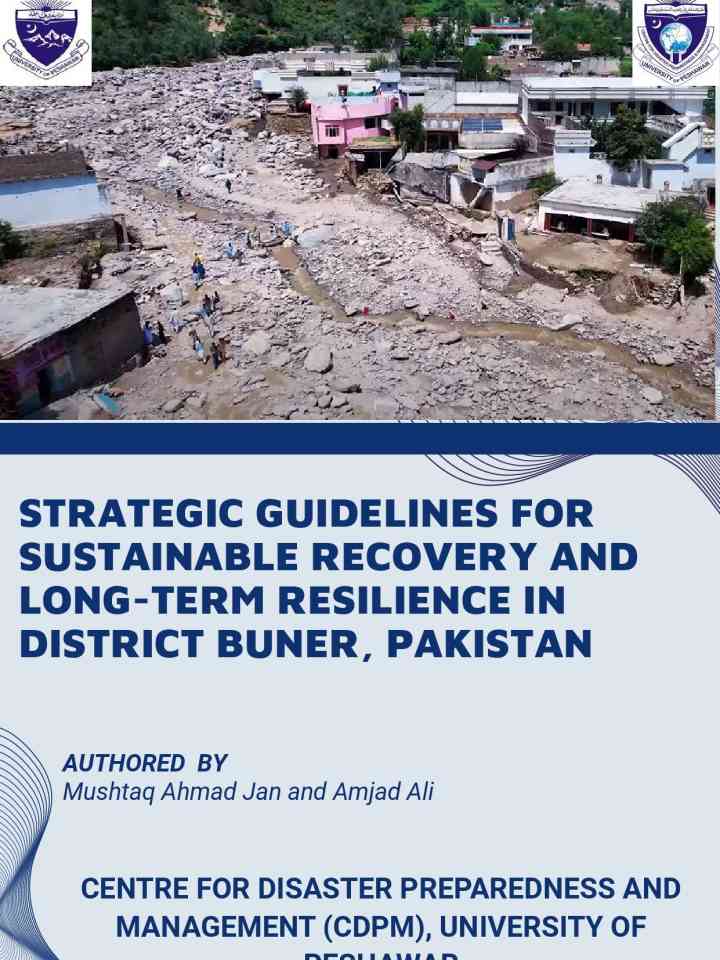
This report presents strategic guidelines for developing a comprehensive recovery framework through three core principles: people-centered and rights-based approach, "build back better and smarter", a multi-sectoral and synergistic approach.
This report presents findings from IOM’s September 2025 multi-sectoral community needs assessment, following the 2023 earthquakes, highlighting persistent vulnerabilities in water access, livelihoods, shelter, health, and humanitarian assistance.