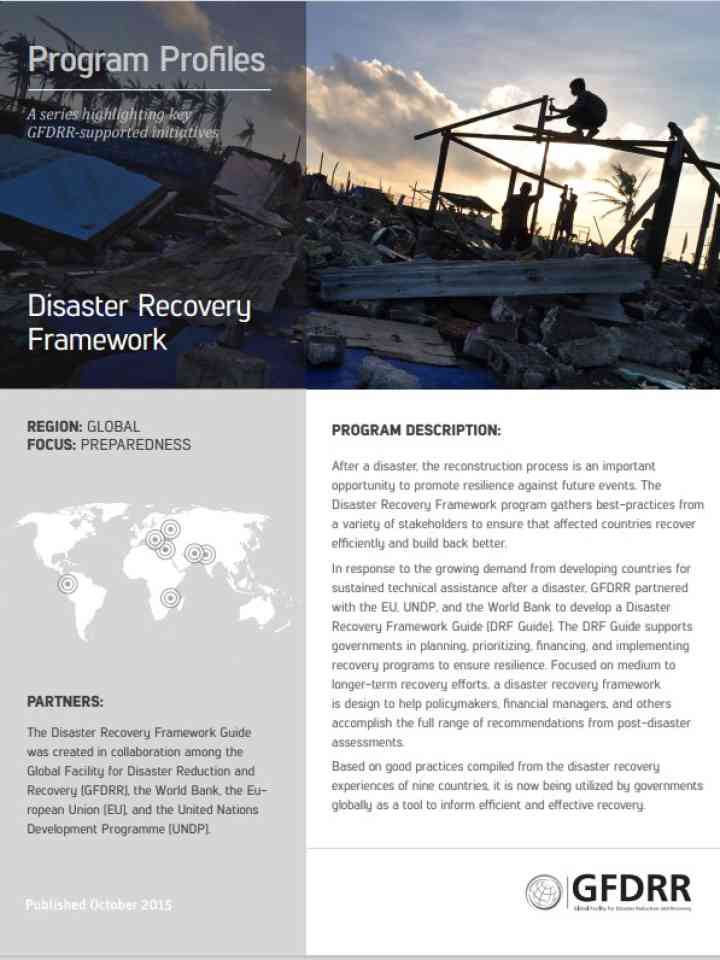
This is an overview of the Disaster Recovery Framework Programme, which collects best practices from various stakeholders to help affected countries recover efficiently and build back better after disasters.
World Bank, the
Global Facility for Disaster Reduction and Recovery, the (GFDRR)
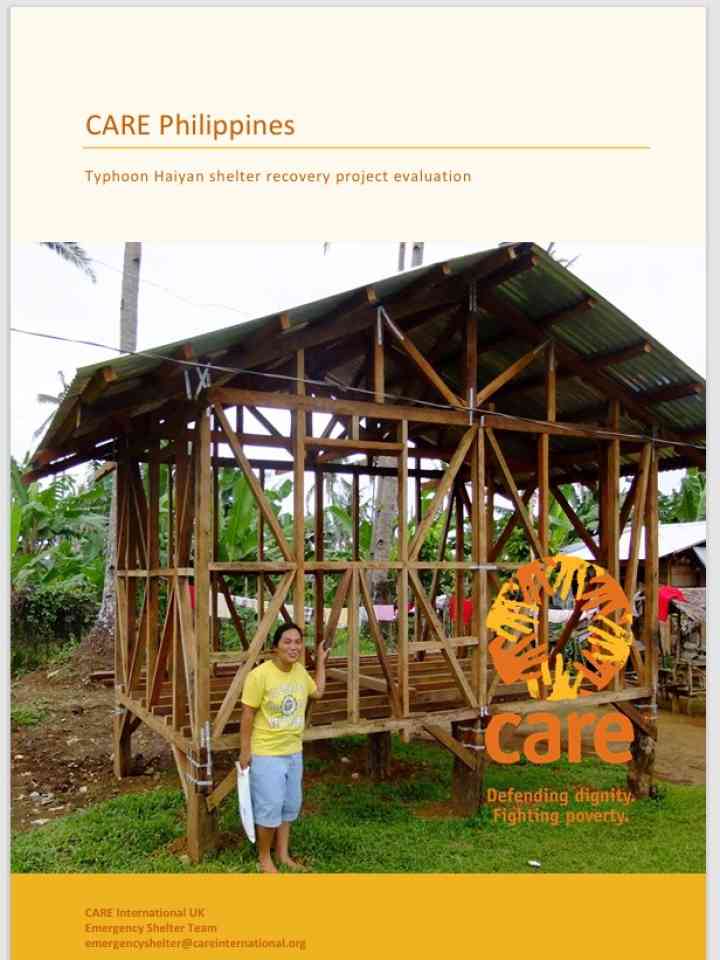
This report presents the findings from CARE's Emergency Shelter Team's internal evaluation of the early recovery shelter programme undertaken by CARE Philippines and its partners.
This brief is part of a series highlighting the World Bank's achievements in disaster risk management initiatives. It presents efforts undertaken by the government of Malawi, with support from GFDRR, the World Bank, the European Union and the UN.
Global Facility for Disaster Reduction and Recovery, the (GFDRR)
This brief is part of a series highlighting the World Bank's achievements in disaster risk management initiatives. It presents efforts undertaken by the government of Vanuatu, with support from GFDRR and the World Bank, to recover after the destructive
Global Facility for Disaster Reduction and Recovery, the (GFDRR)
This short article explains the management process of the recovery and reconstruction utilized by the Tohoku Regional Bureau — an inter-organizational process — from a business process management perspective and creates a simple organization construction diagram of the entire process.
This report summarises the discussions and outcomes from the national debriefing workshop to identify lessons learned following Tropical Cyclone Pam. It reviews key aspects of coordination, including preparation, response and recovery.
This paper considers the successes and challenges of the response to the April 2015 Nepal earthquake so far, and looks at what must be done to ensure that Nepal recovers in a way which makes it more resilient and more equitable.
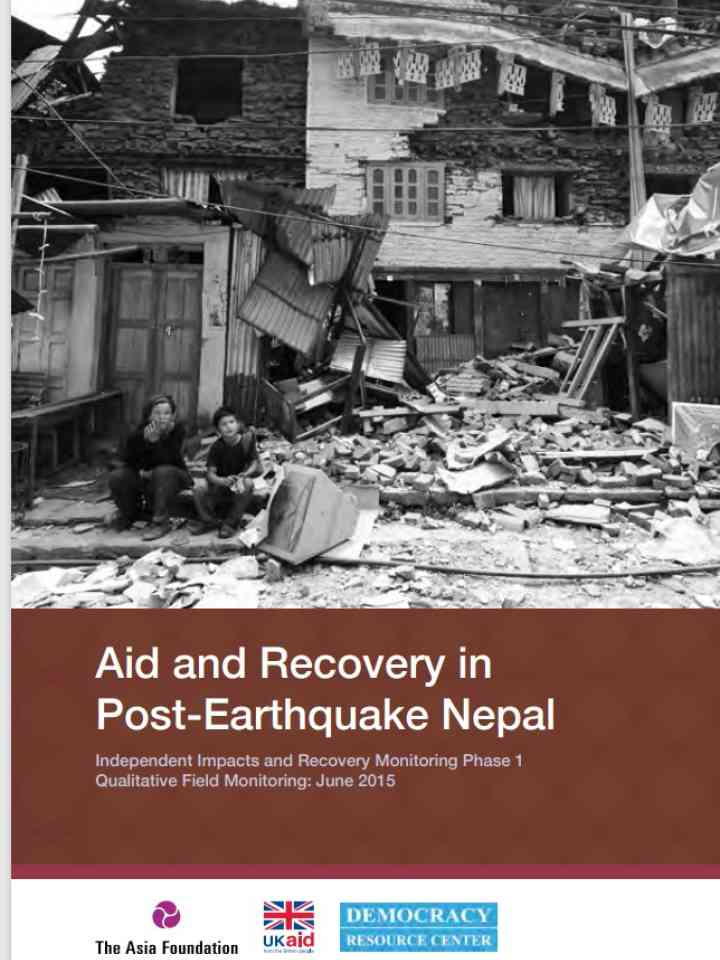
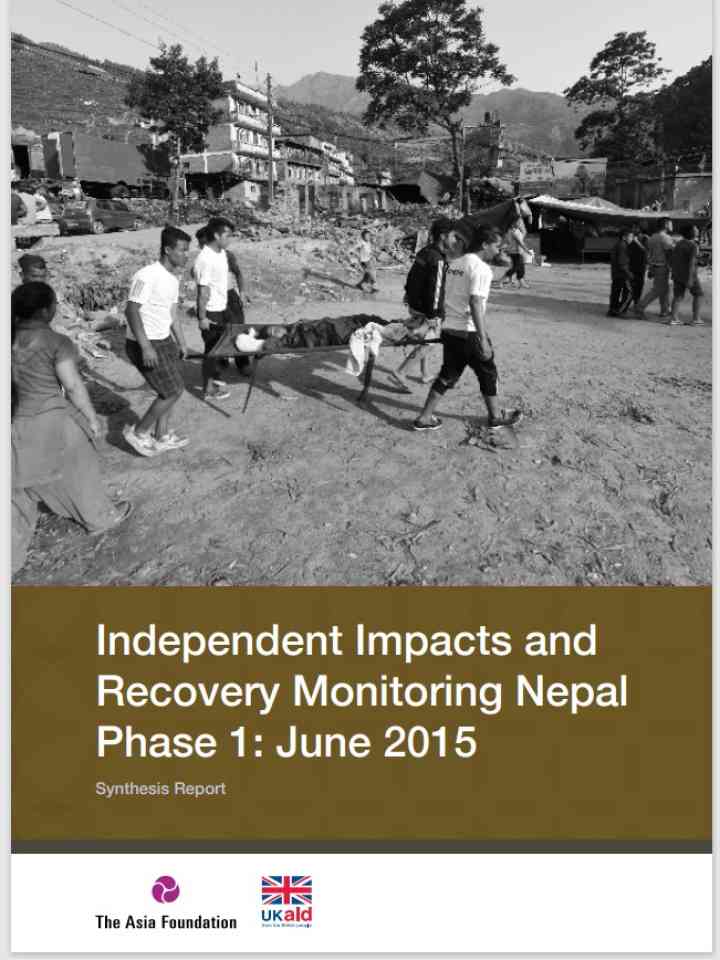
The IRM project contributes by assessing longitudinally five issues—aid delivery and effectiveness; politics and leadership; social relations and conflict; protection and vulnerability; and economy and livelihoods, through two research components.
The IRM project contributes by assessing longitudinally five issues—aid delivery and effectiveness; politics and leadership; social relations and conflict; protection and vulnerability; and economy and livelihoods, through two research components.