This is the fourth edition of IOM annual publications aiming to enhance understanding of natural disasters, sudden natural onset events and slow onset events, and their links to human mobility. It reviews case studies across continents, dealing with both
Southasiadisasters.net issue no. 120, November 2014:
This issue focuses on the need for the post-2015 framework for disaster risk reduction (or HFA2) to provide mechanisms which address the exigencies of urban risks. It highlights policy discourses and
This report presents recommendations on key actions the Federal Government can take to better support state, local, tribal, and territorial leaders working to prepare their communities for the impacts of climate change. These recommendations focus on
This year’s World Disasters Report focuses on culture and risk. It explores the different ways in which culture affects disaster risk reduction and climate change adaptation and how disasters and risk influence culture. It examines why people choose to
International Federation of Red Cross and Red Crescent Societies (IFRC)
An official document formally adopted by UN Member States as the outcome of the Third International Conference on Small Island Developing States, in which countries recognize the need to support and invest in these nations so they can achieve sustainable
United Nations Department of Economic and Social Affairs (UN DESA)
This issue of Southasiadisasters.net is an attempt to deliberate on the important issues related to disaster risk reduction (DRR) in Asia. It contains articles on a variety of DRR issues ranging from Kosi
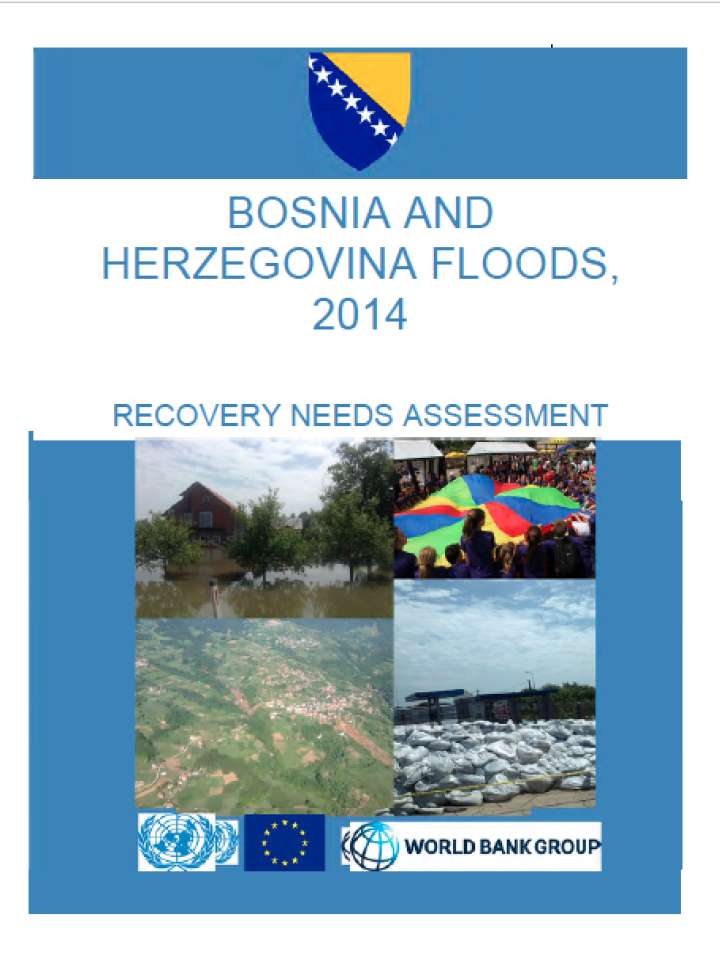
The assessment provides estimates of losses in the aftermath of flooding in Bosnia and Herzegovina, including the loss of production, income, livelihood and employment. It includes guiding principles for disaster risk reduction and sustainable recovery.
Bosnia and Herzegovina - government
Global Facility for Disaster Reduction and Recovery, the (GFDRR)
This paper addresses the vulnerability of Bangladesh to the impacts of climate change and the need to face a challenge of this magnitude through the implementation of effective policies to protect climate displaced persons. It highlights the 18 different
This paper reviews the causes of the "positive but limited impact" of the Hyogo Framework for Action 2005-2015 (HFA), as per BOND Disaster Risk Reduction Working Group, namely: its duration, lack of “ownership” outside the humanitarian sector, the lack of