1. Home
  2. Build Back Better
  3. Themes in Recovery

Recovery Planning

Items: 834
When Academics Become Humanitarians: A Post-Disaster Programme by the State University of Haiti: Summary Report
Documents and publications
Publications

This case study asks to what extent an academic institution can make a useful and valued contribution to post-disaster response.

International Institute for Environment and Development (IIED)
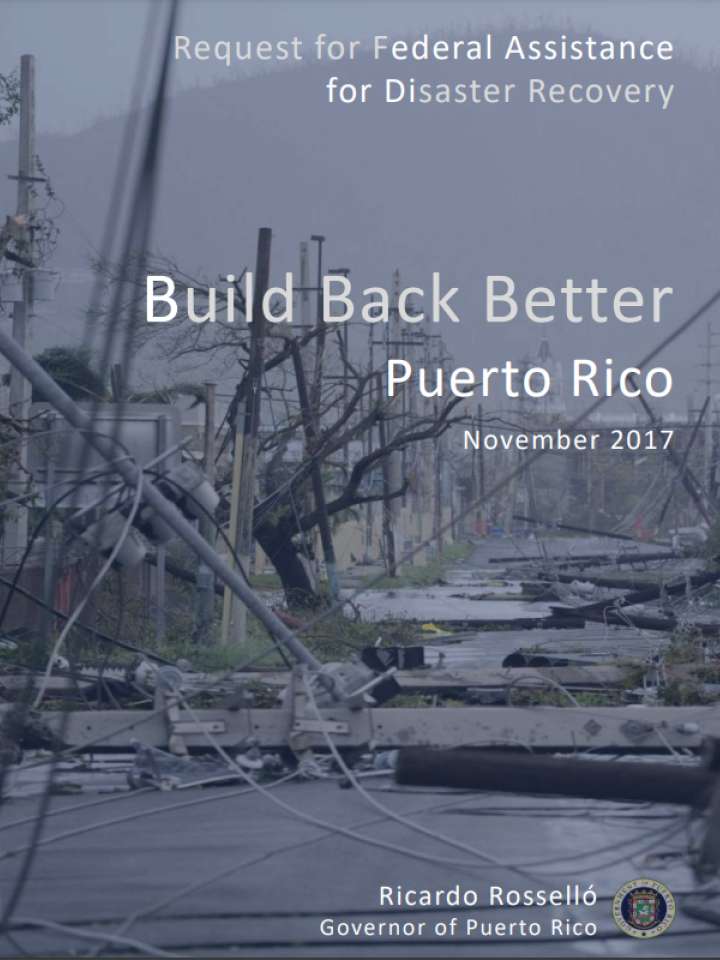
Build Back Better Puerto Rico November 2017
Documents and publications
DRF - Disaster Recovery Frameworks

This document represents an aggregation of the best available disaster damages caused by the 2017 Hurricane Maria in Puerto Rico and is an initial assessment of the cost to rebuild a stronger, more resilient Puerto Rico

Government of Puerto Rico
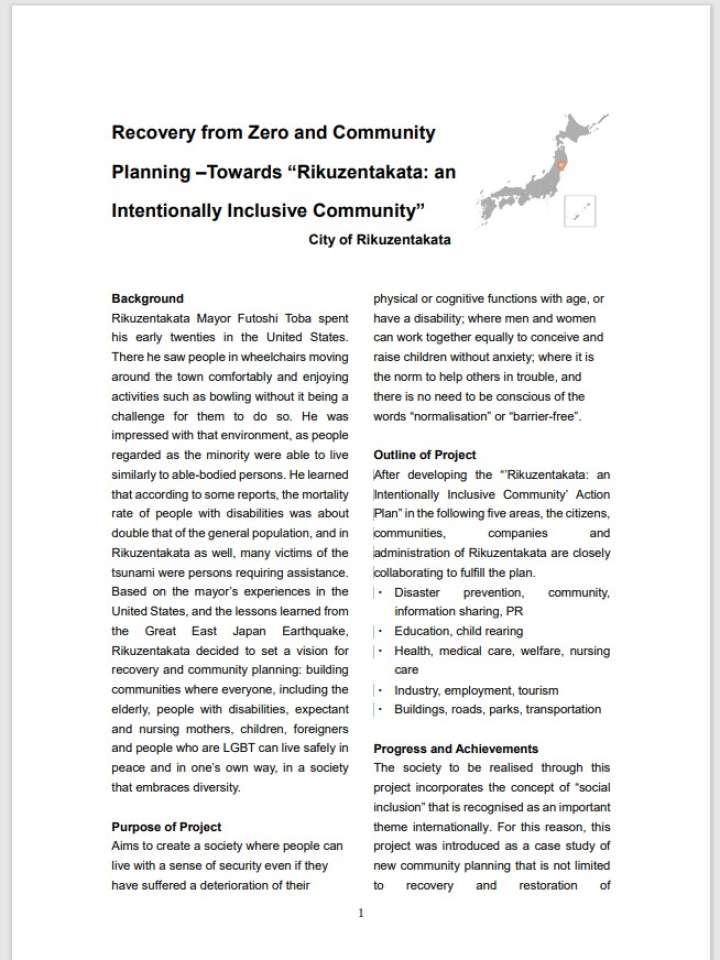
Recovery from Zero and Community Planning –Towards “Rikuzentakata: an Intentionally Inclusive Community
Documents and publications

This document outlines Rikuzentakata city's efforts through its recovery to create an inclusive community to ensure the safety, well-being, and equal opportunities for all residents, including those with disabilities and other minority groups.

陸前高田市(岩手県) Rikuzentakata City
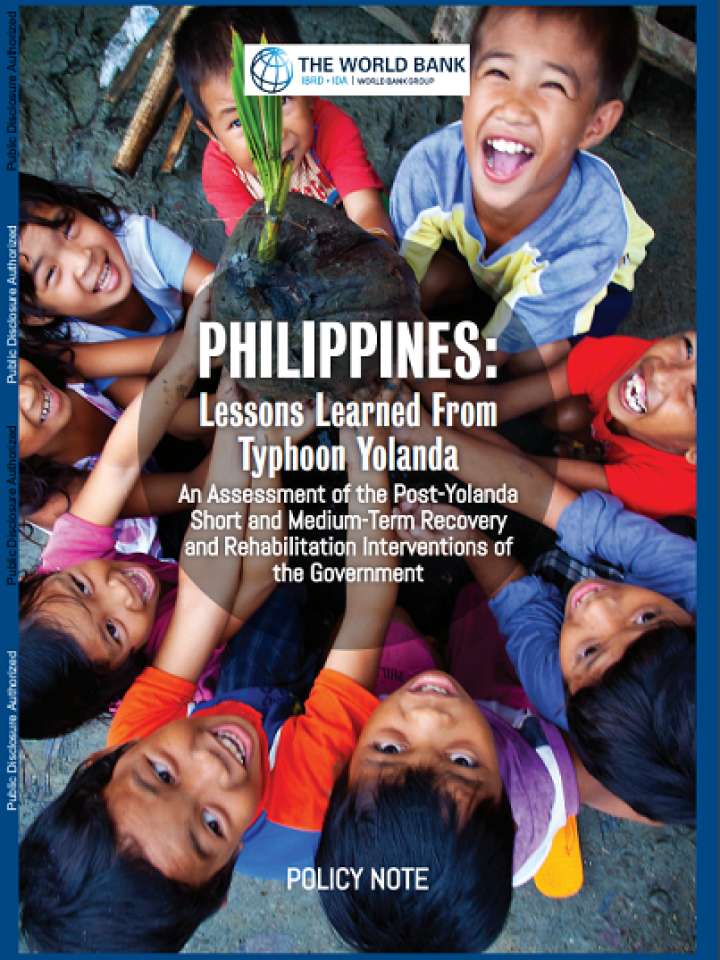
Philippines Lessons Learned from Typhoon Yolanda
Documents and publications
Reports and analysis

This document is an assessment of specific aspects of the Philippines' short and medium-term recovery from the Typhoon Yolanda.

World Bank, the
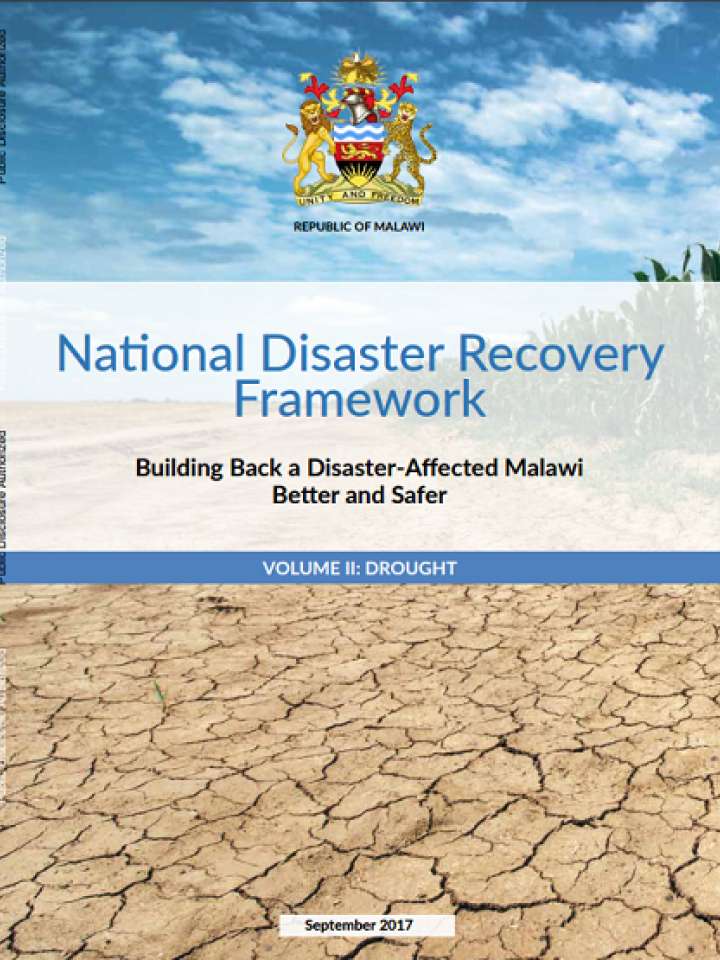
National Disaster Recovery Framework Building Back a Disaster-Affected Malawi Better and Safer Volume II Drought
Documents and publications
DRF - Disaster Recovery Frameworks
Policy type
National policies and plans

Recovery efforts defined within the NDRF are guided by a central vision and goal. An initial vision and goal were determined following the 2015 floods; these have been updated in response to the 2015/16 drought.

Malawi - government
Documents and publications
PDNA - Post Disaster Needs Assessments

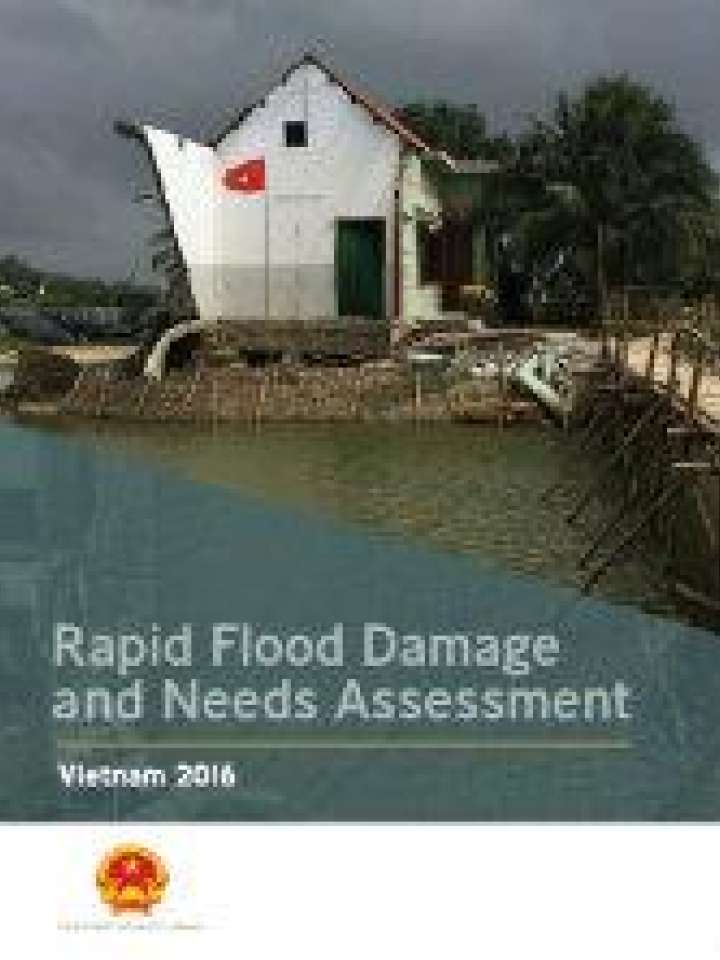
This report assesses the scale of damage of the 2016 floods in Vietnam and lays the groundwork for effective recovery and reconstruction efforts in the five priority provinces of Ha Tinh, Quang Ngai, Binh Dinh, Phu Yen and Ninh Thuan.

Global Facility for Disaster Reduction and Recovery, the (GFDRR)
Viet Nam - government
Documents and publications

The analysis of the health and sanitation aspects of Integrated Flood Management (IFM) carried out in this Tool outlines the main measures to be undertaken to minimize impacts on public health during the whole cycle of flood management (flood planning and preparedness, response, and post-flood relief and recovery).

World Meteorological Organization (WMO)
Global Water Partnership
Associated Programme on Flood Management
Herald vol. 20 -EN
Documents and publications
IRP Herald

IRP Herald Volume 20 reports on five IRP-supported sessions at the Third World Reconstruction Conference (WRC3).

International Recovery Platform
Documents and publications

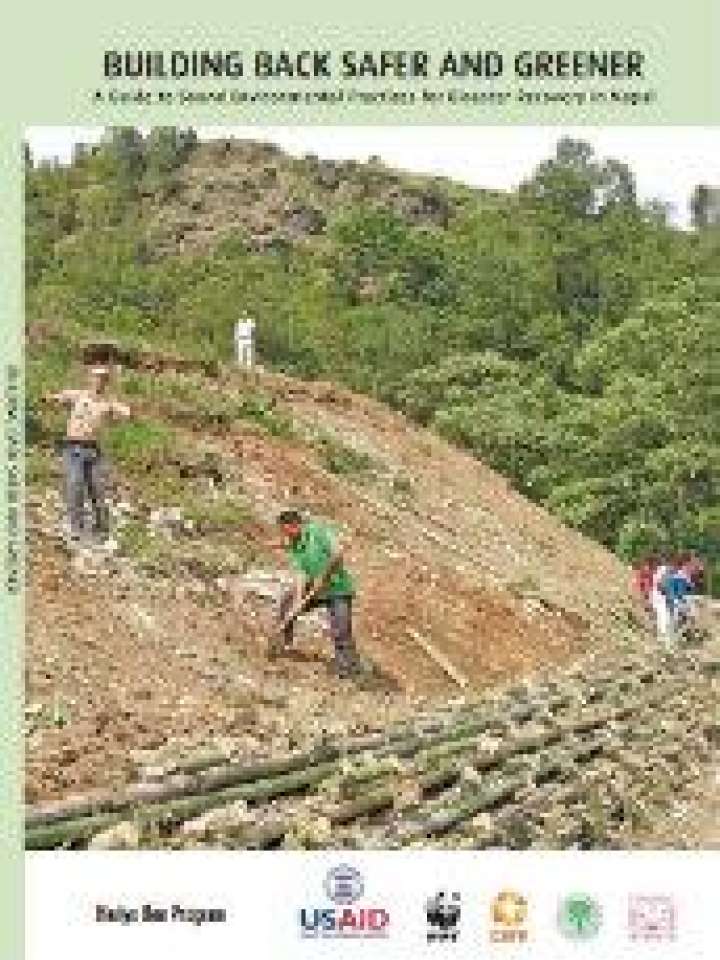
This guide outlines ways in which adverse environmental impacts can be avoided after disasters, and good practices can be promoted. It covers sectors including settlements and land use planning; building construction; waste management; energy; infrastructure; water, sanitation and hygiene; agriculture and livelihoods; and education. It highlights the importance of flood risk management, landslide prevention and treatment, and management of forests after disasters.
World Wide Fund For Nature
Documents and publications

This Rapid Assessment for Resilient Recovery and Reconstruction Planning report is the result of an exercise initiated by the Royal Thai Government to assess the economic and social impact of the 2011 floods and prepare recovery and reconstruction plans. Twenty-six of the country’s 66 affected provinces were included in the assessment, which examines 18 main sectors and used a comprehensive and internationally established methodology looking at damage and losses caused by the disaster. The report determines the country’s needs for post-disaster recovery and reconstruction and proposes short-, medium-, and long-term measures in each of the 18 sectors for a sustainable post-disaster reconstruction program. Drawing on global good practices for disaster risk management and building-back-better strategies, the report also gives suggestions on how to improve the resilience of the country’s infrastructure and its communities to the impacts of disasters.

World Bank, the
Global Facility for Disaster Reduction and Recovery, the (GFDRR)