This working document presents key considerations to ensure gender equality and women empowerment principles inform the transition process and reconstruction planning after the 2015 Nepal earthquake.
United Nations Office for the Coordination of Humanitarian Affairs
United Nations Entity for Gender Equality and the Empowerment of Women (UN WOMEN)
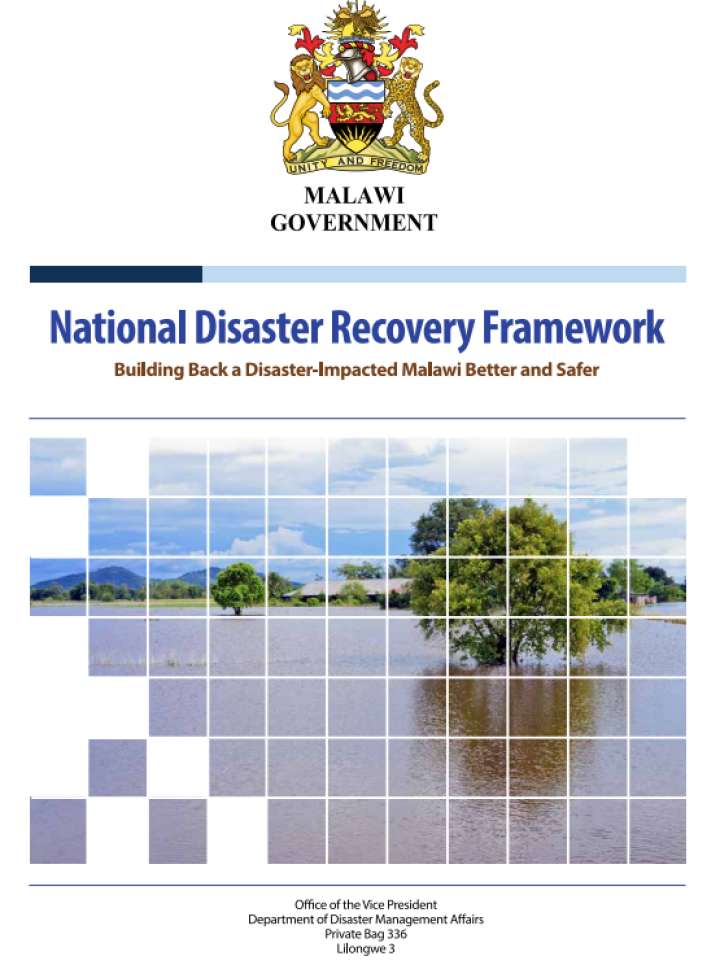
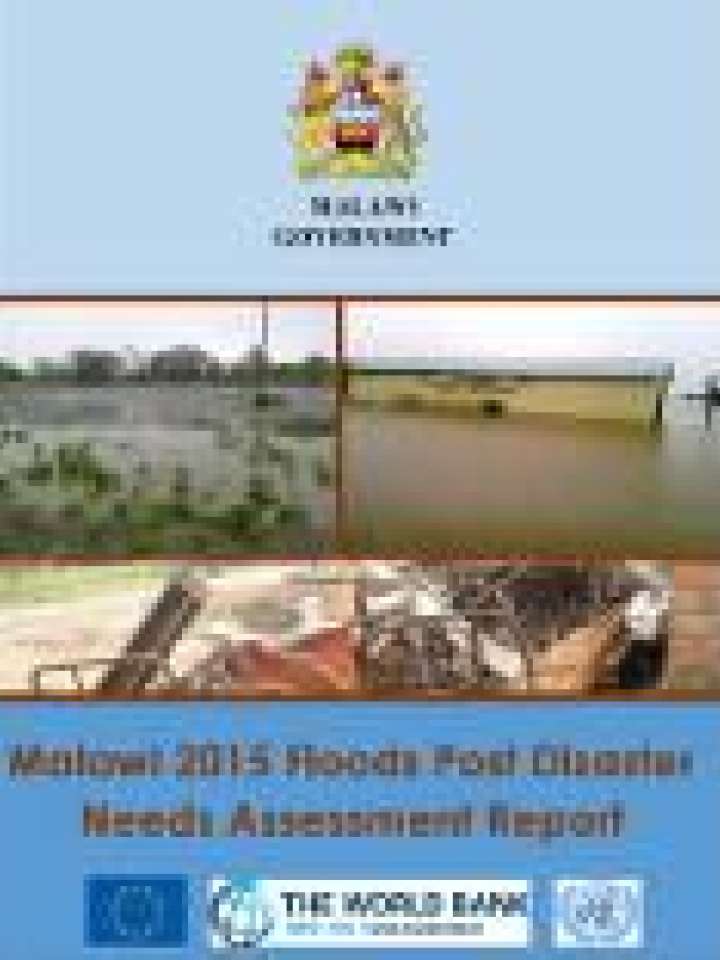
This Post Disaster Needs Assessment (PDNA) is conducted by the Government of Malawi with technical and financial support from the European Union (EU), the United Nations (UN) and the World Bank (WB) following the floods in 2015.
This working paper aims to complement the post disaster needs assessment of the Government of Nepal by providing insights into the livelihood dimensions of the earthquake and its socioeconomic and livelihood impacts.
International Centre for Integrated Mountain Development (ICIMOD)
The PDNA report indicates that the Malawi 2015 floods affected 1,101,364 people, displaced 230,000 and killed 106 people. The assessment focuses on medium to long term reconstruction and provides the guiding principles for recovery.
Malawi - government
Global Facility for Disaster Reduction and Recovery, the (GFDRR)
This Framework guides recovery activities both pre-event and post-event and describes the potential roles and responsibilities of City agencies, as well as community players, in recovering Seattle to a fully functioning state following a disaster.
This edition of Asian Disaster Management News focuses on disaster recovery: the governance, economics, and social impacts. It includes features on i) recovery planning, ii) the needs of survivors in post-disaster needs assessments, iii) defining the post-disaster financial requirements for recovery, iv) measuring the social impacts of a disaster and in-depth analysis of the disaster’s impact on food security, poverty, health, and livelihoods, v) building institutional capacity for assessment and recovery, vi) resilient recovery, vii) risk insurance.
The report presents a comprehensive post disaster needs assessment exercise, launched with response and relief efforts at the request of the Government of Nepal, with the objective to estimate damages and losses caused by the earthquake.
Nepal - government
Global Facility for Disaster Reduction and Recovery, the (GFDRR)
This brochure is part of a series highlighting the World Bank's achievements in disaster risk management initiatives. It reports on the Joint Rapid Damage Needs Assessment (JRDNA) conducted immediately in the aftermath of the 2013 monsoons, which triggered the collapse of a glacial lake dam and causing heavy flooding and landslides that claimed upwards of 4,000 lives and affected nearly a million people. This brochure describes the approach taken in recovering from these events and offers lessons learned.
World Bank, the
Global Facility for Disaster Reduction and Recovery, the (GFDRR)
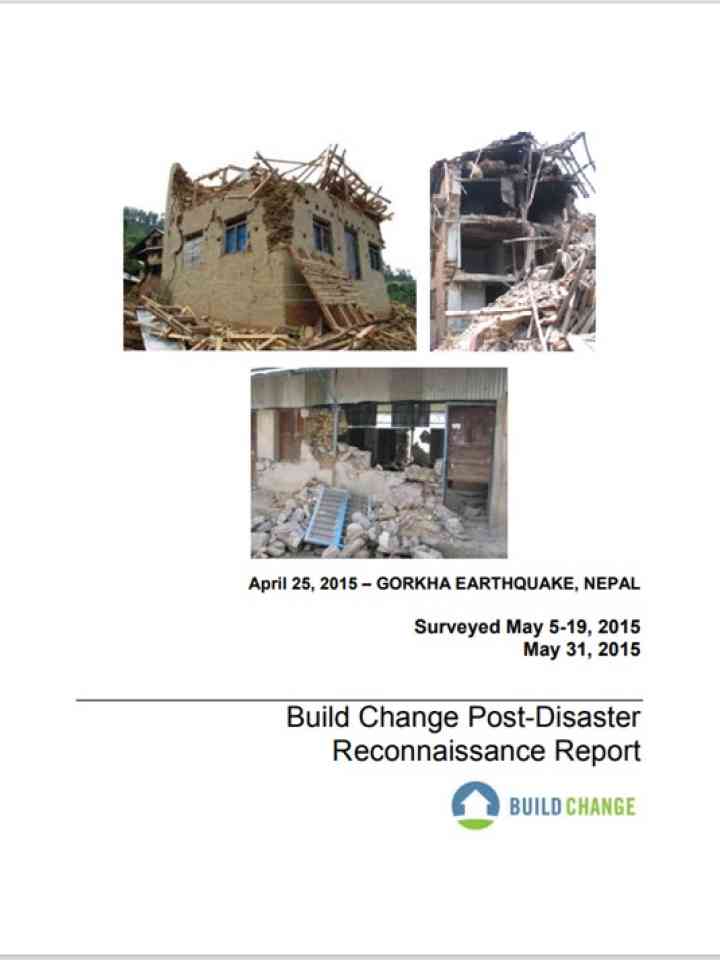
This reconnaissance report seeks to assess the damage, learn about building structures and materials, and provide advice after the earthquake in Nepal.