Navigation failed to load. If you are on the UNDRR office network, your browser may be blocking access to external resources. Learn how to allow access.
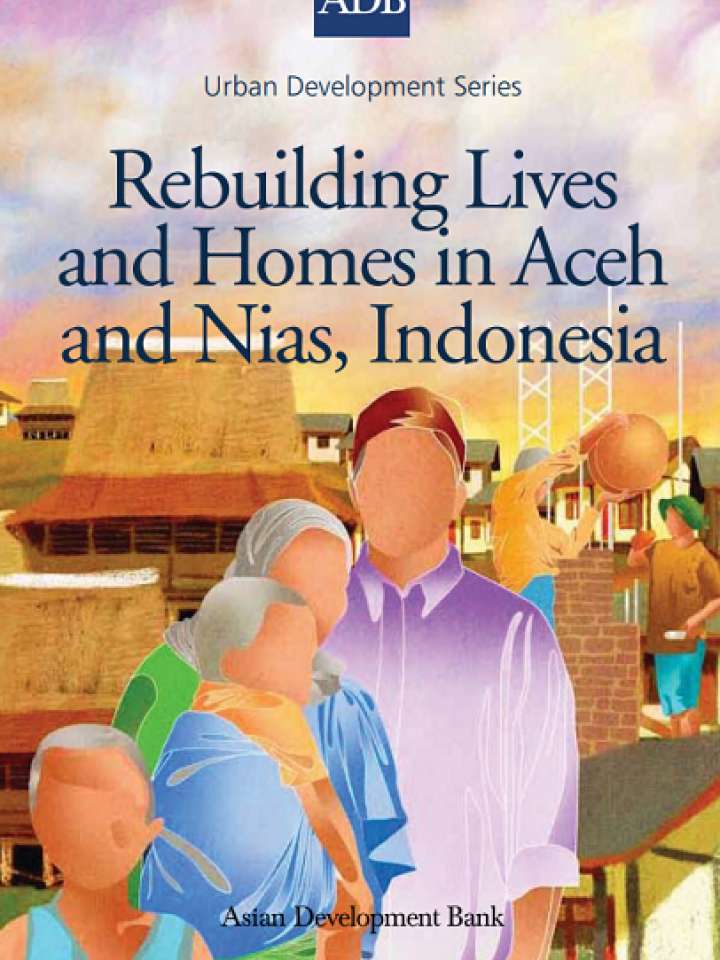
This document presents the experience and lessons learned from the implementation of the Earthquake and Tsunami Emergency Support Project (ETESP) housing program carried out by the Asian Development Bank in Indonesia.
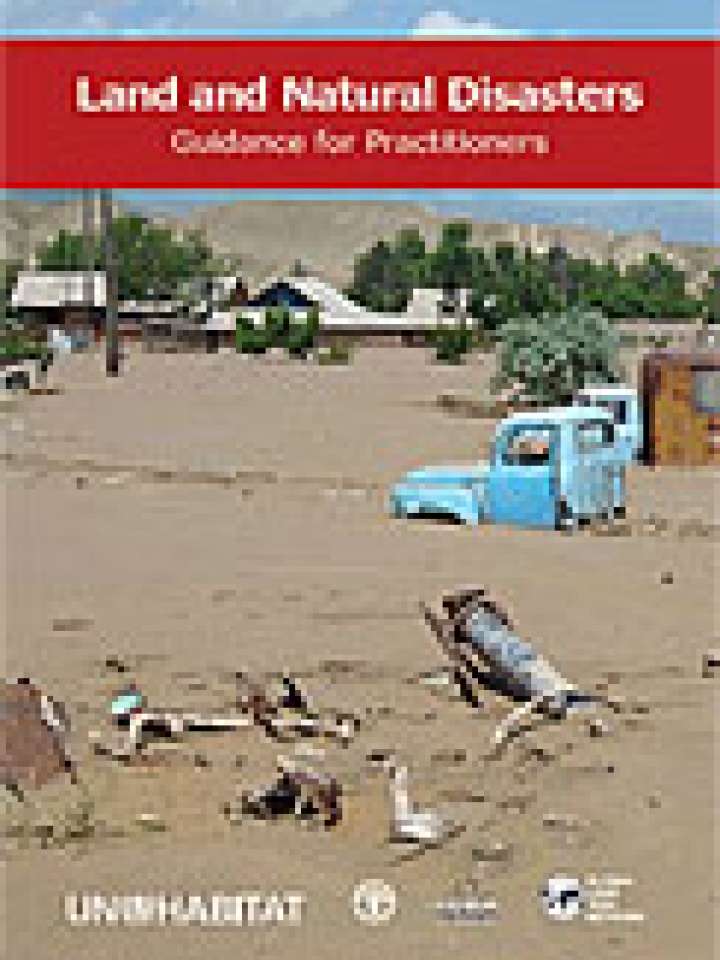
These guidelines provide a holistic approach to addressing land issues from the immediate aftermath of a natural disaster through early recovery and reconstruction phases.
United Nations Human Settlements Programme (UN-HABITAT)
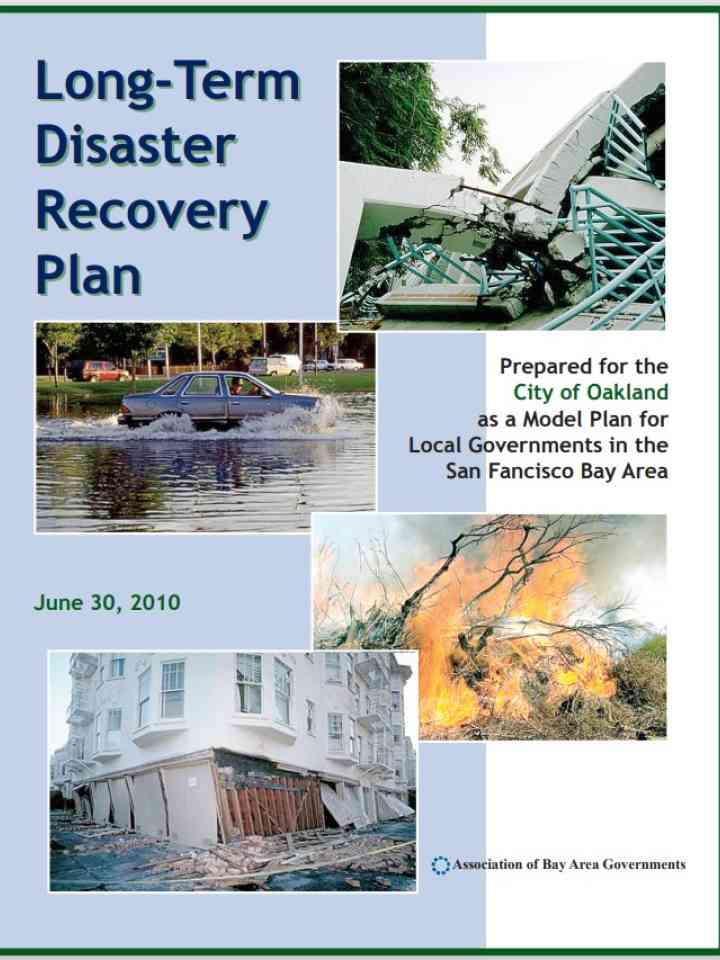
The purpose of this Long-Term Disaster Recovery Plan is to develop a model action plan for the City of Oakland, as well as to identify the components of this type of plan for the cities and counties of the San Francisco Bay Area.
This guideline illustrates how to derive financial needs for recovery and reconstruction, following a sector by sector damage and loss assessment. It also explains how to formulate a calendar of investments and identify distribution channels for funding.
World Bank, the
Global Facility for Disaster Reduction and Recovery, the (GFDRR)
Volume 2 guides the sectoral assessment team through the steps of conducting a Damage and Loss Assessment (DaLA). It describes simplified procedures for estimating the value of destroyed physical assets and changes or losses in the flows in the economy.
World Bank, the
Global Facility for Disaster Reduction and Recovery, the (GFDRR)
This guideline supports World Bank Task Team Leaders (TTLs) with the design and execution of assessments to determine disaster impacts and post-disaster needs for recovery, reconstruction and disaster risk reduction.
World Bank, the
Global Facility for Disaster Reduction and Recovery, the (GFDRR)
This document mainstreams the methodology for disaster damage and loss assessment (DaLA), providing material for training programs to build capacity for damage and loss assessments at national, regional and local levels as well as for critical sectors.
World Bank, the
Global Facility for Disaster Reduction and Recovery, the (GFDRR)
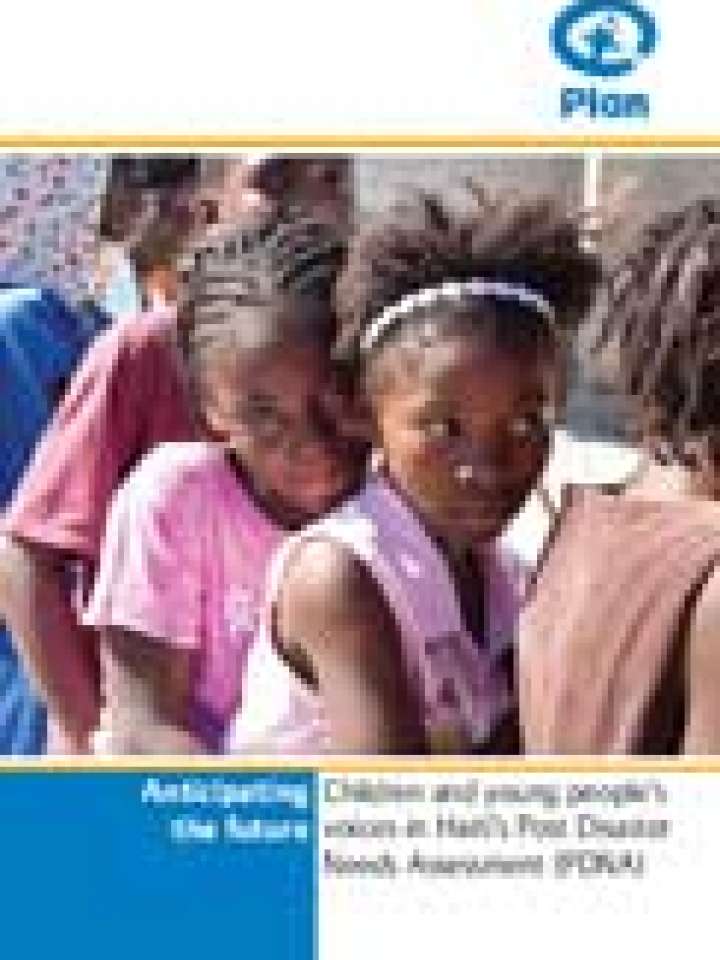
This document presents key findings from consultations with the children and youth undertook to hear their ideas and priorities for the country’s reconstruction as they are among the most vulnerable groups affected by the disaster.