This study focuses on the 2006 landslide tragedy in the Philippines, where an entire community, including its people, its productive assets, and its socio-cultural resources, was totally buried. It reports on the various levels of recovery that have been achieved among the provision of community services and facilities such as health, education, recreation, infrastructure, livelihood opportunities and psychosocial services; and identifies the limitations of the principle of "build back better" as well as those areas of concern in which the principle can best be applied.
This document is the final report of the Commission of Inquiry into the Queensland floods of 2010/2011, established following the flooding of historic proportions in Queensland in December 2010, stretching into January 2011. It embodies both likelihood of
This special issue of the quarterly ERRA newsletter focuses on the major earthquake that struck northern Pakistan on October 8, 2005. It describes the response to the disaster, followed by the establishment of the Earthquake Reconstruction and
Earthquake Reconstruction and Rehabilitation Authority
En el boletín de Salud Pública y Gestión del Riesgo del CRID de enero podrá consultar sobre el nuevo portal en francés para Haití sobre emergencias y desastres, información sobre la sistematización y lecciones aprendidas del proyecto de OPS
Regional Disaster Information Center Latin America and the Caribbean
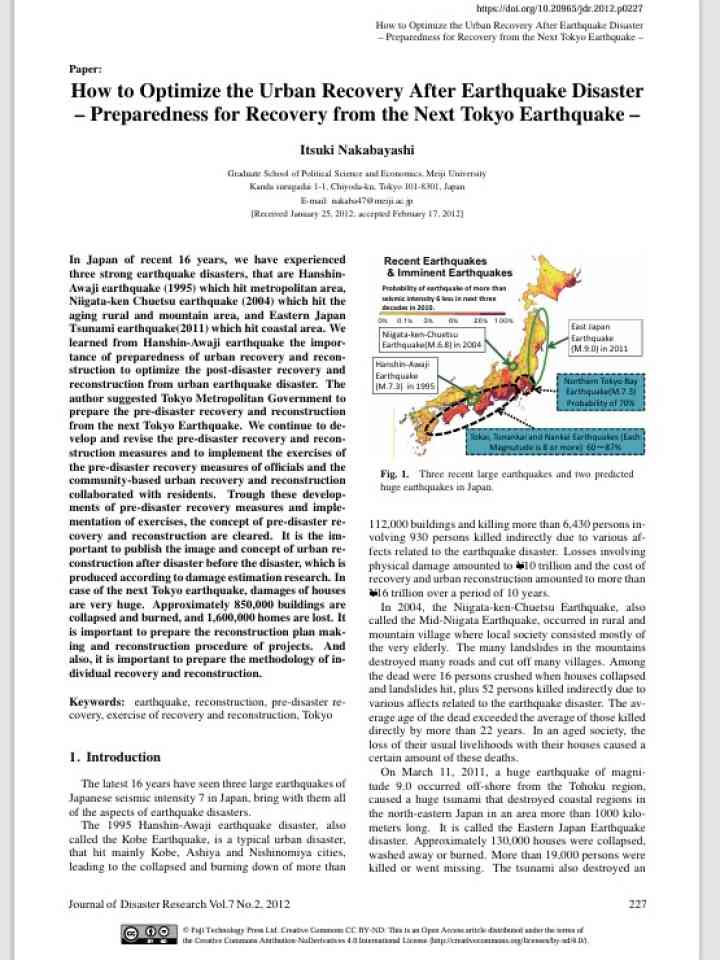
The author suggested Tokyo Metropolitan Government to prepare the pre-disaster recovery and reconstruction from the next Tokyo Earthquake. It is important to prepare the reconstruction plan making and reconstruction procedure of projects.
These proceedings outline the outcomes and conclusions of the regional workshop addressing disaster risk reduction and climate change adaptation, inlcuding: panel discussions on a) Governability and development planning, b) Risk reduction measures and
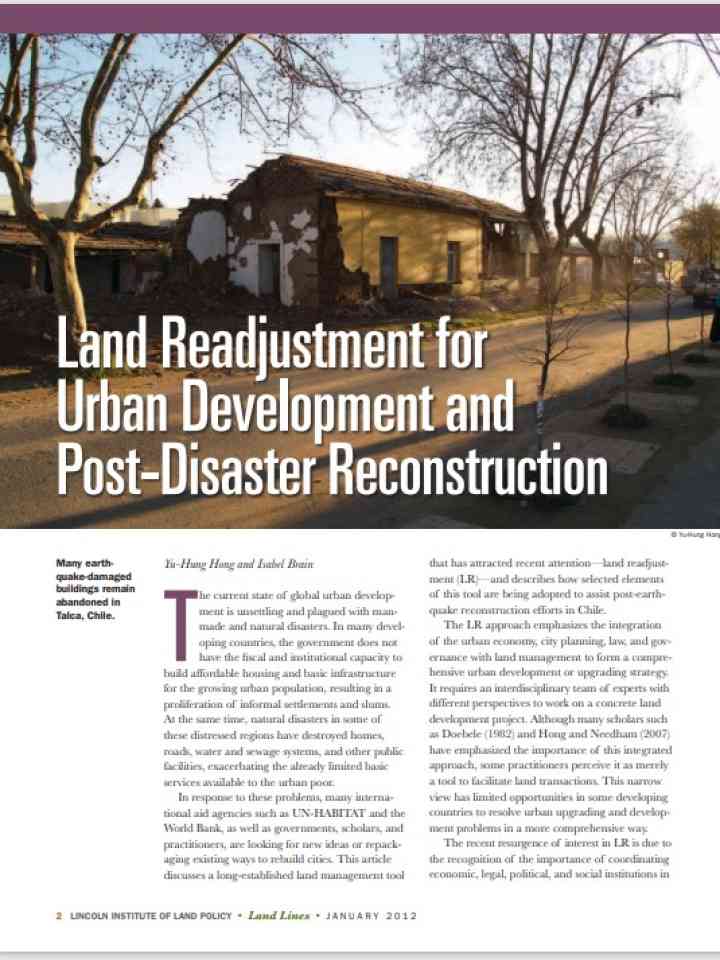
This article discusses a long-established land management tool that has attracted recent attention-land readjustment (LR)-and describes how selected elements of this tool are being adopted to assist post-earthquake reconstruction efforts in Chile.
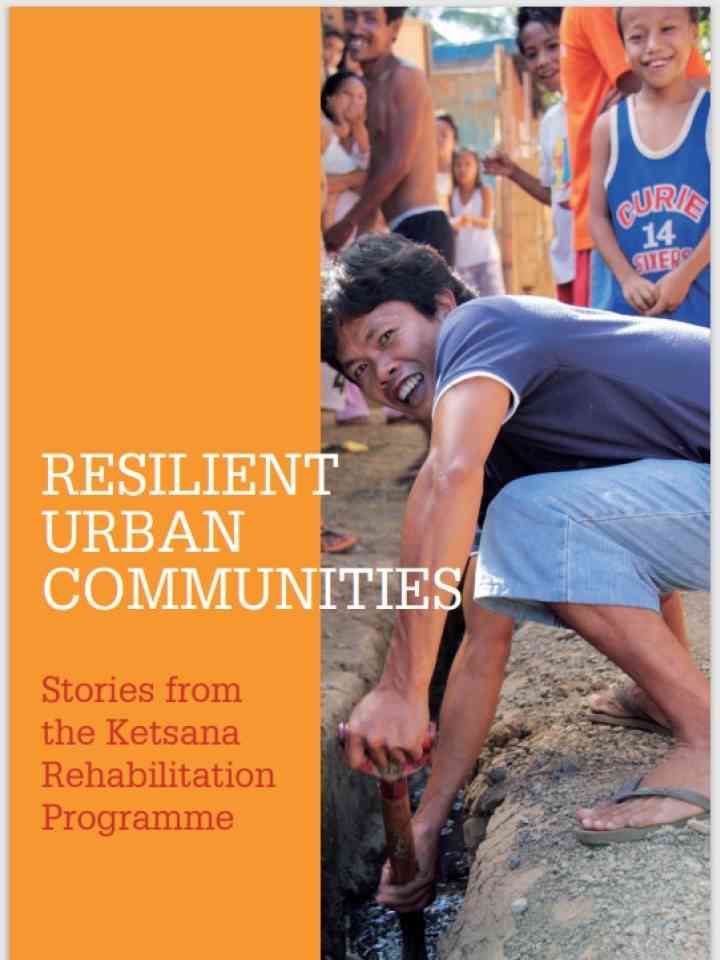
The Ketsana Rehabilitation Programme sought to “enable urban poor communities seriously affected by Typhoon Ketsana to recover from their loss and strengthen their capacities to sustain their lives and livelihoods.”
Two years after the earthquake in Haiti, this recommends for advancing the issue that nearly 500,000 internally displaced persons by increasing capacity in the land tenure system, and the modernization of the cadastral map and titling system.